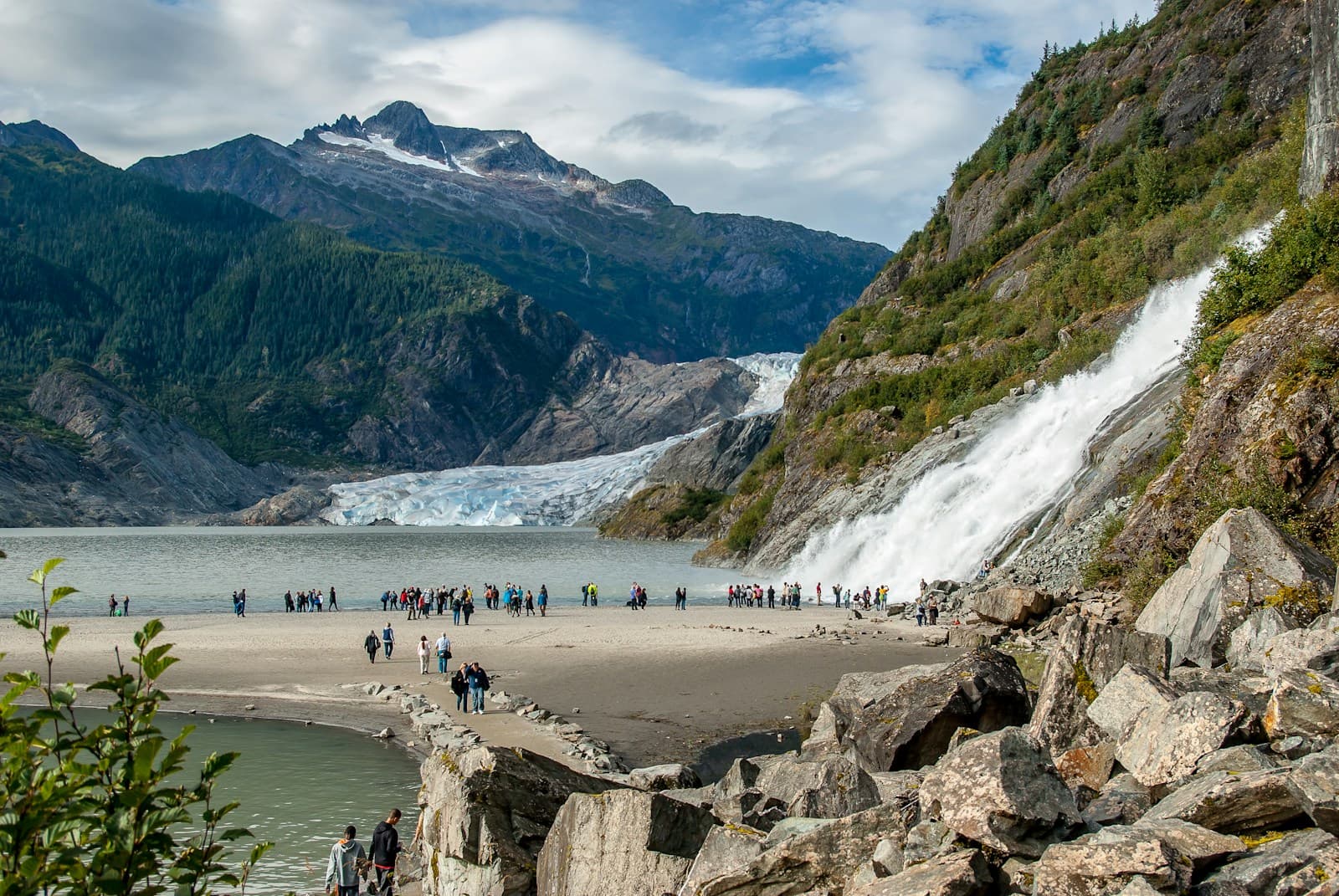
What Affects Rates in Juneau
- Ferry-Dependent Island Market: Juneau has no road connection to the continental highway system, creating a concentrated carrier market. Post-SR22 drivers typically have 4–6 competing carriers willing to write standard policies, compared to 10+ in Anchorage. Limited competition means shopping every 6 months during your first two years post-filing is essential to find rate reductions.
- Winter Driving Conditions and Claims Frequency: Ice and snow from October through April increase accident frequency citywide. Carriers weigh recent winter claims heavily when evaluating post-SR22 drivers—maintaining a clean record through two full winters after your filing ends can accelerate your return to preferred rates by 6–12 months.
- Uninsured Driver Concentration: Alaska's uninsured motorist rate typically runs 15–18%, higher than the national average of 13%. For post-SR22 drivers rebuilding coverage, uninsured motorist protection is both affordable and critical—it protects your rate recovery timeline if you're hit by an uninsured driver and prevents a gap-related surcharge.
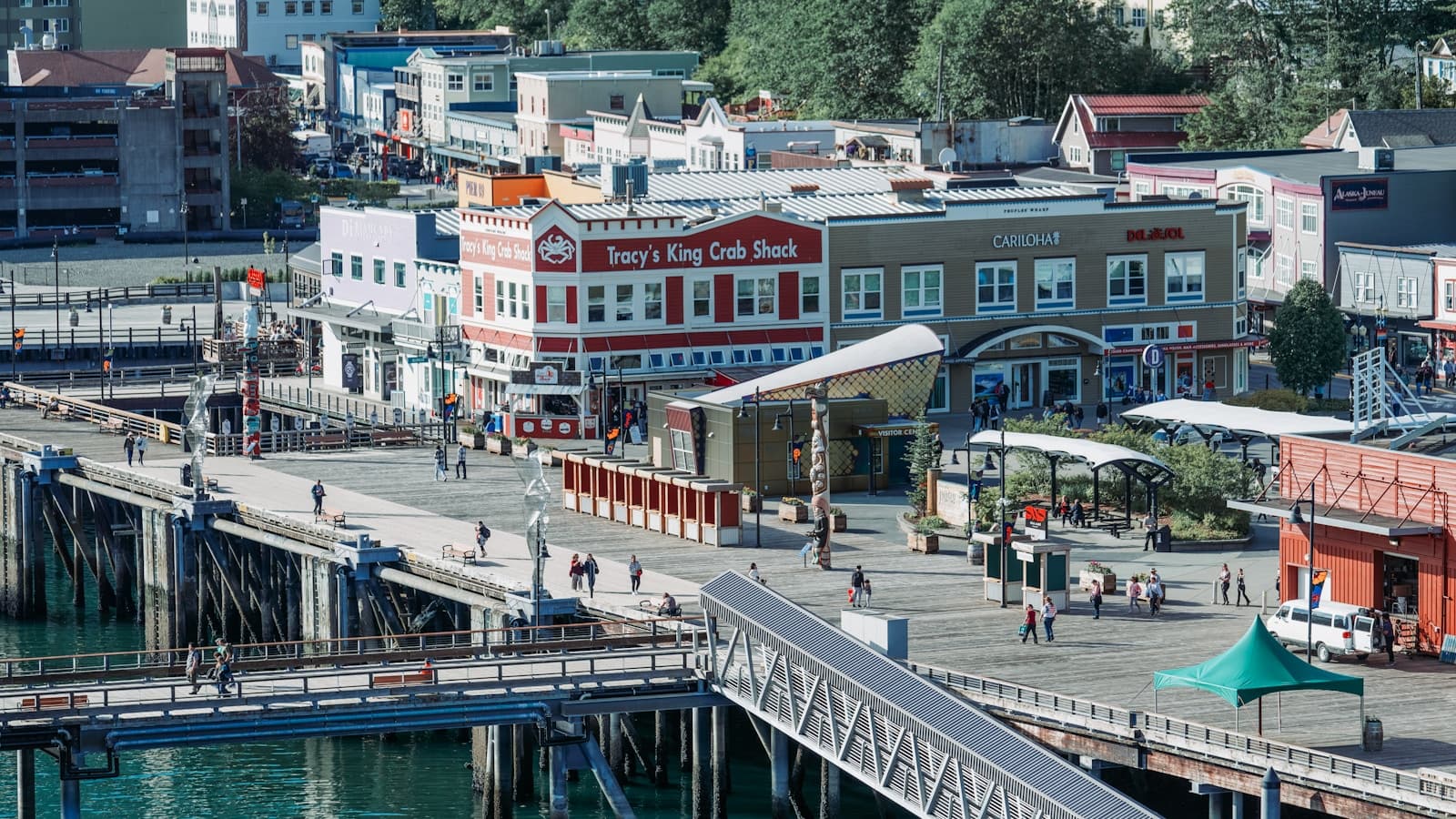
- Downtown Parking and Theft Risk: Downtown Juneau and areas near the cruise ship docks see elevated vehicle break-in rates during the May–September tourism season. Comprehensive coverage costs $15–$30/mo more for post-SR22 drivers than clean-record drivers, but filing a theft claim during your first 24 months post-SR22 can delay your transition to preferred rates by 12–18 months.
- Alaska Division of Motor Vehicles Notification Process: When your 3-year SR-22 period ends, your insurer notifies the Alaska DMV electronically—you do not need to file a separate termination form. However, the SR-22 conviction remains on your MVR for 5 years from the conviction date. Carriers review your full MVR when you shop, so expect the best rates 5 years post-conviction when the incident no longer appears.
Find out exactly how long SR-22 is required in your state
Coverage Recommendations
Cost estimates are based on available industry data and vary by driver profile. These are not insurance quotes.
Liability Insurance
Alaska requires 50/100/25 minimum limits, but post-SR22 drivers shopping for standard coverage should quote 100/300/100 to access better carrier options. Regional specialists in Juneau often offer 10–15% lower premiums at higher limits than at state minimums because they correlate higher limits with lower claim frequency.
$60–$120/mo for 100/300/100Estimated range only. Not a quote.
Uninsured Motorist Coverage
With 15–18% of Alaska drivers uninsured, this coverage protects your rate recovery timeline if you're hit by an uninsured driver. For post-SR22 drivers in Juneau, uninsured motorist coverage at 100/300 limits typically adds $20–$35/mo and prevents a gap-related surcharge if the at-fault driver has no insurance.
$20–$35/mo for 100/300 limitsEstimated range only. Not a quote.
Comprehensive Coverage
Covers theft, vandalism, and weather damage common in downtown Juneau and tourist-heavy areas. Post-SR22 drivers rebuilding full coverage pay $40–$75/mo depending on vehicle value and deductible choice. A $500 deductible balances premium cost with out-of-pocket risk better than $250 or $1,000 for most drivers in their first 24 months post-filing.
$40–$75/mo with $500 deductibleEstimated range only. Not a quote.
Full Coverage
Combines liability, comprehensive, and collision. Post-SR22 drivers in Juneau transitioning to standard carriers pay $130–$240/mo for full coverage in the first 12 months after their filing ends—30–50% less than during the SR-22 period. Rates continue dropping 10–15% annually for 3–5 years if you maintain a clean record.
$130–$240/mo first year post-SR22Estimated range only. Not a quote.