What Affects Rates in Anchorage
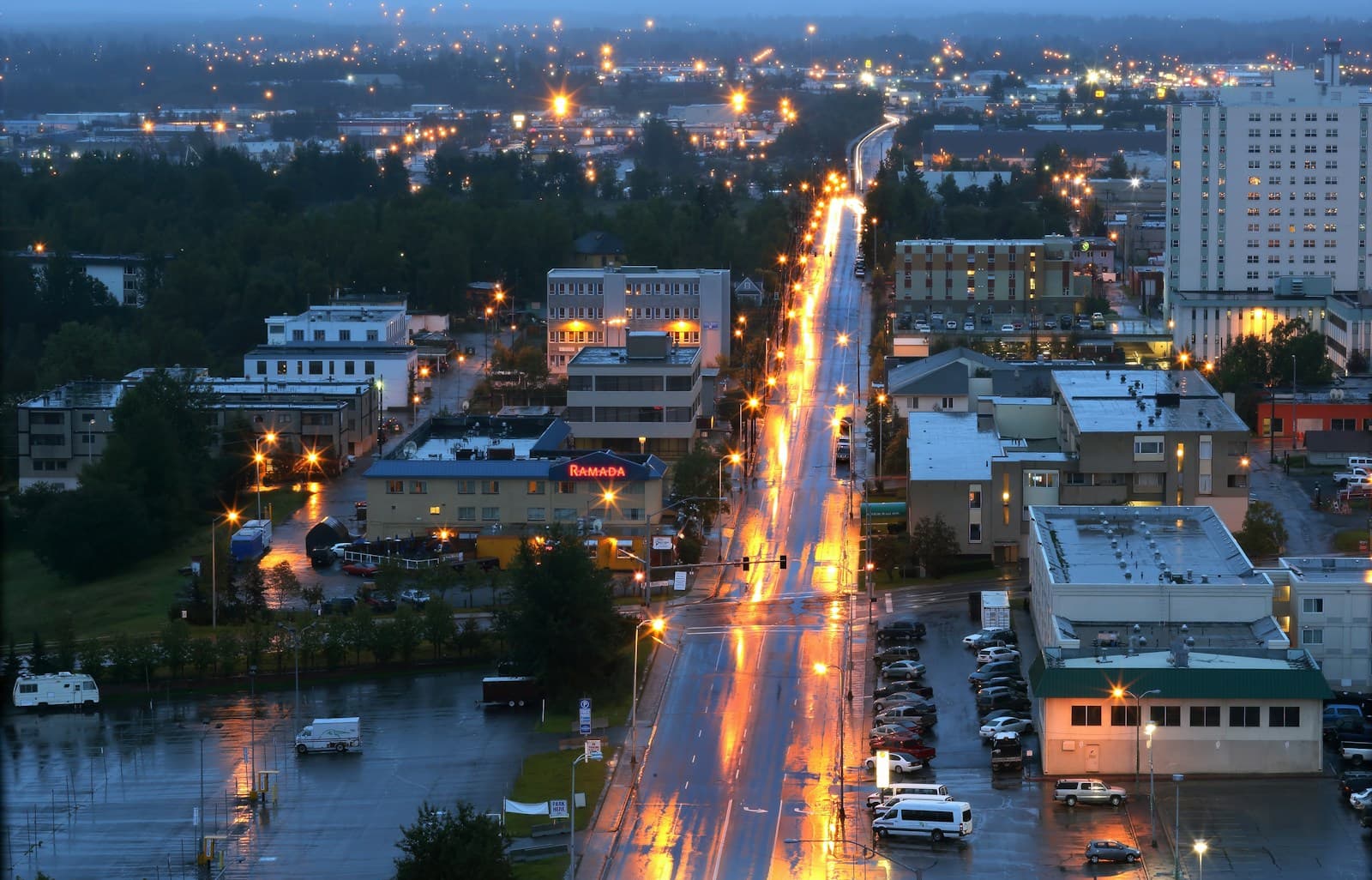
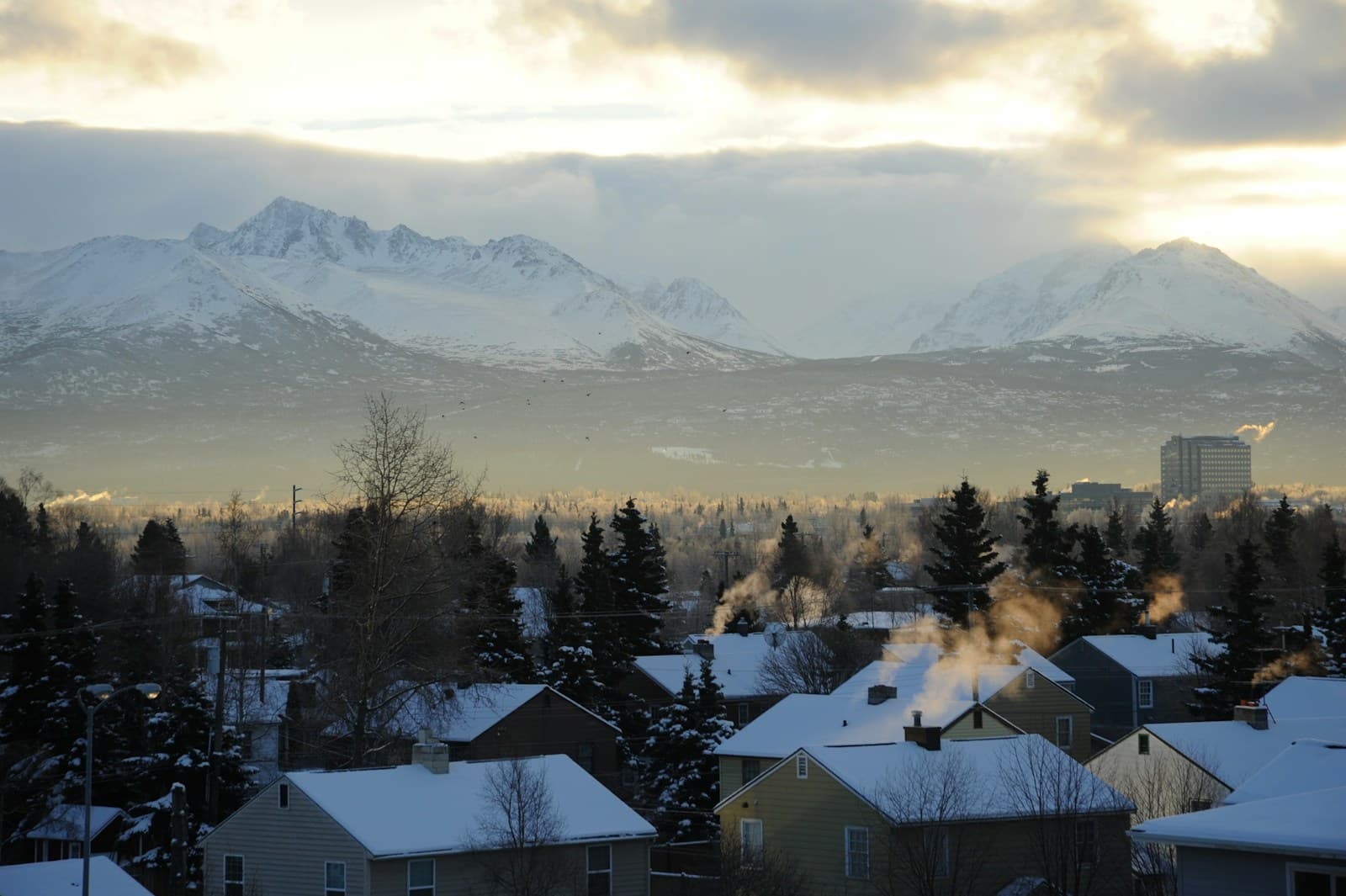
- Extended Winter Driving Season: Anchorage experiences snow and ice from October through April, increasing accident frequency and comprehensive claims for drivers with recent violations. Insurers apply seasonal risk multipliers to high-risk profiles, particularly for drivers with prior at-fault winter accidents.
- Limited Carrier Competition: Anchorage's insurance market includes fewer standard and non-standard carriers than Lower 48 metro areas, reducing competition for post-SR-22 drivers. Expect 3–5 viable quotes rather than 8–10, with regional carriers like Alaska USA and national non-standard writers dominating the high-risk space.
- High Uninsured Motorist Exposure: Alaska's uninsured driver rate hovers near 14%, above the national average of 12.6%. For drivers exiting SR-22, uninsured/underinsured motorist coverage is priced higher in Anchorage due to elevated collision risk with non-compliant drivers, especially in higher-density areas like Muldoon and Mountain View.
- Moose and Wildlife Collision Risk: Anchorage reports hundreds of moose-vehicle collisions annually, with concentrations along major corridors like the Glenn Highway and Lake Otis Parkway. Comprehensive coverage costs 15–25% more for post-SR-22 drivers due to combined wildlife and violation history risk modeling.
- Remote Repair and Medical Costs: Parts, labor, and medical care in Anchorage cost 20–30% more than national averages due to logistics and limited provider networks. Liability and collision coverage premiums reflect these elevated claim payouts, particularly impacting drivers with recent at-fault accidents.
Find out exactly how long SR-22 is required in your state
Coverage Recommendations
Cost estimates are based on available industry data and vary by driver profile. These are not insurance quotes.
Liability Insurance
Alaska requires 50/100/25 minimums, but post-SR-22 drivers in Anchorage should carry 100/300/100 to protect against Alaska's high medical and repair costs. Once your SR-22 filing ends, liability premiums typically drop 30–40% as you transition from non-standard to standard carrier tiers.
$80–$140/mo post-SR-22Estimated range only. Not a quote.
Uninsured Motorist Coverage
With 14% of Alaska drivers uninsured, UM/UIM coverage is critical in Anchorage, especially on high-traffic routes like the Seward Highway and Glenn Highway. Carriers price this 10–20% higher for drivers exiting SR-22 due to layered risk exposure, but gaps here leave you personally liable for injuries if hit by an uninsured driver.
$25–$50/mo additionalEstimated range only. Not a quote.
Comprehensive Coverage
Comprehensive covers non-collision events like moose strikes, vandalism, and winter storm damage — all frequent in Anchorage. Post-SR-22 drivers pay elevated comprehensive premiums for 12–24 months, but this coverage is essential given Anchorage's 200+ annual moose collisions and high theft rates in neighborhoods like Fairview.
$60–$110/mo post-SR-22Estimated range only. Not a quote.
Full Coverage
Full coverage (liability + collision + comprehensive) in Anchorage runs $180–$280/mo in the first year after SR-22 removal, compared to $250–$450/mo during the filing period. Expect gradual decreases each policy renewal as your violation ages, with clean-record rates returning after 5–7 years total from the original incident date.
$180–$280/mo first yearEstimated range only. Not a quote.