What Affects Rates in Ketchikan
- Extreme Precipitation and Comprehensive Claims: Ketchikan receives 162 inches of annual rainfall — among the highest in the U.S. — driving frequent water damage, rust, and collision claims on rain-slicked roads. Post-SR22 drivers maintaining comprehensive coverage face higher premiums here than in drier Alaska cities, typically $40–$70/mo more than collision-only policies.
- Limited Carrier Competition in Southeast Alaska: Ketchikan's island geography and population under 14,000 means fewer standard carriers actively write policies here. Post-SR22 drivers often find only 3–5 standard insurers willing to quote, reducing competitive pressure and keeping rates 10–20% higher than Anchorage for similar risk profiles.
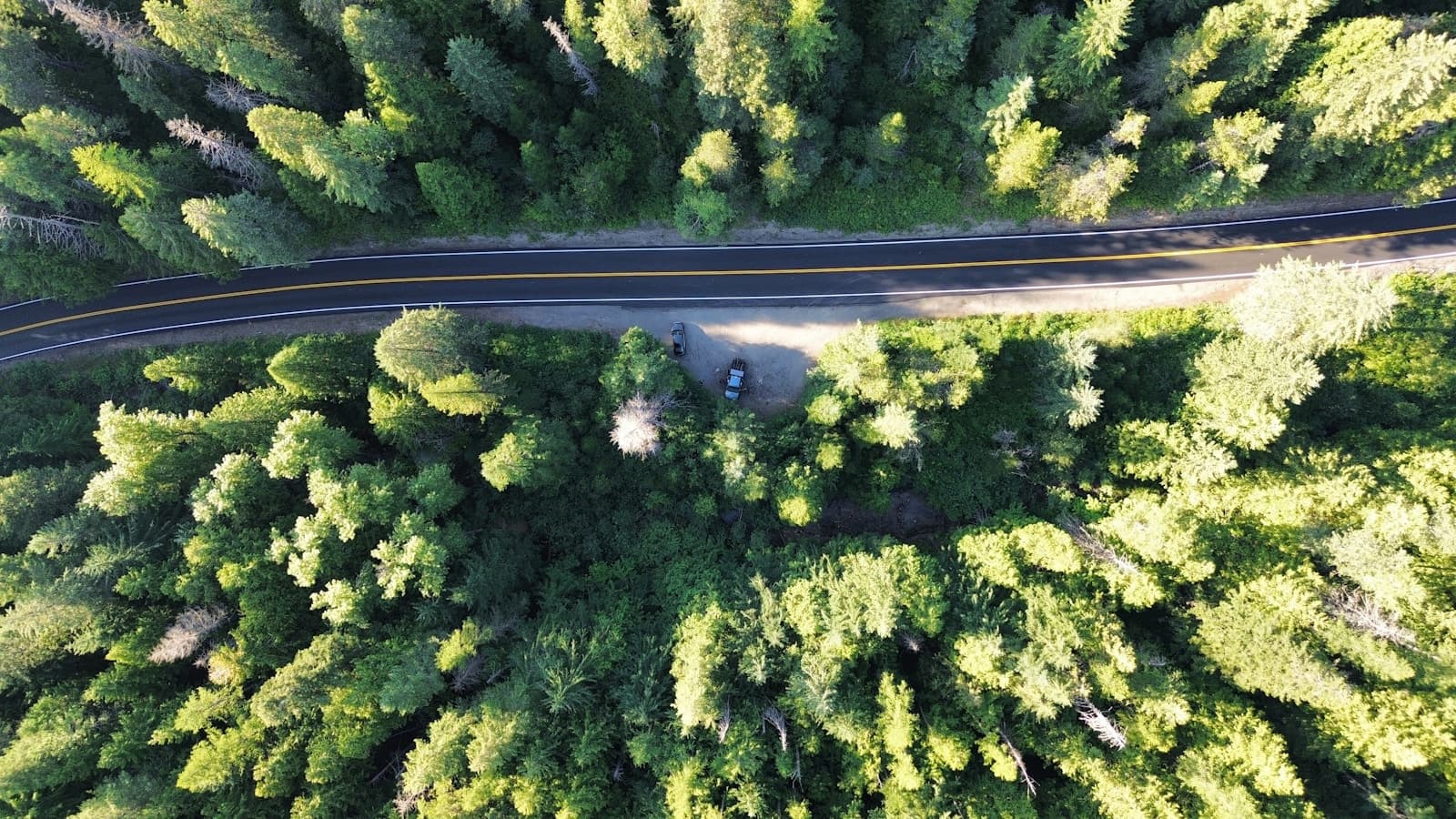
- Single-Access Road Network and Wildlife Collision Risk: With limited road infrastructure and frequent deer, bear, and eagle encounters along the 30-mile road system, comprehensive coverage for animal strikes remains essential. Drivers exiting SR-22 status should budget $30–$50/mo for comprehensive even after liability rates normalize, as wildlife claims remain common year-round.
- Ferry and Marine Highway Dependency: Many Ketchikan residents rely on Alaska Marine Highway ferries for mainland travel, reducing daily vehicle miles traveled compared to road-connected cities. Post-SR22 drivers with low annual mileage (under 7,500 miles/year) can leverage this for low-mileage discounts of 5–15% with carriers that track usage.
- Uninsured Motorist Rates in Rural Southeast Alaska: Alaska's statewide uninsured motorist rate is approximately 20%, with rural areas often higher. Ketchikan's isolated location and smaller economy contribute to compliance gaps. Post-SR22 drivers should prioritize uninsured motorist coverage at 50/100 minimum — adding $15–$30/mo — to protect against drivers without coverage.
Find out exactly how long SR-22 is required in your state
Coverage Recommendations
Cost estimates are based on available industry data and vary by driver profile. These are not insurance quotes.
Liability Insurance
Alaska requires 50/100/25 minimum liability limits. Post-SR22 drivers in Ketchikan should budget $60–$120/mo for state minimum liability in the first 12 months after filing ends, dropping to $45–$90/mo as the SR-22 incident ages beyond 4 years. Carriers review your three years of compliance favorably — use it as leverage when shopping.
$60–$120/mo first year post-SR22Estimated range only. Not a quote.
Comprehensive Coverage
With 162 inches of annual rain, frequent wildlife crossings, and coastal storm exposure, comprehensive coverage is essential in Ketchikan. Post-SR22 drivers typically pay $40–$70/mo for comprehensive with a $500 deductible — higher than state averages due to elevated weather and animal strike claims. If your vehicle is financed, lenders require this coverage regardless of SR-22 status.
$40–$70/mo with $500 deductibleEstimated range only. Not a quote.
Uninsured Motorist Coverage
Alaska's uninsured driver rate near 20% makes UM/UIM coverage critical, especially in smaller communities like Ketchikan where enforcement is limited. Post-SR22 drivers should carry at least 50/100 UM limits at $15–$30/mo to protect against uninsured drivers, as tort liability means you'll rely on this coverage if an uninsured driver causes your collision.
$15–$30/mo for 50/100 limitsEstimated range only. Not a quote.
Full Coverage
Full coverage (liability + collision + comprehensive) for post-SR22 drivers in Ketchikan typically costs $140–$260/mo in the first year after filing ends, dropping to $100–$180/mo by year three as the violation ages. Given Ketchikan's weather, wildlife, and limited repair facilities, full coverage protects your vehicle investment and is often required if you're financing or leasing.
$140–$260/mo first year post-SR22Estimated range only. Not a quote.