What Affects Rates in Fairbanks
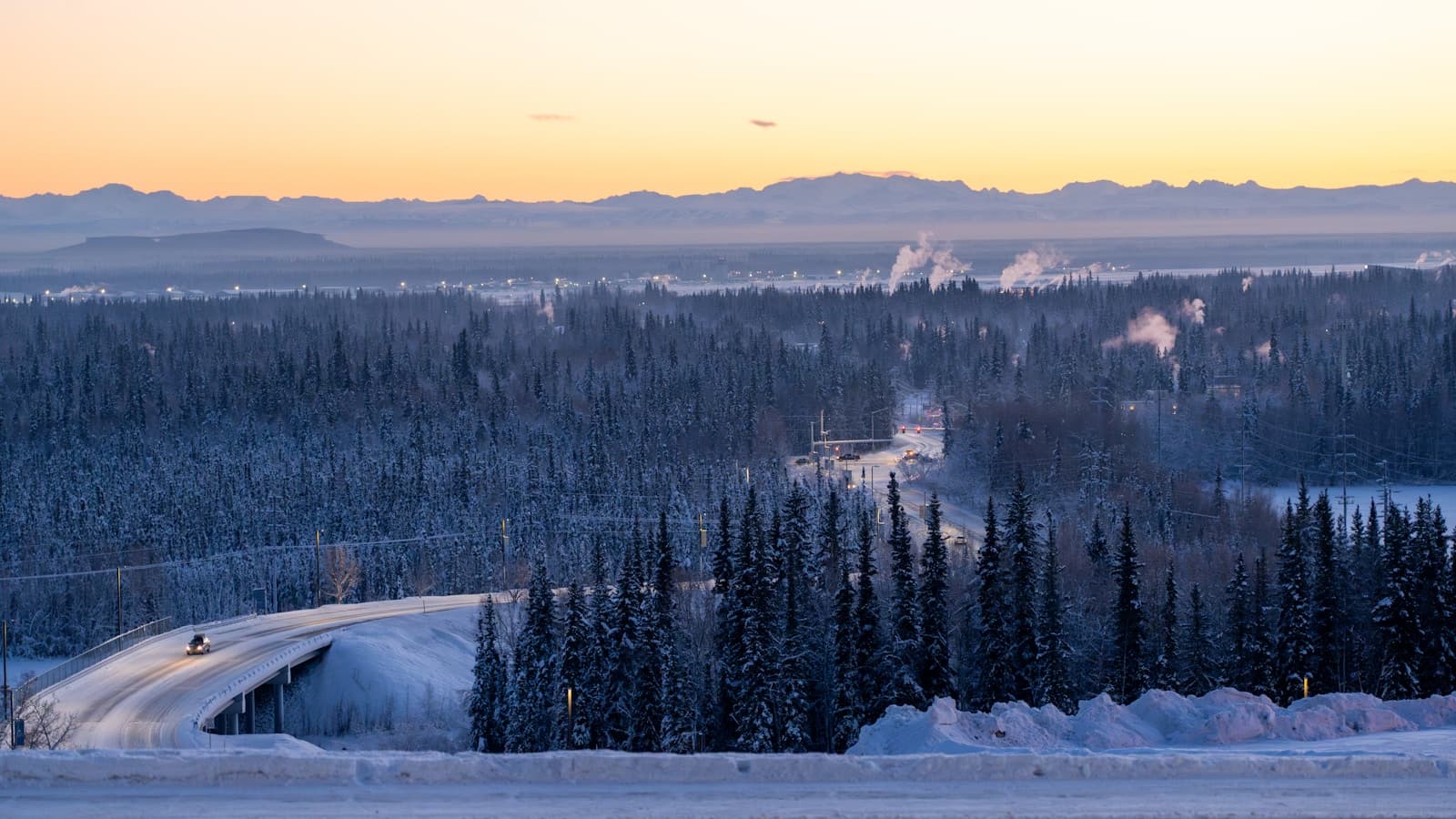
- Extreme Winter Driving Conditions: Fairbanks experiences temperatures below -40°F and prolonged darkness from November through February, creating conditions where even minor violations carry elevated risk profiles. Drivers transitioning off SR-22 benefit from winter driving course completion — insurers in Alaska often discount 5–10% for defensive driving certificates earned within the past 3 years.
- Limited Carrier Competition: Fairbanks has fewer standard carrier offices than Anchorage, meaning post-SR22 drivers must actively shop rather than wait for rate reductions. Regional carriers and direct writers dominate — expect 4–6 quotes rather than 10+ available in larger markets, making each quote comparison more critical.
- High Uninsured Motorist Exposure: Alaska's uninsured driver rate sits near 13% statewide, with rural Interior regions including Fairbanks Borough showing higher concentrations. Post-SR22 drivers should prioritize uninsured/underinsured motorist coverage at 100/300 limits — the $15–$25/mo cost protects against gaps in others' coverage that standard liability won't cover.
- Remote Location and Repair Costs: Fairbanks sits 350+ miles from Anchorage with limited parts distribution and repair facilities. Comprehensive and collision coverage costs run 10–15% higher than Anchorage due to parts shipping delays and limited shop competition, but dropping collision immediately after SR-22 ends can leave post-violation drivers underinsured if they financed a replacement vehicle during the filing period.
- DMV Notification Process: Alaska Division of Motor Vehicles automatically tracks SR-22 filing end dates, but insurers must file an SR-26 to formally terminate the requirement. Drivers should request written confirmation from their insurer that the SR-26 was filed and obtain DMV verification that no additional compliance is required before switching carriers — gaps trigger reinstatement of the full 3-year requirement.
Find out exactly how long SR-22 is required in your state
Coverage Recommendations
Cost estimates are based on available industry data and vary by driver profile. These are not insurance quotes.
Liability Insurance
Alaska requires 50/100/25 minimums, but post-SR22 drivers in Fairbanks should carry 100/300/100 to protect assets and signal lower risk to standard carriers. The $20–$35/mo difference between minimum and 100/300/100 limits can qualify you for preferred-tier rates 6–12 months sooner.
$70–$140/mo for 100/300/100 post-SR22Estimated range only. Not a quote.
Uninsured Motorist Coverage
With Alaska's 13% uninsured rate and Fairbanks' remote location increasing severity of winter collisions, UM/UIM at 100/300 limits costs $15–$30/mo but covers medical bills and lost wages when at-fault drivers lack adequate coverage. Post-SR22 drivers who drop this to save money often face uncollectible claims from uninsured drivers on icy roads.
$15–$30/mo for 100/300 limitsEstimated range only. Not a quote.
Comprehensive Coverage
Fairbanks' extreme cold causes non-collision claims — frozen fuel lines, cracked windshields from temperature swings, and wildlife strikes on rural highways. Comprehensive with a $500 deductible runs $35–$65/mo post-SR22 and protects financed vehicles that lenders require full coverage on regardless of SR-22 status.
$35–$65/mo with $500 deductibleEstimated range only. Not a quote.
Full Coverage
Liability at 100/300/100 plus comprehensive and collision with $500 deductibles costs post-SR22 Fairbanks drivers $180–$320/mo in the first 12 months after filing ends. This drops to $120–$220/mo by year three with no new violations, but only if you re-shop every 6–12 months rather than accept auto-renewal rates.
$180–$320/mo immediately post-SR22Estimated range only. Not a quote.