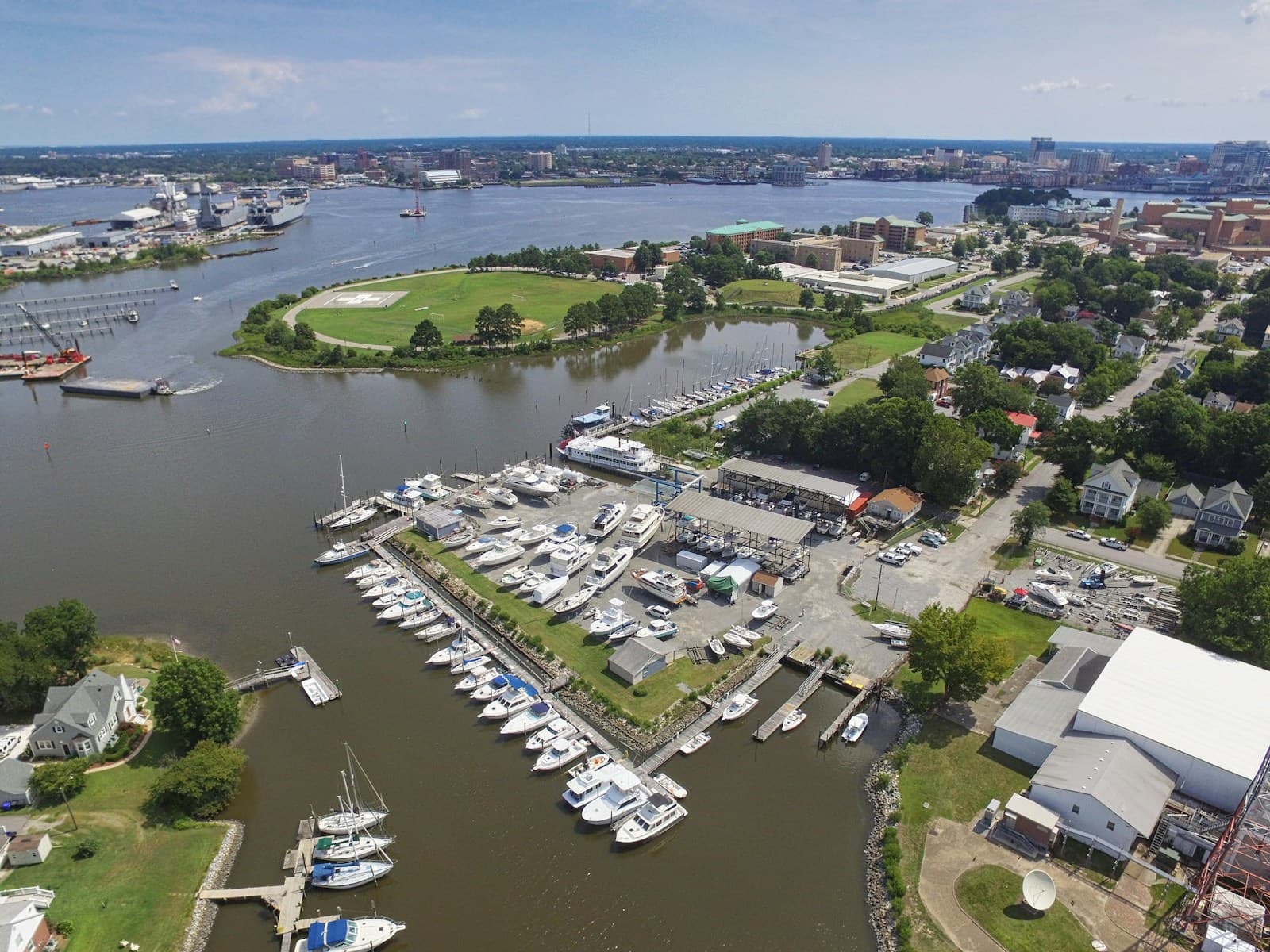
What Affects Rates in Portsmouth
- Hampton Roads Bridge-Tunnel Traffic Density: Portsmouth drivers commuting via I-264 and the tunnels face elevated accident risk during congestion, which insurers price into high-risk policies. Carriers consider commute patterns when quoting post-SR22 rates — tunnel-heavy routes can add 8–15% to premiums even after filing ends.
- Norfolk Naval Station Proximity: High military population turnover in the Hampton Roads area correlates with moderately elevated uninsured motorist rates. Post-SR22 drivers should prioritize uninsured motorist coverage at 100/300 limits, as military personnel frequently relocate mid-policy and coverage can lapse.
- Portsmouth General District Court Processing: Virginia requires courts to notify the DMV of DUI convictions and SR-22 requirements, but dismissals or reductions don't always sync immediately. Post-SR22 drivers should request a certified driving record from Virginia DMV before shopping to confirm the SR-22 notation has been removed — discrepancies can delay access to standard carriers by 30–90 days.
- Tidewater Regional Weather Patterns: Portsmouth experiences coastal flooding and hurricane-related comprehensive claims during peak season. Drivers transitioning off SR-22 who previously carried state minimum liability should add comprehensive coverage now — rates for clean drivers average $40–$70/mo, and coastal flooding claims can trigger premium surcharges if you're underinsured.
- I-264 and US-58 Corridor DUI Enforcement: Virginia State Police conduct elevated DUI enforcement along Portsmouth's major commuter corridors, particularly during evening hours. Post-SR22 drivers cannot afford a second violation — standard carriers will immediately re-classify you as high-risk, and rates can triple within one policy cycle.
Find out exactly how long SR-22 is required in your state
Coverage Recommendations
Cost estimates are based on available industry data and vary by driver profile. These are not insurance quotes.
Liability Insurance
Virginia requires 25/50/20 minimums, but post-SR22 drivers should carry 100/300/100 to protect recovery progress. Portsmouth's tort system means at-fault drivers pay all damages — a second at-fault accident with minimum limits can trigger lawsuits that undo years of rate improvement.
$75–$140/mo for 100/300/100 post-SR22Estimated range only. Not a quote.
Uninsured Motorist Coverage
Hampton Roads has moderately elevated uninsured driver rates due to military turnover and transient populations. Post-SR22 drivers who've worked to rebuild their record should carry UM limits matching liability — an uninsured hit-and-run can't be claimed against your policy if you lack this coverage, forcing you to pay out-of-pocket.
$20–$45/mo for 100/300 UMEstimated range only. Not a quote.
Full Coverage
Comprehensive and collision combined. Post-SR22 drivers financing vehicles must carry this, but even those who own outright should consider it — Portsmouth's coastal flood risk and tunnel accident rates make gap coverage risky. Dropping to liability-only saves $60–$100/mo but exposes you to total loss on a paid-off vehicle.
$180–$340/mo post-SR22 with clean 12 monthsEstimated range only. Not a quote.
Comprehensive Coverage
Covers non-collision events: theft, vandalism, flooding, animal strikes. Portsmouth drivers face coastal storm surge and Tidewater flooding annually — comprehensive claims don't count as at-fault, so they won't reset your SR-22 recovery clock. Deductibles of $500–$1,000 keep premiums manageable.
$40–$85/mo standalone post-SR22Estimated range only. Not a quote.