What Affects Rates in Chesapeake
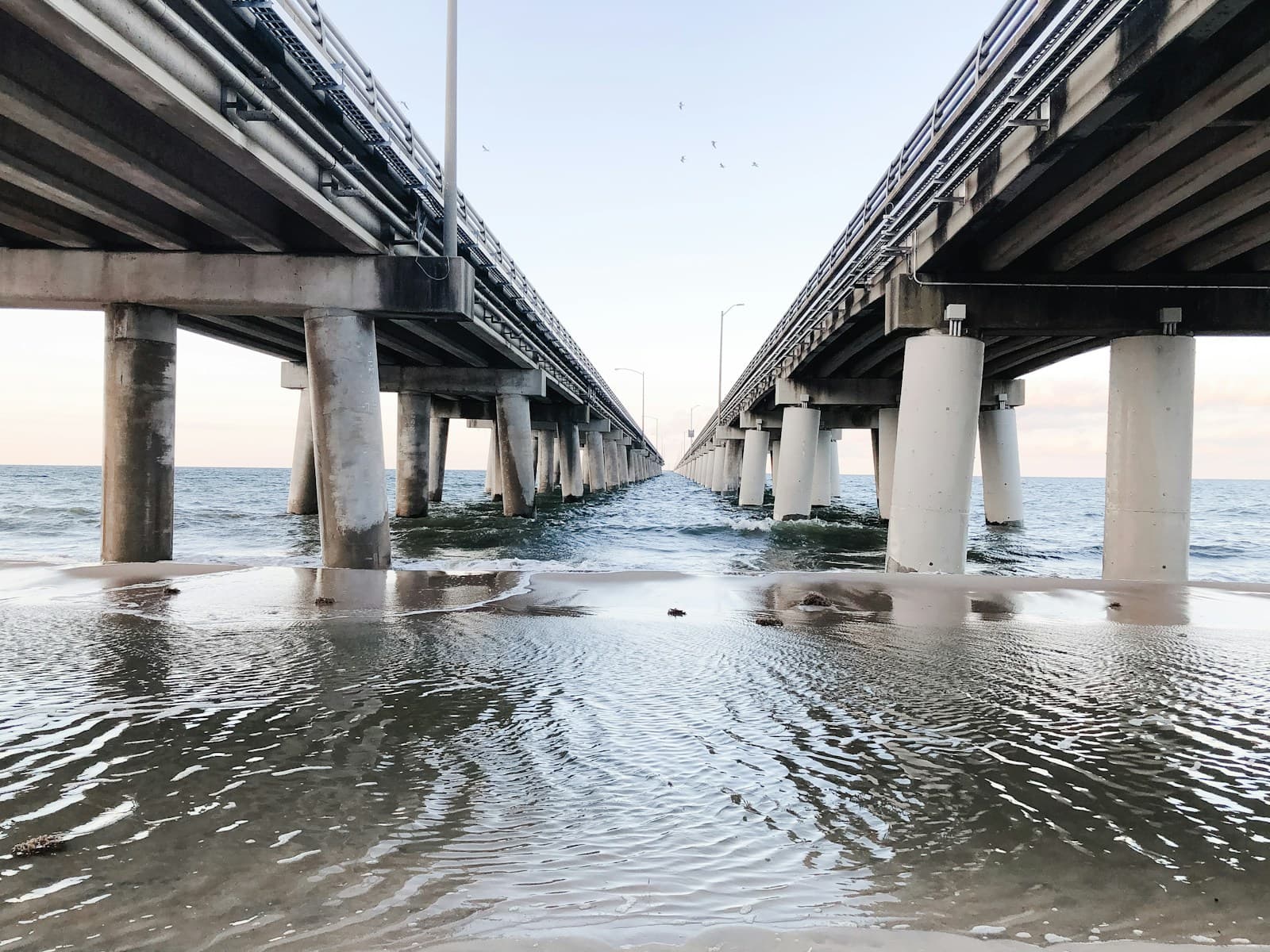
- Hampton Roads Bridge-Tunnel Congestion: Chesapeake drivers using I-64 and the Hampton Roads Bridge-Tunnel corridor face elevated accident exposure during peak commute hours. Post-SR22 drivers with at-fault accidents in their history may see this congestion factored into underwriting, particularly if their violation occurred on these high-density routes.
- Regional Uninsured Driver Concentration: The Hampton Roads metro area, including Chesapeake, shows higher uninsured motorist rates than Virginia's statewide average. Carriers writing post-SR22 policies here often price in this collision risk, making uninsured motorist coverage both more expensive and more essential for drivers transitioning off SR-22.
- Military Population Turnover: Chesapeake's proximity to Naval Station Norfolk and Joint Base Langley-Eustis creates constant population flux, which correlates with higher lapse rates and address changes. Carriers track this instability, and post-SR22 drivers benefit from demonstrating 12+ months of continuous coverage at a stable address when shopping for standard rates.
- Great Dismal Swamp Parkway and Rural Route Risk: Southern Chesapeake's rural corridors and two-lane roads like U.S. Route 17 show different accident patterns than the city's northern urban zones. Drivers whose SR-22 stemmed from violations in these areas may find fewer standard carriers willing to write them immediately, as rural accident severity often exceeds urban fender-benders.
- Virginia Court and DMV Processing Speed: Virginia DMV typically processes SR-22 termination notices within 10–15 business days of your 3-year completion date, but your carrier must file the release. Chesapeake drivers should request written confirmation from both their insurer and the DMV before shopping for standard coverage, as a filing still showing active will block access to preferred rates.
Find out exactly how long SR-22 is required in your state
Coverage Recommendations
Cost estimates are based on available industry data and vary by driver profile. These are not insurance quotes.
Liability Insurance
Virginia requires 25/50/20 minimums, but post-SR22 drivers in Chesapeake should consider 100/300/100 limits. Hampton Roads' congested corridors and elevated uninsured driver rates mean a 25/50/20 policy leaves you exposed if you're found at fault in a multi-vehicle pileup on I-64 or the Berkley Bridge.
$55–$110/mo for 100/300/100 limits in first year post-SR22Estimated range only. Not a quote.
Uninsured Motorist Coverage
Given Hampton Roads' higher-than-average uninsured driver population, this coverage protects you if a driver without insurance hits you after you've completed your SR-22. Many standard carriers now require UM/UIM limits matching your liability limits for post-SR22 applicants, viewing it as risk mitigation in markets like Chesapeake.
$20–$45/mo added to liability-only policyEstimated range only. Not a quote.
Full Coverage
Liability plus comprehensive and collision. If you financed a vehicle during your SR-22 period and still carry a loan, full coverage remains mandatory. Post-SR22 drivers in Chesapeake can expect collision premiums to drop 25–40% within 12 months of their filing ending, but you must shop aggressively — your current non-standard carrier rarely offers the steepest discounts.
$140–$260/mo in first year post-SR22Estimated range only. Not a quote.
Comprehensive Coverage
Covers theft, vandalism, weather, and animal strikes. Chesapeake's southern zones near the Great Dismal Swamp see frequent deer collisions, and coastal proximity means hurricane and flood risk. Post-SR22 drivers often find comprehensive costs little changed from their SR-22 period, as these perils aren't tied to your driving record.
$25–$50/mo for $500 deductibleEstimated range only. Not a quote.