What Affects Rates in Seattle
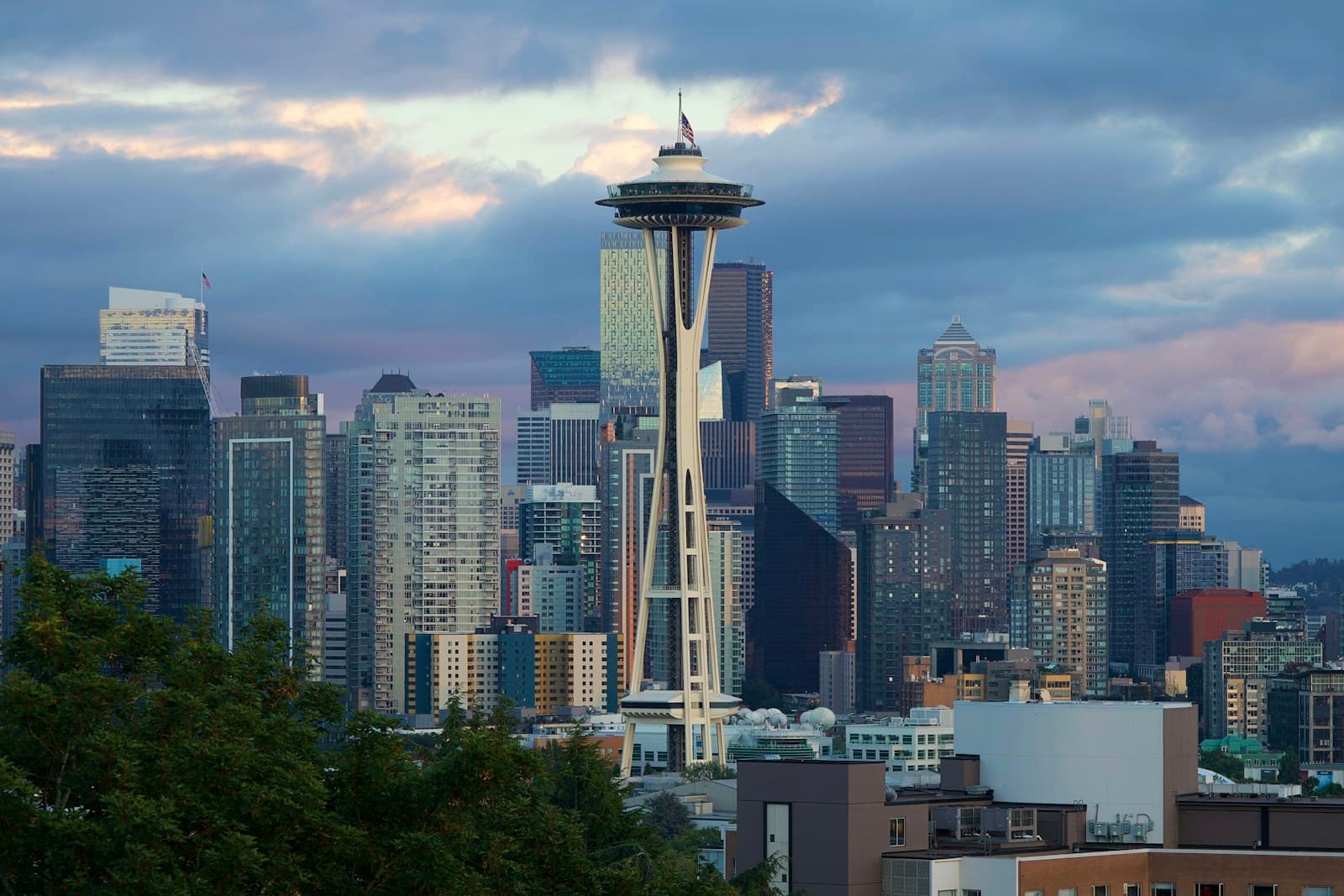
- Downtown Seattle Collision Density: Seattle's downtown core and I-5 corridor experience higher accident frequencies than suburban King County areas, which keeps comprehensive and collision premiums elevated even after SR-22 completion. Post-filing drivers living in neighborhoods like Capitol Hill or Belltown typically pay 15–25% more than those in Maple Leaf or Northgate due to claim density patterns.
- Uninsured Driver Concentration: Washington requires uninsured motorist coverage as mandatory, and Seattle's uninsured driver rate—while lower than the national average—still sits around 8–10% in King County. This requirement adds $15–$30/mo to every policy, but it's critical protection for post-SR22 drivers who can't afford another at-fault incident.
- Washington DOL SR-22 Notification Process: The Washington Department of Licensing requires your insurer to electronically notify them when your SR-22 filing ends, but you must proactively request removal from your policy—it doesn't happen automatically. Failing to maintain continuous coverage during the 3-year period restarts the clock entirely, and any lapse triggers immediate license suspension.
- Marine Climate Impact on Comprehensive Claims: Seattle's persistent rain and marine air contribute to higher comprehensive claim rates for rust, water damage, and windshield chips compared to Eastern Washington. Post-SR22 drivers keeping full coverage should expect comprehensive premiums 10–20% above state averages, particularly in coastal neighborhoods near Puget Sound.
- King County Court System DUI Processing: King County processes one of the highest volumes of DUI cases in Washington, and Seattle Municipal Court handles citywide DUI filings with specific compliance requirements. Post-conviction, drivers must coordinate SR-22 filing through both DOL and their insurer, and any court-ordered treatment completion documentation can help demonstrate responsibility to standard-market carriers.
Find out exactly how long SR-22 is required in your state
Coverage Recommendations
Cost estimates are based on available industry data and vary by driver profile. These are not insurance quotes.
Liability Insurance
Washington requires 25/50/10 minimum liability limits, but post-SR22 drivers should carry at least 100/300/100 to protect assets after graduating back to standard markets. Seattle's high vehicle values and injury claim costs make minimum limits a significant financial risk—one at-fault accident with minimum coverage could erase years of rate recovery.
$65–$120/mo for 100/300/100 limitsEstimated range only. Not a quote.
Uninsured Motorist Coverage
Washington mandates uninsured/underinsured motorist coverage at the same limits as your liability policy unless you reject it in writing. For post-SR22 drivers in Seattle, this coverage is non-negotiable protection—if an uninsured driver hits you, your UM coverage pays your medical bills and lost wages without triggering an at-fault claim on your improving record.
$15–$35/mo for 100/300 UM limitsEstimated range only. Not a quote.
Full Coverage
Full coverage (liability + comprehensive + collision) becomes affordable again 12–18 months after SR-22 completion if you've maintained a clean record. Seattle drivers with financed vehicles must carry full coverage, and dropping it during your filing period can trigger lender force-placed insurance at 2–3x your normal premium.
$140–$280/mo first year post-filingEstimated range only. Not a quote.
Comprehensive Coverage
Comprehensive covers non-collision damage like theft, vandalism, weather, and glass damage—all frequent in Seattle's urban core and rainy climate. Post-SR22 drivers keeping older vehicles often drop comprehensive to reduce premiums, but those in high-theft neighborhoods like Pioneer Square or areas prone to windshield damage should maintain it with a $500–$1,000 deductible.
$35–$75/mo with $500 deductibleEstimated range only. Not a quote.