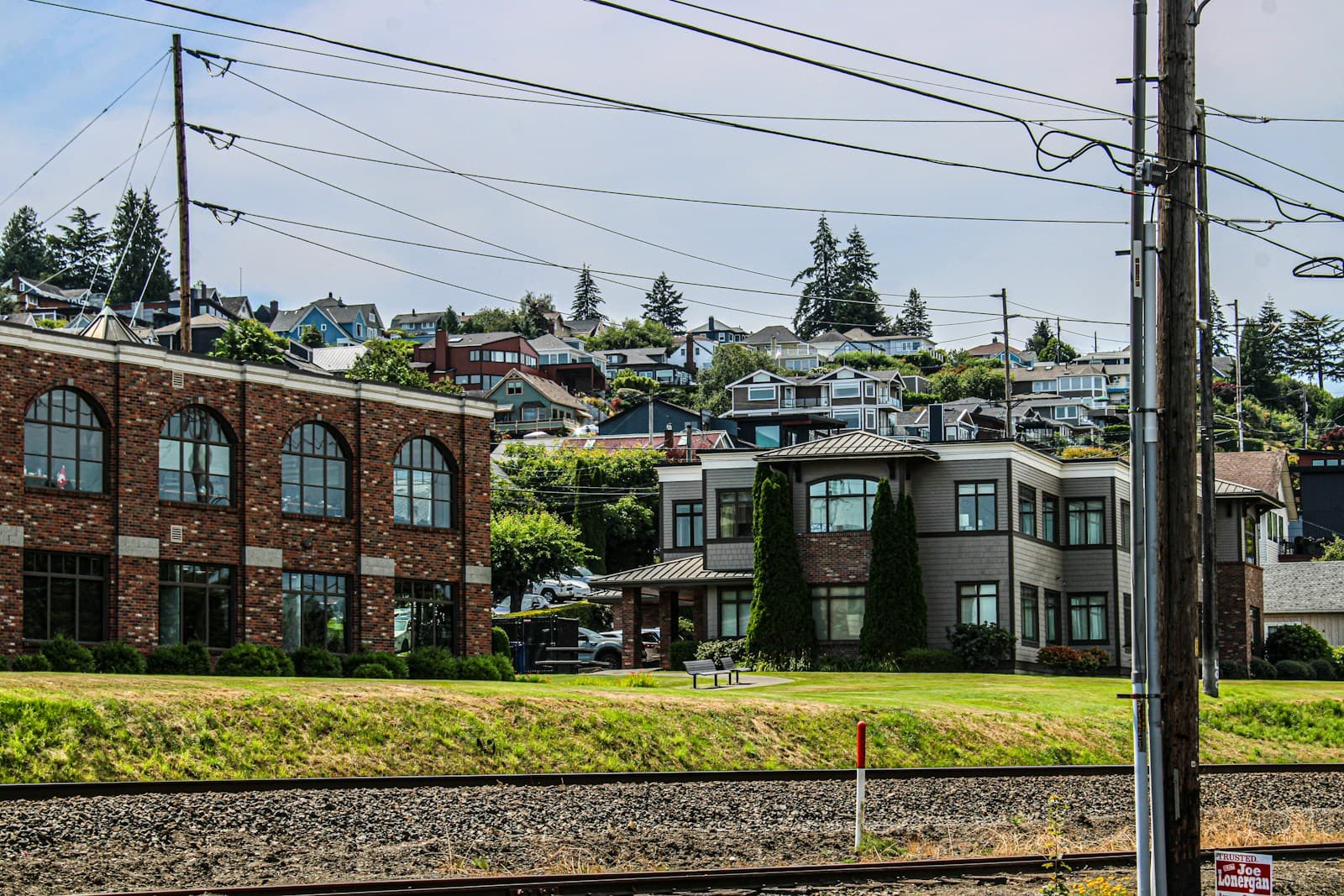
What Affects Rates in Tacoma
- Port of Tacoma Commercial Corridor Traffic: State Route 509 and I-5 through Tacoma carry heavy commercial truck traffic serving the Port of Tacoma, the 8th-largest container port in North America. Post-SR22 drivers in the Tideflats and Fife areas typically see 8–12% higher liability premiums due to elevated accident severity rates in mixed passenger-commercial zones.
- Pierce County Uninsured Driver Rate: Pierce County consistently reports uninsured motorist rates 1.5–2 percentage points above the Washington state average, particularly in census tracts south of downtown Tacoma. Carriers price uninsured motorist coverage 10–18% higher here, which matters for post-SR22 drivers rebuilding full-coverage policies.
- Tacoma Municipal Court DUI Processing Timeline: Tacoma Municipal Court processes most misdemeanor DUI cases within 90–120 days, but SR-22 filing obligations begin at conviction or license suspension — whichever comes first. Drivers who complete diversion programs may exit SR-22 requirements sooner, but the filing stays on insurance records for 3 years from the original date, affecting rate eligibility timelines.
- South Sound Weather and Claim Frequency: Tacoma averages 38 inches of annual rainfall with frequent low-visibility conditions October through March. Comprehensive coverage claims for weather-related incidents run 12–15% higher here than Eastern Washington, which extends rate recovery timelines for post-SR22 drivers adding comp/collision back to their policies.
- Washington DOL SR-22 Removal Process: Washington DOL does not automatically notify you when your SR-22 period ends — you must confirm the filing termination date with DOL and request removal. Many Tacoma drivers remain on non-standard policies 6–12 months longer than necessary because their insurer never received termination confirmation, delaying access to standard-market rates.
Find out exactly how long SR-22 is required in your state
Coverage Recommendations
Cost estimates are based on available industry data and vary by driver profile. These are not insurance quotes.
Liability Insurance
Washington requires 25/50/10 minimums, but post-SR22 Tacoma drivers shopping standard markets should quote 100/300/100 to access the widest carrier selection. Port corridor commuters benefit from higher property damage limits due to commercial vehicle exposure on SR-509 and Puyallup River Road.
$65–$130/mo post-SR22Estimated range only. Not a quote.
Uninsured Motorist Coverage
Pierce County's elevated uninsured driver concentration makes UM/UIM coverage critical for post-SR22 drivers rebuilding full protection. Washington requires insurers to offer UM equal to your liability limits; declining it in writing may save $15–$25/mo but transfers significant risk in South Tacoma and Parkland neighborhoods with higher uninsured rates.
$18–$35/mo for 100/300 UMEstimated range only. Not a quote.
Comprehensive Coverage
Tacoma's wet-season weather and vehicle prowl rates in Hilltop and Stadium District areas make comprehensive valuable for post-SR22 drivers financing vehicles. Expect 15–20% higher comp premiums than state averages due to theft claim frequency; $500–$1,000 deductibles balance cost and protection during the first 12 months after SR-22 ends.
$45–$80/mo with $500 deductibleEstimated range only. Not a quote.
Full Coverage
Full-coverage policies combining liability, comp, collision, and UM cost post-SR22 Tacoma drivers $140–$240/mo in the first year after filing removal — 35–45% less than during the SR-22 period. Standard carriers re-enter your pricing pool once DOL confirms filing termination, creating immediate rate competition that non-standard insurers won't match.
$140–$240/mo post-SR22Estimated range only. Not a quote.