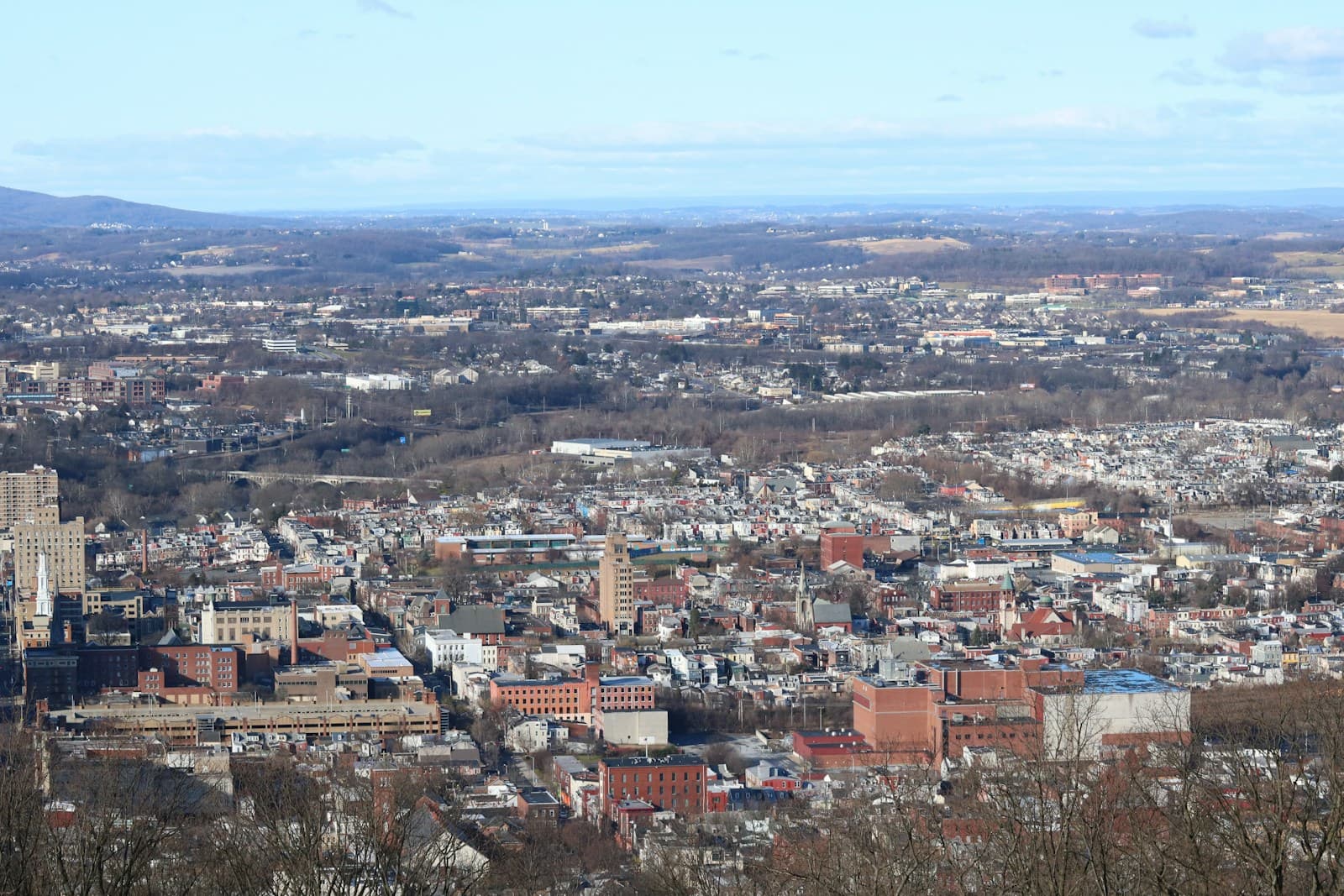
What Affects Rates in Reading
- Route 222 and Penn Street Corridor Traffic Density: Reading's main arterials—Route 222, Penn Street, and the Route 422 interchange—see high commuter volume and elevated accident rates, particularly during peak hours. Post-SR22 drivers shopping for coverage will find collision and comprehensive premiums reflect this urban congestion pattern, typically 12–18% higher than suburban Berks County rates.
- PennDOT SR-22 Removal Process: Pennsylvania does not automatically notify you when your SR-22 filing period ends. You must request a filing termination letter from your insurer and confirm with PennDOT that your license status is clear before shopping standard carriers. Missing this step keeps you in the non-standard market unnecessarily.
- Berks County Court DUI Reinstatement Requirements: DUI convictions processed through Berks County Court require proof of completed Alcohol Highway Safety School and CRN payment confirmation before PennDOT lifts the SR-22 requirement. Carriers verify this documentation before offering standard rates, so gather your completion certificates before shopping.
- Reading's Choice No-Fault Election Impact: Pennsylvania allows drivers to choose limited or full tort coverage. Post-SR22 drivers selecting limited tort to lower premiums sacrifice lawsuit rights for minor injuries. Full tort adds $15–$35/month but preserves full legal recovery options—critical in Reading's dense traffic environment where multi-vehicle crashes are common.
- Winter Weather and Comprehensive Claims: Reading averages 30+ inches of snow annually, and ice-related comprehensive claims (windshield damage, slide-offs) are frequent January through March. Post-SR22 drivers adding comprehensive coverage should expect $80–$140 per six months based on vehicle value, with claims-free winters helping rates normalize faster.
Find out exactly how long SR-22 is required in your state
Coverage Recommendations
Cost estimates are based on available industry data and vary by driver profile. These are not insurance quotes.
Liability Insurance
Pennsylvania requires 15/30/5 minimum liability limits, but post-SR22 drivers in Reading should carry 100/300/100 to protect assets in at-fault crashes on high-traffic corridors like Route 222 and Penn Street. Standard carriers offering competitive rates after your filing ends typically require these higher limits as a condition of coverage.
$65–$120/mo for 100/300/100 (first year post-SR22)Estimated range only. Not a quote.
Full Coverage
Full coverage (liability + collision + comprehensive) in Reading runs $95–$180/month in the first 12 months after SR-22 removal, based on available industry data. Rates drop further at the 3-year and 5-year marks as the violation ages off your driving record calculation. Shop at each renewal—carriers weight post-SR22 time differently.
$95–$180/mo (year one post-SR22)Estimated range only. Not a quote.
Uninsured Motorist Coverage
Pennsylvania does not mandate UM/UIM coverage, but Berks County's moderate uninsured driver rate makes it essential protection in Reading. Post-SR22 drivers should carry UM/UIM limits matching their liability—100/300 costs an additional $12–$25/month and covers you if an at-fault driver has no insurance or flees the scene.
$12–$25/mo for 100/300 UM/UIMEstimated range only. Not a quote.
Comprehensive Coverage
Comprehensive covers non-collision events: theft, vandalism, weather damage, and animal strikes. In Reading's urban core and surrounding rural roads (where deer strikes are common), comprehensive is critical. Post-SR22 drivers financing vehicles are required to carry it; others should add it for $80–$140 per six months to protect against winter ice damage and urban theft risk.
$80–$140 per 6 monthsEstimated range only. Not a quote.