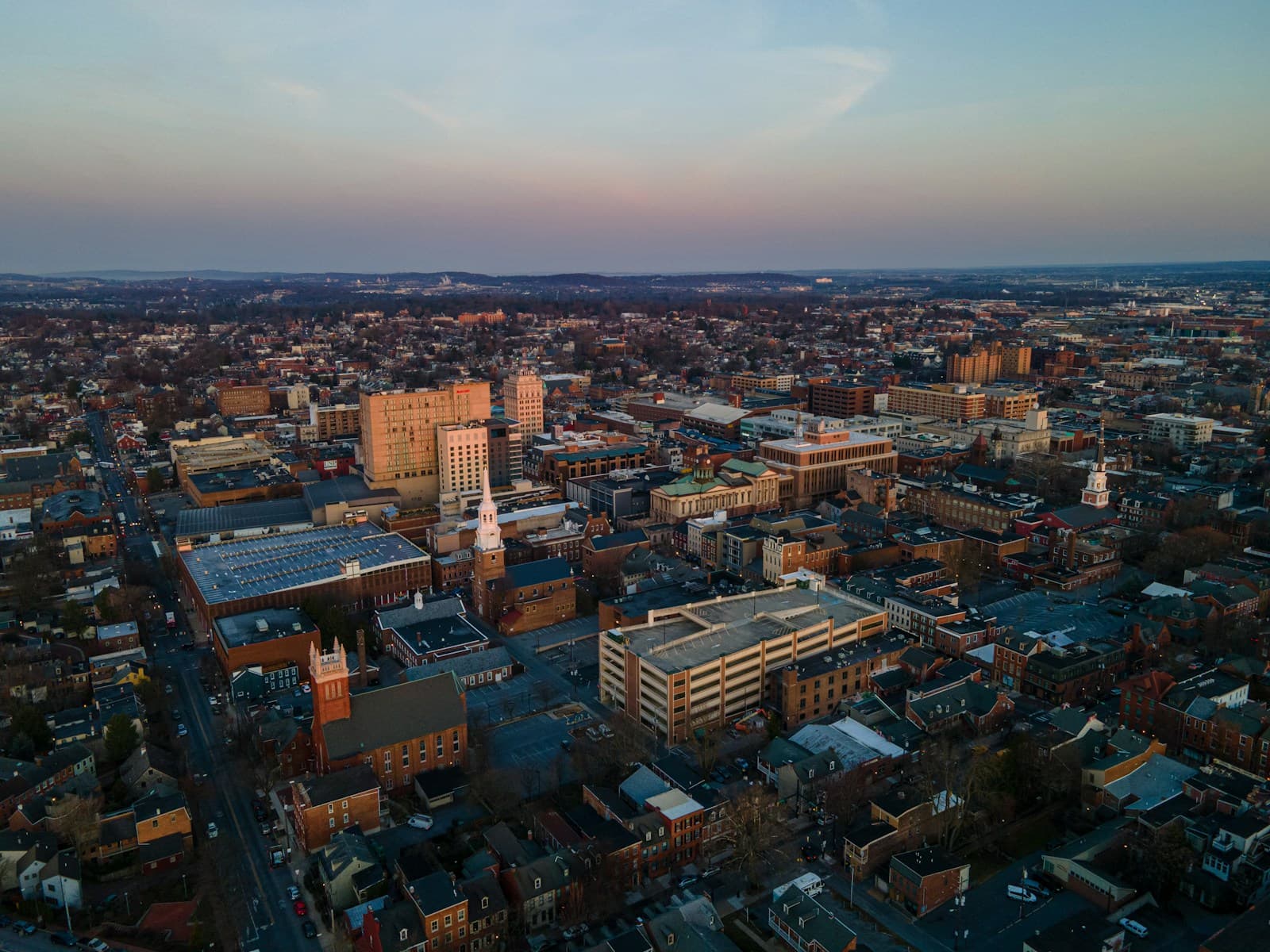
What Affects Rates in Lancaster
- Route 30 and Route 283 Commuter Density: Heavy commuter traffic on Route 30 (Lincoln Highway) and Route 283 increases accident exposure for post-SR22 drivers, particularly during peak hours when rear-end and merge collisions are most common. Carriers weight Lancaster's east-west corridor density when pricing liability limits for drivers with recent at-fault violations.
- Lancaster County Court Processing Times: Lancaster County Court of Common Pleas handles DUI and license restoration cases with typical processing times of 60–90 days for clearance letters, which post-SR22 drivers need to confirm filing end dates. Delays in obtaining court documentation can extend the period you're quoted non-standard rates even after your requirement technically ends.
- Rural-Urban Rate Divide: Post-SR22 drivers in Lancaster city proper face 15–25% higher premiums than those in surrounding townships like Manor or East Lampeter due to higher theft rates and collision frequency in the urban core. Your exact ZIP code within Lancaster County significantly affects which rate tier you're quoted.
- Winter Weather Collision Patterns: Lancaster typically sees 30–40 inches of snow annually, with ice-related accidents spiking on Routes 30, 72, and 222 from December through February. Post-SR22 drivers are rated more strictly for comprehensive and collision coverage due to higher predicted claim likelihood in adverse conditions.
- Amish Buggy Collision Risk: Lancaster County's significant Amish population means unique slow-moving vehicle hazards on rural roads, particularly in eastern townships. Carriers may adjust collision premiums for post-SR22 drivers in these areas due to elevated accident risk involving buggies, especially at dawn and dusk.

Find out exactly how long SR-22 is required in your state
Coverage Recommendations
Cost estimates are based on available industry data and vary by driver profile. These are not insurance quotes.
Liability Insurance
Pennsylvania requires 15/30/5 minimums, but post-SR22 drivers in Lancaster should maintain at least 100/300/100 to protect assets and demonstrate responsibility to future carriers. You're no longer required to carry SR-22, but your liability history remains on your motor vehicle record for five years, affecting how carriers price your bodily injury and property damage coverage.
$80–$180/mo for 100/300/100 limits in first year post-SR22Estimated range only. Not a quote.
Full Coverage
Combining liability, collision, and comprehensive after SR-22 removal signals to standard carriers that you're a lower flight risk. Lancaster drivers transitioning off SR-22 typically see full coverage quotes $60–$120/mo higher than clean-record drivers in the first 12 months, narrowing to $30–$50/mo premium by month 24–36.
$200–$380/mo first year, declining to $140–$220/mo by year threeEstimated range only. Not a quote.
Uninsured Motorist Coverage
Pennsylvania allows you to reject UM/UIM coverage in writing, but post-SR22 drivers in Lancaster should carry at least 100/300 limits given Lancaster County's estimated 7% uninsured driver rate and your limited ability to absorb medical costs if hit by an uninsured driver. This coverage is priced on your bodily injury exposure, not your driving record, making it relatively affordable even immediately after SR-22 ends.
$15–$35/mo for 100/300 UM/UIM limitsEstimated range only. Not a quote.
Comprehensive Coverage
Covers non-collision losses like theft, vandalism, and weather damage — relevant in Lancaster due to winter storm frequency and higher property crime rates in the city center. Post-SR22 drivers see smaller surcharges on comprehensive than collision because your violation history doesn't predict deer strikes or hail damage, making this coverage a value add when building back to full coverage.
$25–$60/mo with $500 deductibleEstimated range only. Not a quote.