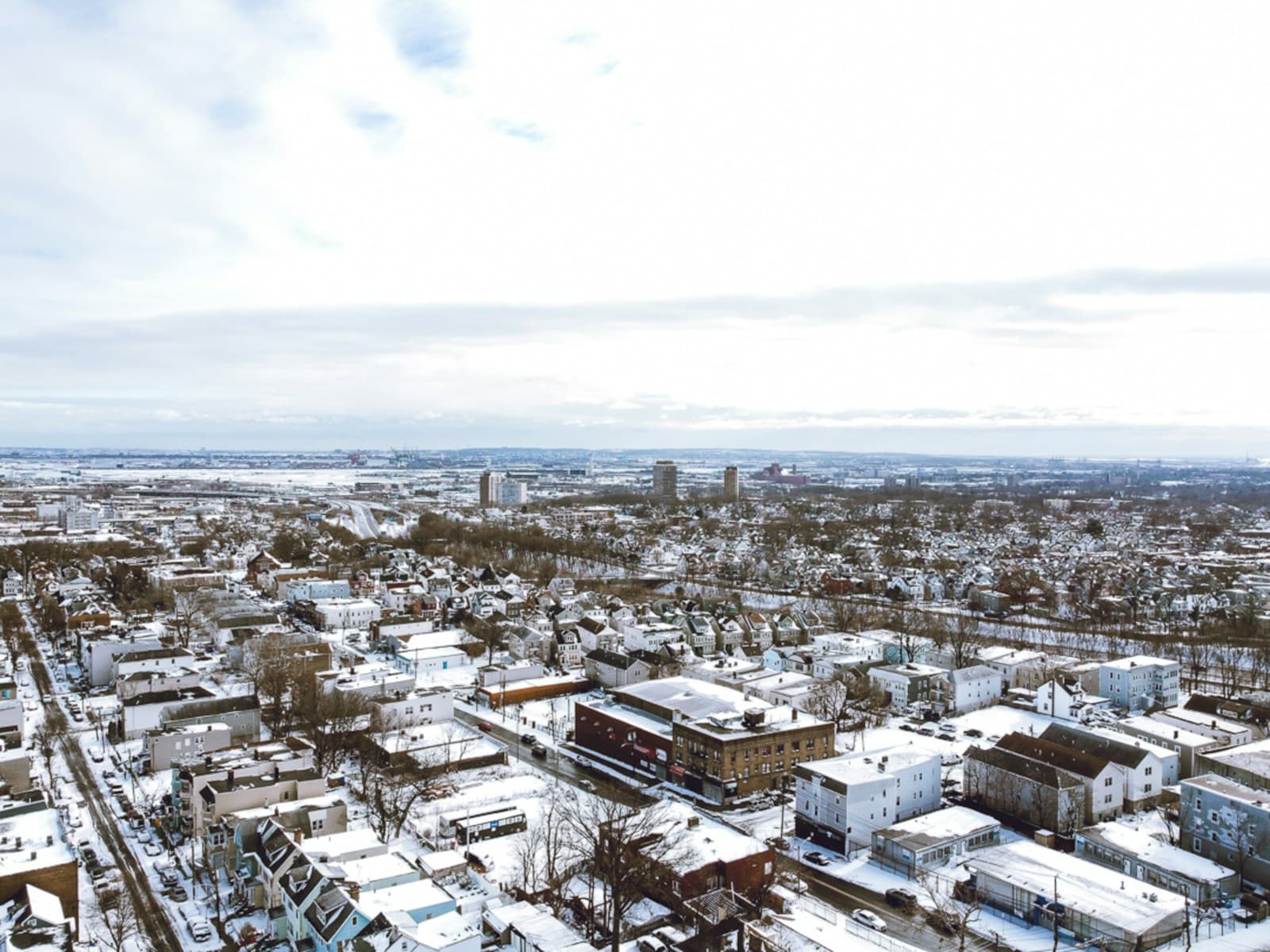
What Affects Rates in Newark
- High Urban Density and Accident Frequency: Newark's dense urban core with over 11,000 residents per square mile drives collision risk higher than suburban New Jersey locations. Post-SR22 drivers face steeper comprehensive and collision premiums here due to elevated theft and vandalism rates in high-traffic zones like the Ironbound and Downtown districts.
- Elevated Uninsured Motorist Rates: Newark has a higher concentration of uninsured drivers compared to New Jersey's state average, making uninsured motorist coverage critical for post-SR22 drivers who can't afford another at-fault incident. Carriers price this risk into your base premium even after your filing ends.
- Route 1-9 and I-78 Commuter Corridors: High-mileage commuters using Newark's major arteries—Route 1-9, I-78, and the NJ Turnpike—face higher premiums due to increased exposure. If you've reduced your commute since your violation, updating your annual mileage can lower post-SR22 rates by 10–15%.
- MVC Compliance History Stays on Record: New Jersey's Motor Vehicle Commission keeps your SR-22 filing on record even after the requirement ends. The underlying violation (DUI, suspension, multiple at-faults) remains visible to insurers for 3–5 years, affecting which standard carriers will accept you and at what rate tier.
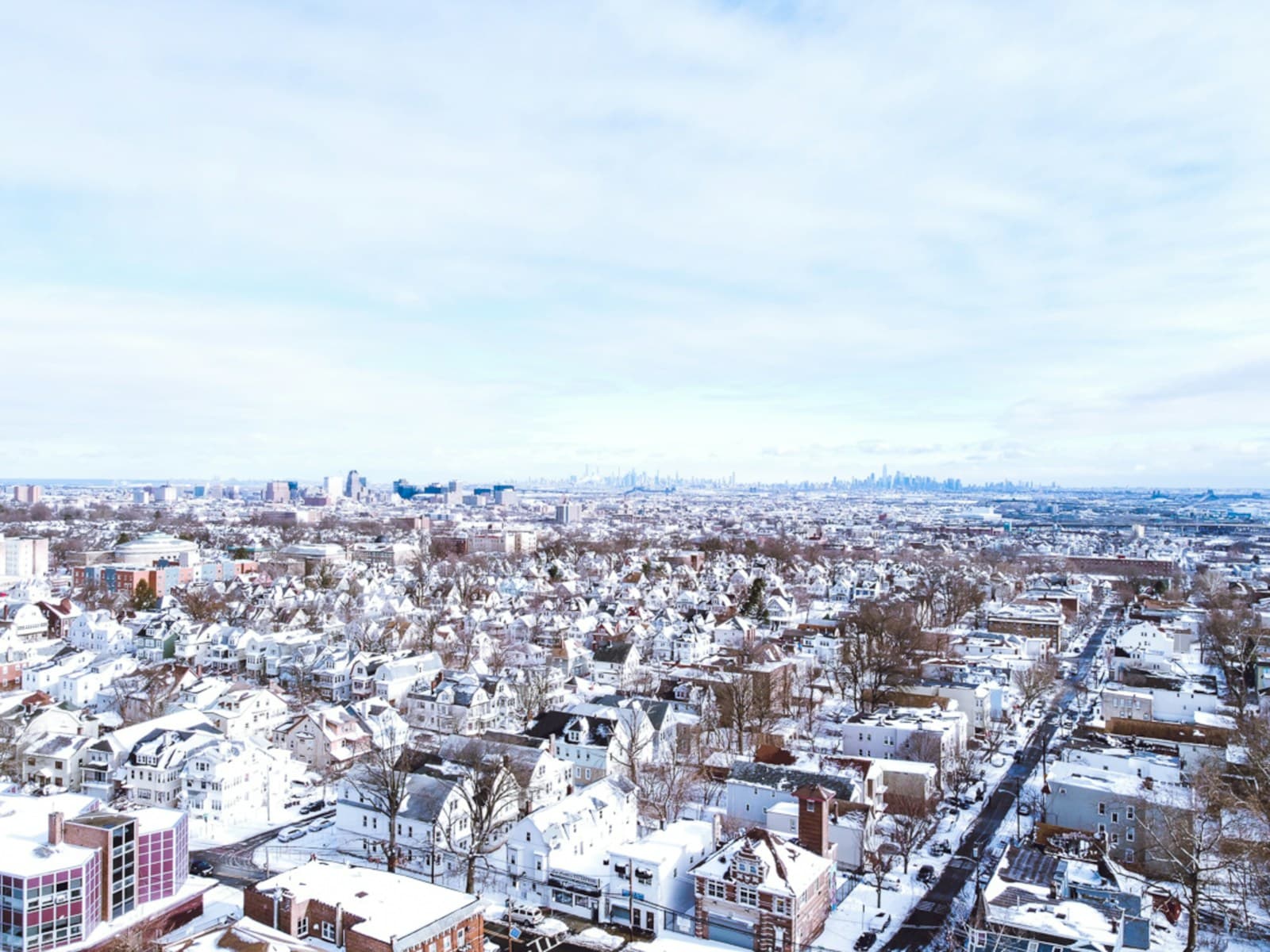
- Winter Weather and Claim Spikes: Newark winters bring snow, ice, and salt damage that increase comprehensive claims. Post-SR22 drivers should maintain full coverage for at least 12 months after filing ends to avoid a lapse that could trigger another suspension and reset your rate recovery timeline.
Find out exactly how long SR-22 is required in your state
Coverage Recommendations
Cost estimates are based on available industry data and vary by driver profile. These are not insurance quotes.
Liability Insurance
New Jersey requires 15/30/5 minimums, but post-SR22 drivers in Newark should carry at least 100/300/100 to protect assets from lawsuits in this high-litigation urban market. Liability-only policies immediately post-SR22 range from $95–$160/mo in Newark, with rates dropping as your violation ages off.
$95–$160/mo post-SR22Estimated range only. Not a quote.
Full Coverage
Full coverage (liability + collision + comprehensive) runs $180–$320/mo in the first year after SR-22 ends, compared to $320–$520/mo during the filing period. Maintaining continuous full coverage signals stability to standard carriers and accelerates your transition to better rate tiers.
$180–$320/mo post-SR22Estimated range only. Not a quote.
Uninsured Motorist Coverage
With Newark's elevated uninsured driver rate, UM/UIM coverage protects you if an uninsured driver causes an accident. Post-SR22 drivers recovering their record can't afford another at-fault claim or medical payout—carry limits matching your liability coverage.
+$20–$45/mo typicallyEstimated range only. Not a quote.
Comprehensive Coverage
Comprehensive covers theft, vandalism, and weather damage—common risks in Newark's urban neighborhoods. If you financed your vehicle or it's worth over $5,000, keep comprehensive for at least 12 months post-SR22 to avoid a coverage lapse that could reset your rate recovery.
+$35–$75/mo typicallyEstimated range only. Not a quote.