What Affects Rates in Jersey City
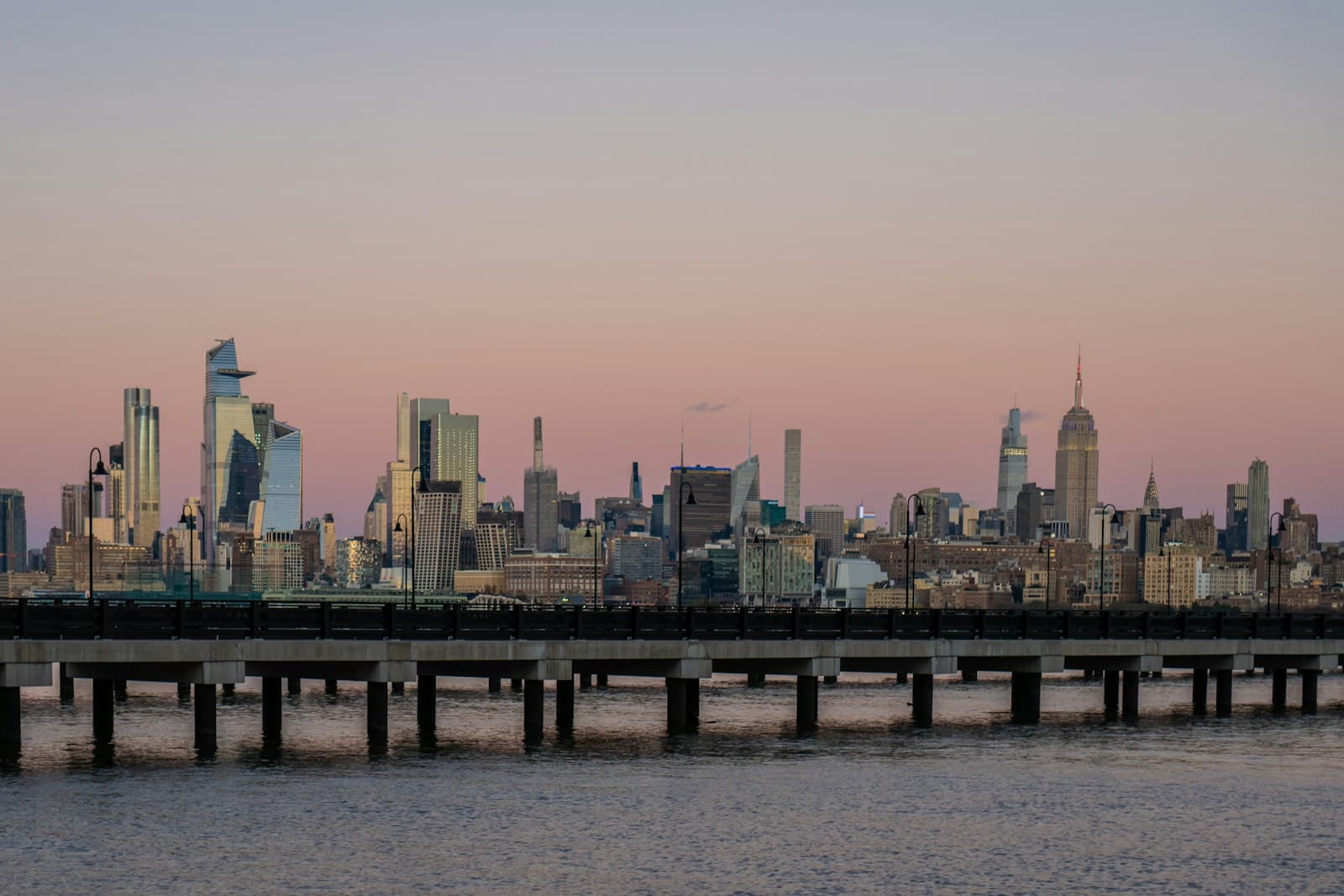
- Urban Density and Accident Frequency: Jersey City's population density exceeds 18,000 per square mile, among the highest in New Jersey, creating elevated accident frequency that keeps post-SR22 liability premiums 15–25% above suburban New Jersey averages. Heavy commuter traffic through routes to Manhattan and Newark compounds collision risk even after your SR-22 ends.
- Hudson County Uninsured Motorist Concentration: Hudson County maintains uninsured driver rates estimated at 12–15%, significantly above the New Jersey state average of 10%. This elevates uninsured/underinsured motorist coverage costs by $25–$45/mo for post-SR22 drivers who need robust protection while rebuilding their record.
- New Jersey MVC SR-22 Termination Process: The New Jersey Motor Vehicle Commission does not automatically notify you when your 3-year SR-22 period ends — you must verify the termination date directly with MVC and confirm your insurer has filed the SR-26 termination form. Missing this transition means continuing to pay non-standard rates unnecessarily.
- No-Fault PIP Requirements: New Jersey's no-fault system mandates $15,000 minimum Personal Injury Protection regardless of your driving record, but post-SR22 drivers can reduce costs by selecting the limited tort option, which typically saves $150–$300/year compared to unlimited tort while you're rebuilding rate eligibility.
- PATH and Transit Access: Jersey City's extensive PATH and NJ Transit access allows some post-SR22 drivers to reduce annual mileage and qualify for low-mileage discounts of 5–15%, particularly if commuting to Manhattan without a vehicle. Document reduced driving with odometer records when shopping for your first post-SR22 policy.
Find out exactly how long SR-22 is required in your state
Coverage Recommendations
Cost estimates are based on available industry data and vary by driver profile. These are not insurance quotes.
Liability Insurance
New Jersey requires 15/30/5 minimum liability, but post-SR22 drivers in Jersey City should maintain 100/300/100 limits given the city's high accident frequency and lawyer representation rates. Dropping to state minimums after SR-22 ends saves $40–$60/mo but exposes you to asset risk in this densely populated, litigious market.
$140–$220/mo for 100/300/100 limits post-SR22Estimated range only. Not a quote.
Uninsured Motorist Coverage
With Hudson County's 12–15% uninsured driver rate, uninsured/underinsured motorist coverage at 100/300 limits is critical for post-SR22 drivers whose assets are finally recovering. This coverage costs $35–$65/mo in Jersey City but protects you from hit-and-run incidents and drivers carrying only the 15/30/5 state minimum.
$35–$65/mo for 100/300 UM/UIM limitsEstimated range only. Not a quote.
Full Coverage
Full coverage (liability, collision, comprehensive, and PIP) in Jersey City runs $240–$380/mo in the first year after SR-22 ends, compared to $380–$550/mo during the filing period. Your rates will continue dropping for 3–5 years post-SR22 as the violation ages, with the steepest decreases in years one and three after compliance ends.
$240–$380/mo first year post-SR22Estimated range only. Not a quote.
Comprehensive Coverage
Comprehensive coverage in Jersey City addresses theft, vandalism, and weather damage — relevant given street parking prevalence and coastal storm exposure. Post-SR22 drivers typically pay $45–$85/mo for comprehensive with a $500 deductible, and this component sees minimal pricing penalty from past violations after the SR-22 ends.
$45–$85/mo with $500 deductibleEstimated range only. Not a quote.