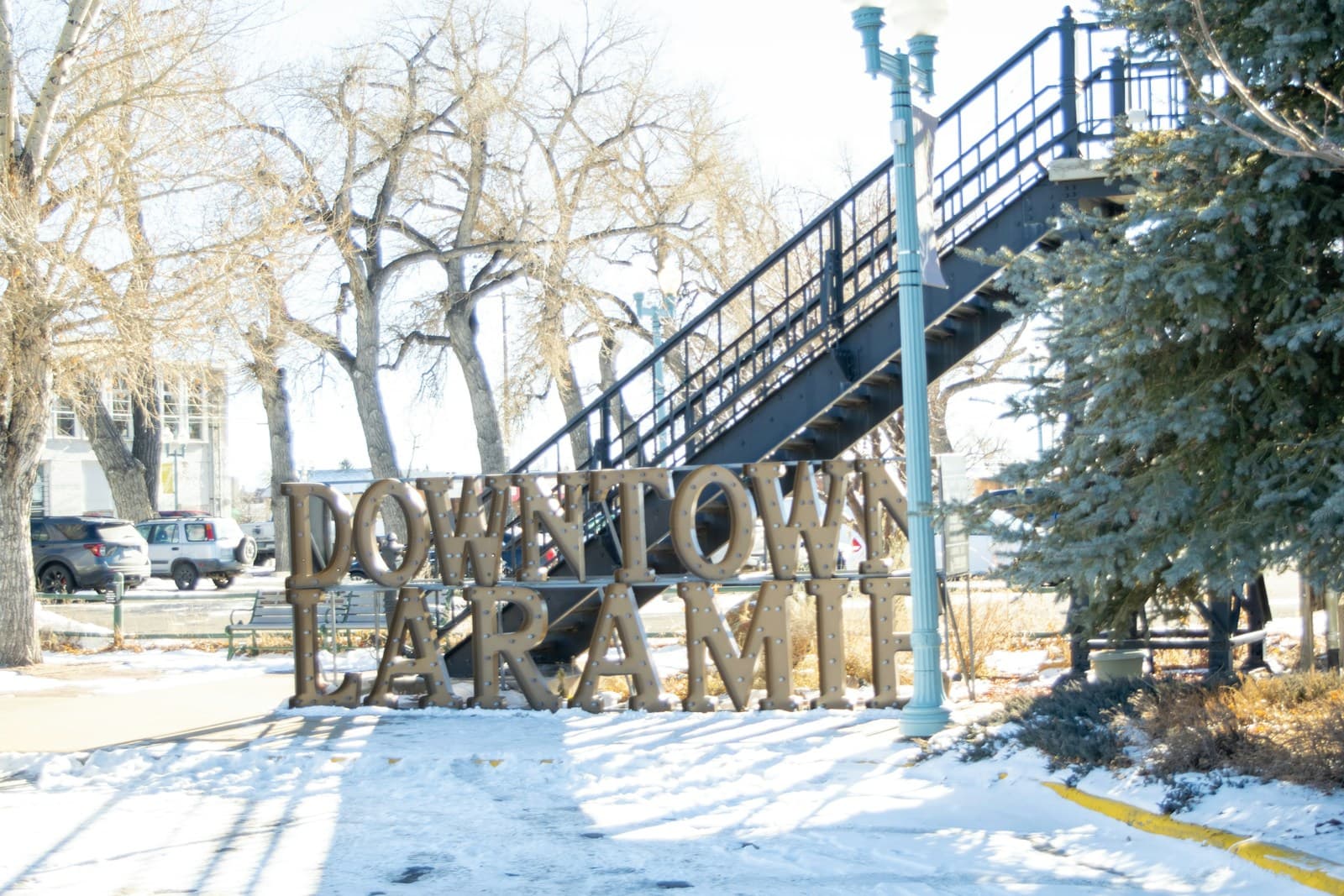
What Affects Rates in Laramie
- Winter Weather Driving Conditions: Laramie sits at 7,200 feet elevation along I-80, experiencing heavy snow, ice, and high winds from November through March. Post-SR22 drivers with weather-related at-fault accidents on their record face closer scrutiny from underwriters, and comprehensive coverage becomes significantly more expensive if prior claims involved ice or animal strikes common on Wyoming highways.
- Low Population Density and Claims Frequency: Albany County's population of approximately 38,000 means fewer total claims compared to urban markets, which can work in favor of post-SR22 drivers—carriers see less congestion risk. However, the limited number of local independent agents means fewer options for non-standard to standard insurance transitions, making online comparison essential.
- University of Wyoming Student Population: UW's enrollment of roughly 12,000 students creates seasonal traffic fluctuations and a younger driver pool that affects overall risk calculations. Post-SR22 drivers over 25 with stable employment histories can leverage this demographic contrast when shopping for competitive rates, as they present lower risk relative to the student population.
- I-80 Corridor High-Speed Travel: Laramie's location on Interstate 80—a major transcontinental freight route—means higher-speed accident exposure and more severe claims when collisions occur. Drivers transitioning off SR-22 after speed-related violations should expect underwriters to weigh their violation type against this high-speed corridor risk, particularly if the original offense occurred on I-80.
- Wind-Related Claims and Comprehensive Costs: Laramie experiences some of the highest sustained wind speeds in the nation, with gusts regularly exceeding 50 mph. Comprehensive coverage for post-SR22 drivers includes wind damage to vehicles, and carriers price this risk into policies—expect comprehensive premiums to remain 15–25% higher than in wind-sheltered Wyoming cities even after SR-22 removal.
Find out exactly how long SR-22 is required in your state
Coverage Recommendations
Cost estimates are based on available industry data and vary by driver profile. These are not insurance quotes.
Liability Insurance
Wyoming requires 25/50/20 minimums, but post-SR22 drivers should consider 100/300/100 limits as they transition back to standard carriers. Higher limits demonstrate financial responsibility to underwriters and cost only $15–$30/mo more, while significantly reducing personal exposure in at-fault accidents on high-speed I-80 corridor routes.
$45–$85/mo for state minimums; $60–$115/mo for 100/300/100Estimated range only. Not a quote.
Full Coverage
Combining liability, collision, and comprehensive coverage in Laramie typically runs $110–$185/mo for drivers within 12 months of SR-22 completion, based on available industry data. Vehicles financed through local credit unions or banks require full coverage, and bundling all three components often yields 10–15% multi-coverage discounts that improve rate competitiveness.
$110–$185/mo first year post-SR22Estimated range only. Not a quote.
Comprehensive Coverage
In Laramie, comprehensive covers wind damage, hail, animal strikes (deer and antelope collisions are frequent on Highway 287 and rural county roads), and theft. Post-SR22 drivers pay $35–$65/mo for comprehensive on vehicles valued at $15,000–$25,000, and this coverage becomes critical given Laramie's extreme weather exposure and wildlife density.
$35–$65/mo depending on vehicle valueEstimated range only. Not a quote.
Uninsured Motorist Coverage
Wyoming does not mandate uninsured motorist coverage, but approximately 6% of drivers statewide remain uninsured despite penalties. For post-SR22 drivers rebuilding financial stability, adding 100/300 UM coverage costs $10–$20/mo and protects against at-fault uninsured drivers—a worthwhile investment given the transient I-80 traveler population passing through Laramie.
$10–$20/mo for 100/300 limitsEstimated range only. Not a quote.