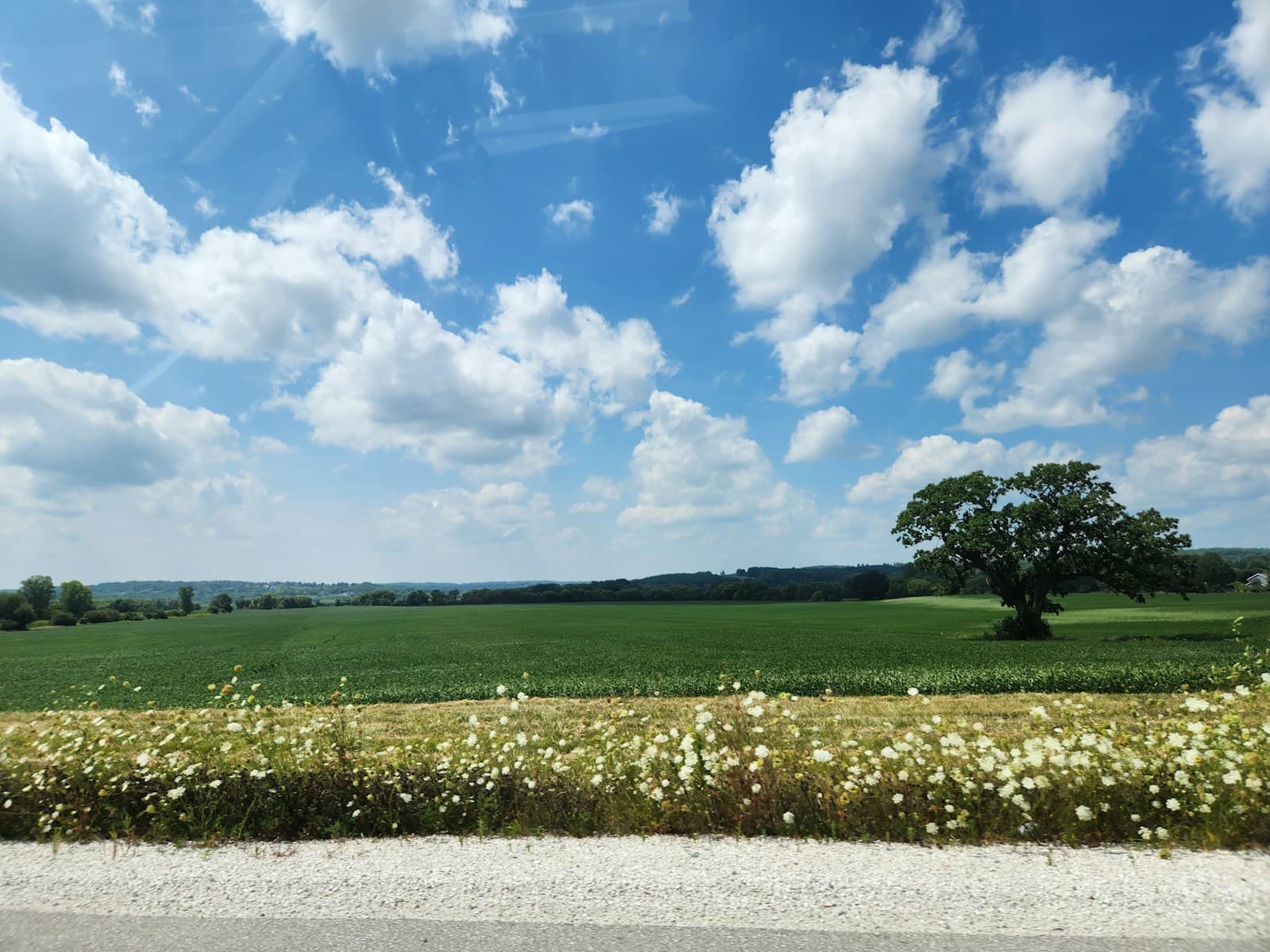
What Affects Rates in Waukesha
- I-94 Corridor Traffic Density: Waukesha's position along the I-94 corridor between Milwaukee and Madison means high-risk drivers face elevated premiums due to higher accident frequency on this heavily traveled route. Carriers price comprehensive and collision coverage 12–18% higher for drivers with prior at-fault accidents who commute via I-94 daily.
- Waukesha County Court SR-22 Processing: Waukesha County Circuit Court processes OWI cases with mandatory SR-22 filings, and the county DMV office at 515 W Moreland Blvd handles reinstatement paperwork. Drivers must obtain a clearance letter from the court showing completion of all sentencing requirements before the Wisconsin DMV will accept SR-22 filing removal requests.
- Winter Weather Collision Rates: Waukesha averages 46 inches of snowfall annually, and carriers assign higher comprehensive coverage rates to drivers with prior at-fault accidents during November–March. Post-SR22 drivers should expect winter-month premiums 8–15% above summer baselines if their violation history includes weather-related incidents.
- Suburban Carrier Competition: Waukesha's suburban profile attracts more standard carriers than Milwaukee's urban core, which benefits post-SR22 drivers once their filing ends. Non-standard carriers like The General and Bristol West dominate during the SR-22 period, but State Farm, Progressive, and GEICO actively compete for drivers 6–12 months after filing removal.
- Carroll University Student Population: Carroll University's campus near downtown Waukesha creates concentrated young-driver risk zones that affect area-wide rate calculations. High-risk drivers living within 1 mile of campus (zip 53186) typically see 6–10% higher premiums due to elevated accident frequency in this corridor.

Find out exactly how long SR-22 is required in your state
Coverage Recommendations
Cost estimates are based on available industry data and vary by driver profile. These are not insurance quotes.
Liability Insurance
Wisconsin requires 25/50/10 minimums, but post-SR22 drivers should carry 100/300/100 to demonstrate financial responsibility and access better carrier options. Waukesha agents report that drivers who maintained higher limits during their SR-22 period receive 15–20% better quote offers when transitioning back to standard insurance.
$65–$110/mo for 100/300/100 post-SR22Estimated range only. Not a quote.
Full Coverage
Combining liability, collision, and comprehensive is essential for post-SR22 drivers with financed vehicles in Waukesha, where winter weather and I-94 commute risks justify the protection. Expect to pay $155–$285/mo in the first year after SR-22 removal, dropping to $120–$210/mo by year three with a clean record.
$155–$285/mo first year post-filingEstimated range only. Not a quote.
Uninsured Motorist Coverage
Wisconsin does not mandate UM/UIM coverage, but Waukesha drivers completing SR-22 requirements should add it since their own violation history limits legal recovery options in not-at-fault accidents. Adding 100/300 UM costs $18–$35/mo and protects against the 11–14% of Wisconsin drivers who carry no insurance.
$18–$35/mo for 100/300 UMEstimated range only. Not a quote.
Comprehensive Coverage
Covers non-collision risks like deer strikes, hail, and theft — all relevant in Waukesha County where deer-vehicle collisions peak October–December. Post-SR22 drivers with prior at-fault claims face $500–$1,000 deductibles and $45–$80/mo premiums, but maintaining comprehensive without claims accelerates rate normalization.
$45–$80/mo with $500–$1,000 deductibleEstimated range only. Not a quote.