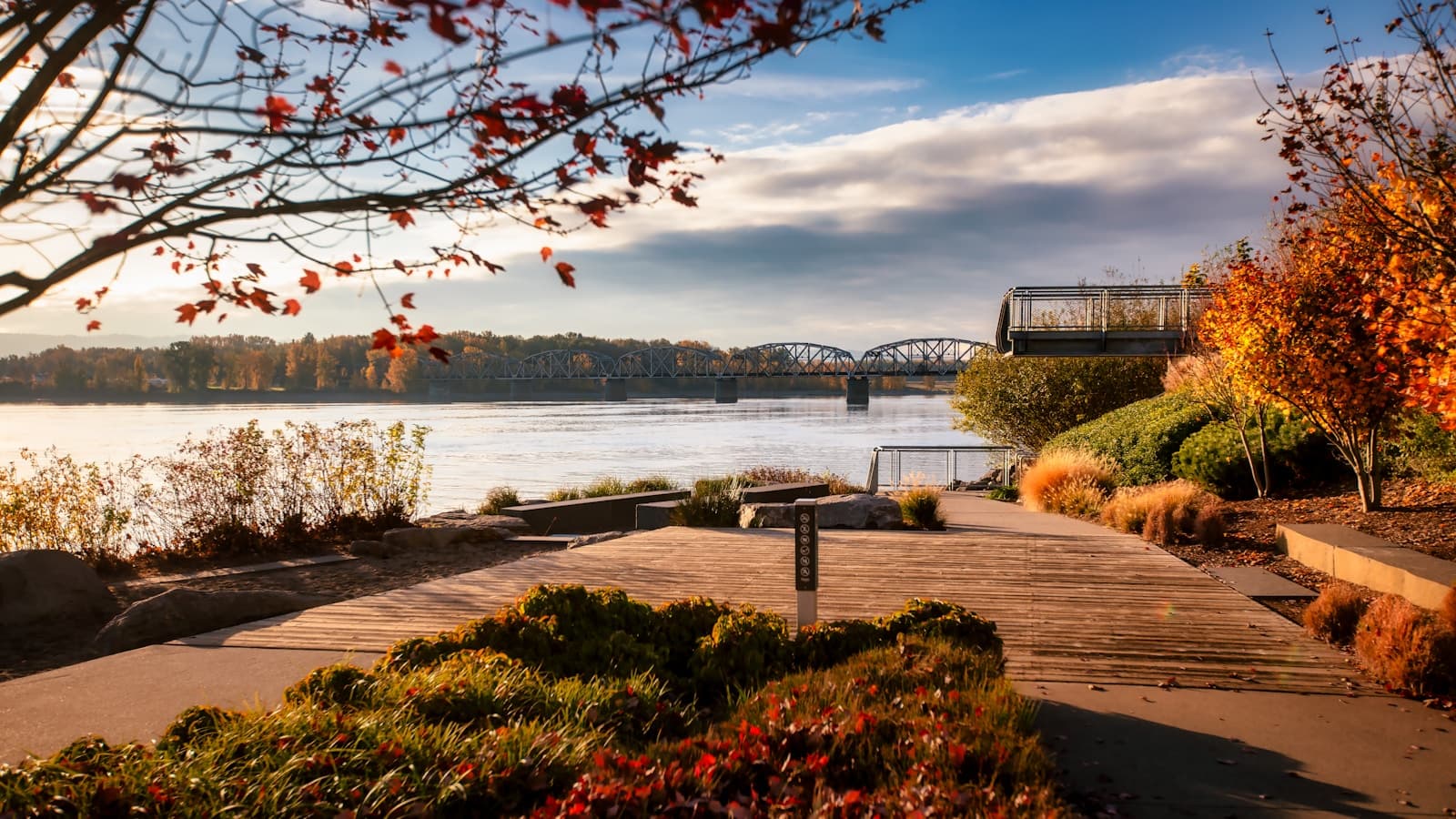
What Affects Rates in Vancouver
- Interstate Bridge Commute Patterns: Vancouver drivers crossing into Portland for work face higher risk scoring due to bridge congestion on I-5 and I-205, where rear-end collisions spike during peak hours. Carriers view daily interstate commutes as elevated exposure, adding $15–$40/month to post-SR22 premiums compared to drivers working locally.
- Clark County Court Processing: Clark County District Court handles DUI and reckless driving cases with completion timelines that directly affect SR-22 filing start dates—delays in court processing can extend the date your 3-year clock begins. Completing all court requirements before shopping for post-SR22 coverage ensures carriers see a clean completion date.
- Uninsured Driver Concentration: Washington's uninsured motorist rate runs approximately 16%, among the highest in the Pacific Northwest. Post-SR22 drivers in Vancouver benefit from adding uninsured motorist coverage, as even a not-at-fault accident with an uninsured driver can complicate rate recovery if you lack this protection.
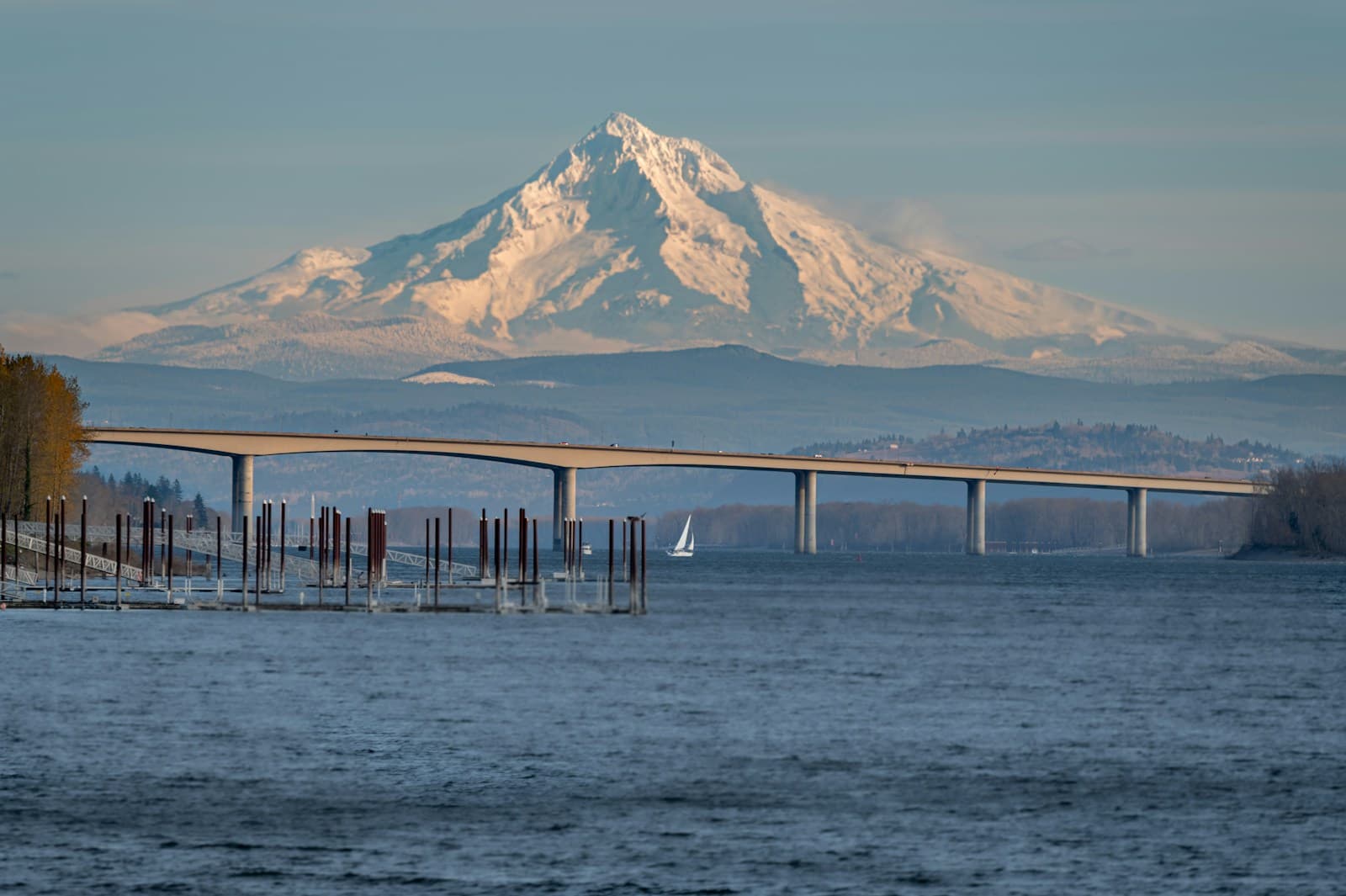
- Winter Weather Collision Patterns: Vancouver sees ice and freezing rain November through February, particularly on elevated roadways and the Glenn Jackson Bridge. Carriers track winter collision frequency when pricing post-SR22 policies—drivers with comprehensive coverage during their SR-22 period show lower lapse risk and qualify for better rates.
- State Route 14 and Rural Clark County: Drivers in east Vancouver and Camas using SR-14 face different risk profiles than urban-core residents due to higher speeds and wildlife collision exposure. Rural-address post-SR22 drivers may see marginally lower liability costs but higher comprehensive premiums than downtown Vancouver zip codes.
Find out exactly how long SR-22 is required in your state
Coverage Recommendations
Cost estimates are based on available industry data and vary by driver profile. These are not insurance quotes.
Liability Insurance
Washington requires 25/50/10 minimums, but post-SR22 drivers should carry 100/300/100 to protect assets and signal lower risk to future insurers. Upgrading liability limits during your final SR-22 year can reduce post-filing rates by 10–15% as carriers reward sustained higher coverage.
$80–$160/mo for 100/300/100 post-SR22Estimated range only. Not a quote.
Uninsured Motorist Coverage
With 16% of Washington drivers uninsured, this coverage protects your rate recovery if you're hit by someone without insurance. Adding uninsured/underinsured motorist coverage costs $15–$35/month but prevents a not-at-fault claim from derailing your post-SR22 rate improvement.
$15–$35/mo added costEstimated range only. Not a quote.
Comprehensive Coverage
Covers theft, vandalism, and weather damage common in Vancouver's winter months—freezing rain and windstorms cause tree-fall and ice damage. Maintaining comprehensive throughout your SR-22 period demonstrates continuous coverage, a key factor standard carriers review when offering post-filing quotes.
$35–$80/mo depending on vehicle valueEstimated range only. Not a quote.
Full Coverage
Liability plus collision and comprehensive bundled—essential if you're financing a vehicle or want to protect your equity. Post-SR22 drivers with 36 months of continuous full coverage qualify for standard-market rates 40% faster than those who carried state minimums only.
$180–$350/mo in first year post-SR22Estimated range only. Not a quote.