What Affects Rates in Kirkland
- SR-520 Corridor Accident Frequency: Kirkland sits on the SR-520 corridor between Seattle and Redmond, one of the Eastside's highest-traffic routes. Post-SR22 drivers face elevated premiums here due to regional accident density, particularly during weekday commute windows when rear-end collisions spike on bridge approaches and tolled express lanes.
- King County Court System Processing Times: Washington DOL requires proof of continuous SR-22 coverage for the full three-year period. King County District Court processes DUI and license suspension cases that trigger SR-22 requirements; any gap in coverage restarts your three-year clock, so maintaining uninterrupted payment during your filing period is critical to reaching your end date on schedule.
- Eastside Uninsured Driver Concentration: King County's uninsured driver rate typically runs 12–15%, slightly above the Washington state average. Post-SR22 drivers shopping for standard coverage should prioritize uninsured motorist protection, as a not-at-fault collision with an uninsured driver can still raise your rates if you file a claim under your own collision coverage.
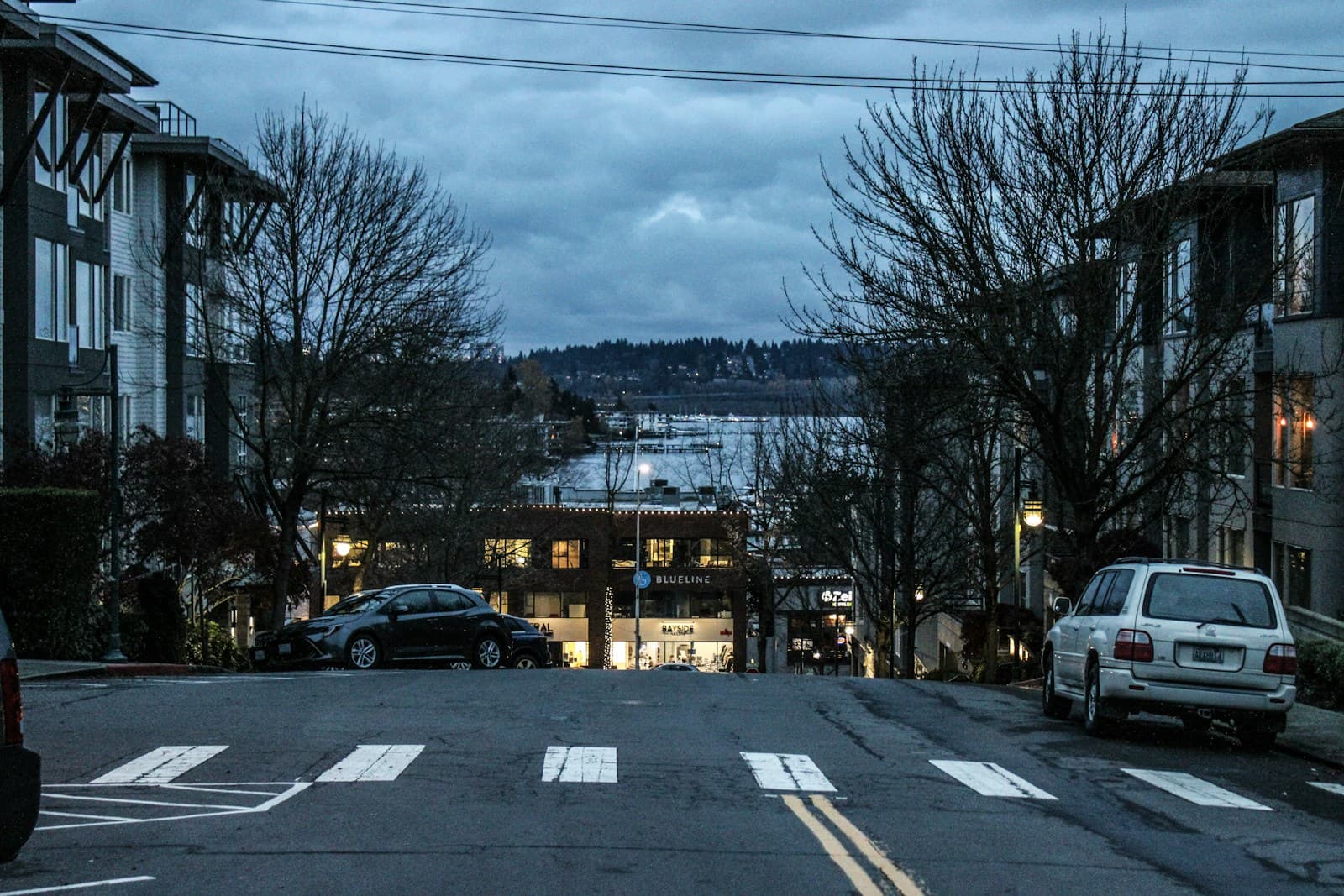
- Downtown Kirkland Pedestrian Zones: Kirkland's waterfront downtown area sees heavy pedestrian and cyclist traffic, particularly along Lake Street and Market Street. Carriers view urban pedestrian zones as higher-risk for drivers transitioning off SR-22, and any new at-fault incident involving a pedestrian will significantly delay rate normalization even after your filing period ends.
- Winter Weather on I-405: I-405 through Kirkland experiences periodic winter ice and reduced visibility during November–February. Drivers exiting SR-22 requirements should maintain comprehensive coverage through their first winter post-filing, as a weather-related at-fault accident can erase progress toward standard-rate eligibility.
Find out exactly how long SR-22 is required in your state
Coverage Recommendations
Cost estimates are based on available industry data and vary by driver profile. These are not insurance quotes.
Liability Insurance
Washington requires 25/50/10 minimum liability limits, but post-SR22 drivers in Kirkland should carry at least 100/300/100 to protect assets and demonstrate lower risk to standard carriers. Higher limits often reduce your rate per dollar of coverage and signal insurability to carriers competing for graduated SR-22 drivers.
$65–$140/mo post-SR22 for 100/300/100 limitsEstimated range only. Not a quote.
Full Coverage
Full coverage (liability + collision + comprehensive) is essential for financed vehicles and advisable for post-SR22 drivers in high-traffic Eastside areas. Bundling all three coverages typically costs 15–20% less than purchasing collision and comprehensive separately, and demonstrates financial responsibility to carriers evaluating your transition from non-standard insurance.
$140–$260/mo first year post-SR22Estimated range only. Not a quote.
Uninsured Motorist Coverage
With King County's 12–15% uninsured driver rate, uninsured motorist coverage protects you if a driver without insurance causes an accident. This coverage does not count against you in future underwriting and costs $15–$35/mo for 100/300 limits — a small premium for protecting your rate recovery after completing your SR-22 period.
$15–$35/mo for 100/300 UM limitsEstimated range only. Not a quote.
Comprehensive Coverage
Comprehensive covers non-collision losses like theft, vandalism, weather damage, and animal strikes. Kirkland's winter ice storms and urban vehicle theft patterns make comprehensive advisable for post-SR22 drivers; a comprehensive-only claim typically has less rate impact than an at-fault collision claim, preserving your progress toward standard rates.
$30–$70/mo with $500 deductibleEstimated range only. Not a quote.