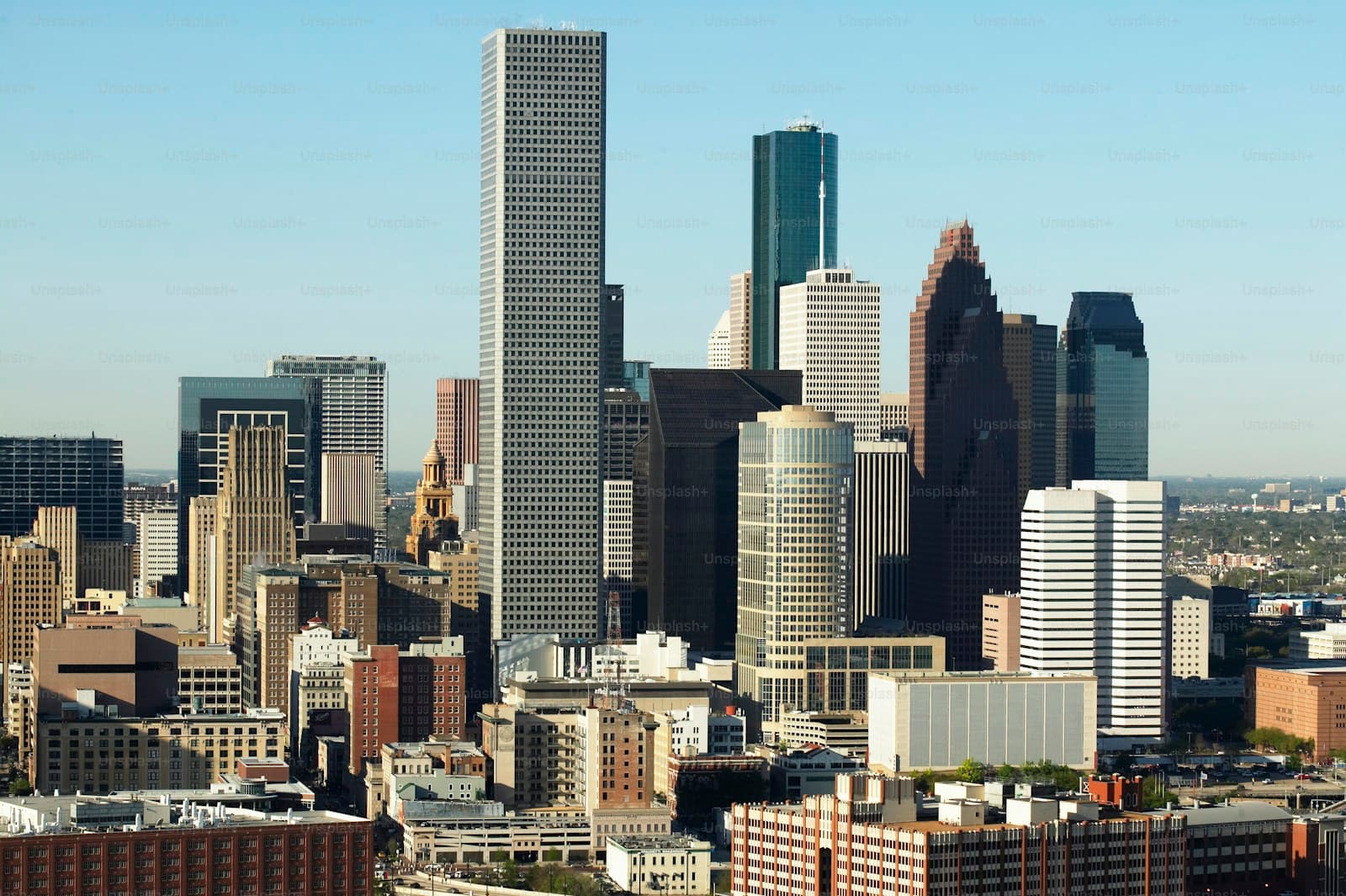
What Affects Rates in Houston
- Harris County Traffic Volume and Accident Density: Houston's 2.3 million residents and sprawling highway network—I-10, I-45, Beltway 8, and the 610 Loop—create elevated accident frequency that keeps post-SR22 rates higher than suburban Texas cities. Carriers price Houston ZIP codes 15–25% above state averages for drivers with recent violations due to claim concentration along major corridors.
- High Uninsured Motorist Concentration: Houston's uninsured driver rate of 13–15% is among the highest in major Texas metros, driving up uninsured motorist coverage costs for all drivers but especially those with SR-22 histories. Post-filing drivers should expect UM/UIM premiums 20–30% higher than in Austin or Dallas due to this risk pool.
- Flooding and Weather-Related Claims: Houston's flood risk—demonstrated in Harvey, Tax Day, and Memorial Day events—elevates comprehensive coverage costs for all drivers, but carriers apply stricter underwriting to post-SR22 applicants in flood-prone ZIP codes. Drivers in 100-year floodplains may face 25–40% higher comprehensive premiums than those in elevated areas.
- Texas DPS SR-22 Monitoring and Lapse Penalties: Texas DPS monitors SR-22 filings electronically; any lapse triggers immediate suspension notice. Once your 2-year requirement ends, Texas DPS does not automatically notify you—your insurer must file an SR-26 to release the requirement, and you must verify removal with DPS to avoid continued non-standard pricing.
- Competitive Standard Market Return Timeline: Houston's large insurance market means post-SR22 drivers have access to 15+ standard carriers willing to write coverage 12–24 months after filing removal, provided no new violations occur. Drivers who shop immediately after SR-26 filing see average savings of $60–$110/mo compared to staying with their non-standard carrier.

Find out exactly how long SR-22 is required in your state
Coverage Recommendations
Cost estimates are based on available industry data and vary by driver profile. These are not insurance quotes.
Liability Insurance
Texas requires 30/60/25 minimums, but post-SR22 drivers in Houston should carry 100/300/100 to protect against at-fault claims in a city where median collision repair costs exceed $4,200 and injury claims average $18,000–$35,000. Higher limits also signal lower risk to standard carriers, reducing your premium 6–12 months faster than minimum coverage.
$80–$160/mo for 100/300/100Estimated range only. Not a quote.
Uninsured Motorist Coverage
With 13–15% of Houston drivers uninsured, UM/UIM coverage is critical for post-SR22 drivers who cannot afford another at-fault claim or settlement. Texas requires insurers to offer UM/UIM equal to your liability limits; accepting this protects you in hit-and-run or uninsured accidents that would otherwise spike your rates again.
$25–$55/mo for 100/300/100 UM/UIMEstimated range only. Not a quote.
Comprehensive Coverage
Houston's flood risk, hail events, and vehicle theft rates make comprehensive coverage essential if you carry a loan or lease, but post-SR22 drivers pay 30–50% more than clean-record drivers due to lapse and violation history. Raising your deductible to $1,000 can cut comprehensive premiums by 20–30% while maintaining protection.
$45–$90/mo with $500 deductibleEstimated range only. Not a quote.
Full Coverage
Full coverage—liability, collision, and comprehensive combined—costs post-SR22 drivers in Houston $180–$320/mo in the first year after filing removal, dropping to $140–$240/mo by year two with clean driving. Shopping at least three standard carriers immediately after SR-26 filing is the fastest way to exit non-standard pricing.
$180–$320/mo first year post-filingEstimated range only. Not a quote.