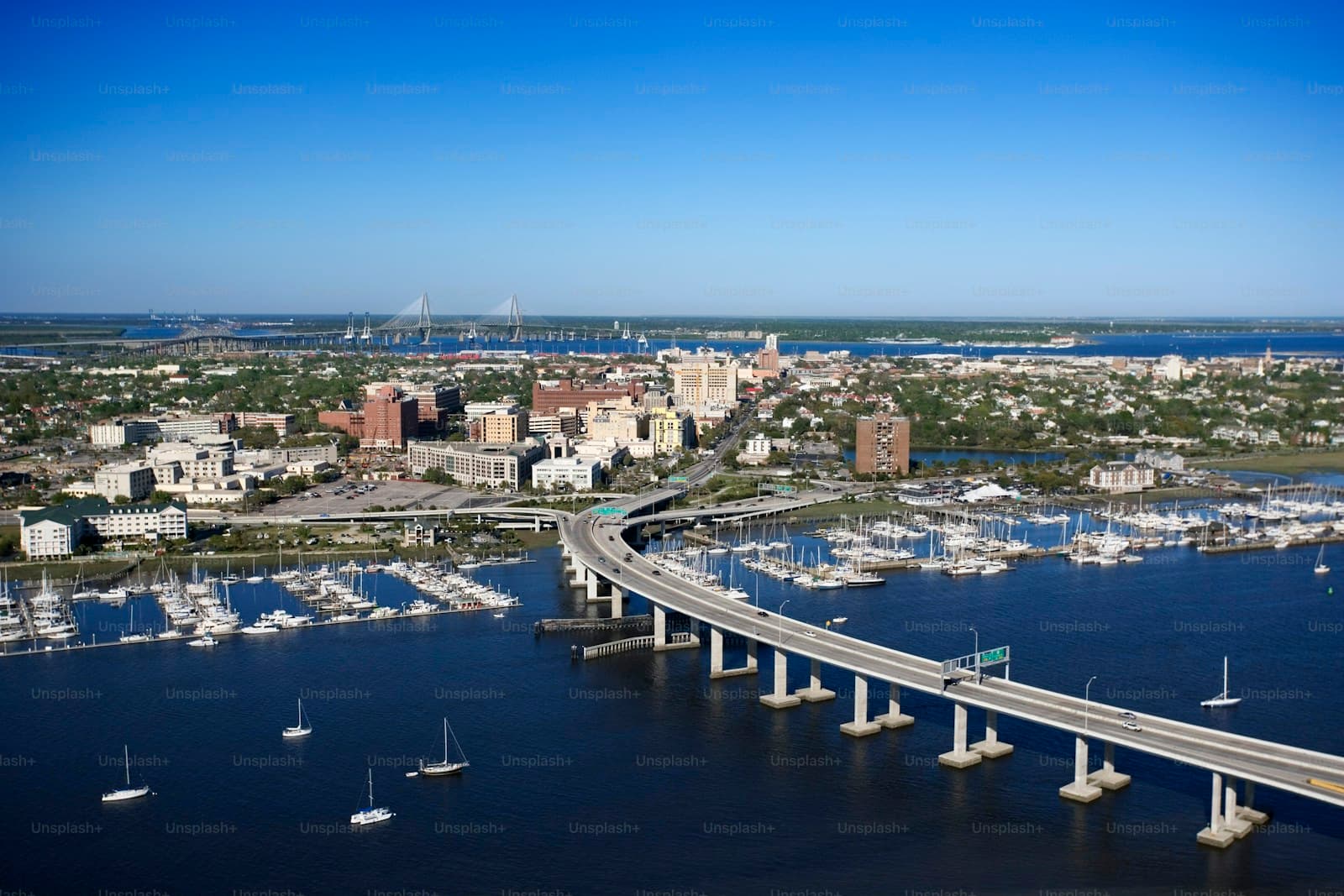
What Affects Rates in Charleston
- Downtown Charleston and tourist corridor density: The peninsula's narrow streets, historic district traffic restrictions, and year-round tourist volume create elevated accident frequency zones. Post-SR22 drivers with clean continuation records still face 8–15% higher base premiums in zip codes 29401–29403 compared to West Ashley or Mount Pleasant suburbs due to claim density.
- Hurricane and coastal flooding exposure: Charleston sits in a high-wind coastal zone with regular tidal flooding and hurricane risk. Comprehensive coverage—essential for post-SR22 drivers rebuilding full coverage—costs 20–30% more here than inland South Carolina cities due to storm claim history and flood-adjacent risks.
- Uninsured motorist concentration on I-26 and US-17 corridors: The I-26 corridor between North Charleston and Summerville, plus US-17 through Mount Pleasant, show higher uninsured driver encounter rates. Post-SR22 drivers dropping uninsured motorist coverage to save money risk significant out-of-pocket exposure in hit-and-run or underinsured at-fault scenarios common on these routes.
- SC DMV SR-22 release notification gap: South Carolina does not automatically notify you when your SR-22 filing period ends. You must contact your insurer to request the SR-22 be removed, then verify with SCDMV that the filing is released. Carriers continue charging non-standard premiums until you initiate this process—many drivers overpay 6–12 months simply by not knowing the requirement expired.
- Post-SR22 carrier competition in Charleston metro: Charleston's insurance market includes both standard carriers willing to write post-SR22 drivers with 3+ years clean records and regional carriers offering mid-tier pricing for the transition year. Shopping 4–6 carriers immediately after your filing ends typically surfaces $40–$80/month savings compared to staying with your SR-22-period non-standard insurer.
Find out exactly how long SR-22 is required in your state
Coverage Recommendations
Cost estimates are based on available industry data and vary by driver profile. These are not insurance quotes.
Liability Insurance
South Carolina's minimum—25/50/25—is too low for most post-SR22 drivers rebuilding financial credibility. Charleston's higher accident density and lawsuit-friendly jurisdiction make 100/300/100 limits the practical minimum. Post-SR22 drivers with clean records pay $60–$110/month for 100/300/100 liability in Charleston metro.
$60–$110/mo for 100/300/100 limitsEstimated range only. Not a quote.
Full Coverage
Full coverage (liability + collision + comprehensive) is the fastest way to demonstrate financial responsibility and accelerate rate recovery post-SR22. In Charleston, full coverage for a driver 12 months past SR-22 expiration typically runs $140–$240/month depending on vehicle value and zip code, compared to $200–$350/month during the SR-22 filing period.
$140–$240/mo post-SR22Estimated range only. Not a quote.
Comprehensive Coverage
Comprehensive is non-negotiable in Charleston due to hurricane, hail, and coastal storm exposure. Post-SR22 drivers often drop this to save money, but a single storm event can cost more than 3 years of premiums. Expect $35–$75/month for comprehensive on a midsize sedan in Charleston metro zip codes.
$35–$75/mo in coastal zonesEstimated range only. Not a quote.
Uninsured Motorist Coverage
With South Carolina's uninsured driver rate near 11% statewide and higher concentrations on Charleston's I-26 and US-17 corridors, uninsured motorist coverage protects you from hit-and-run or judgment-proof at-fault drivers. Post-SR22 drivers rebuilding assets need this—it adds $15–$35/month for 100/300 UM limits in Charleston.
$15–$35/mo for 100/300 UMEstimated range only. Not a quote.