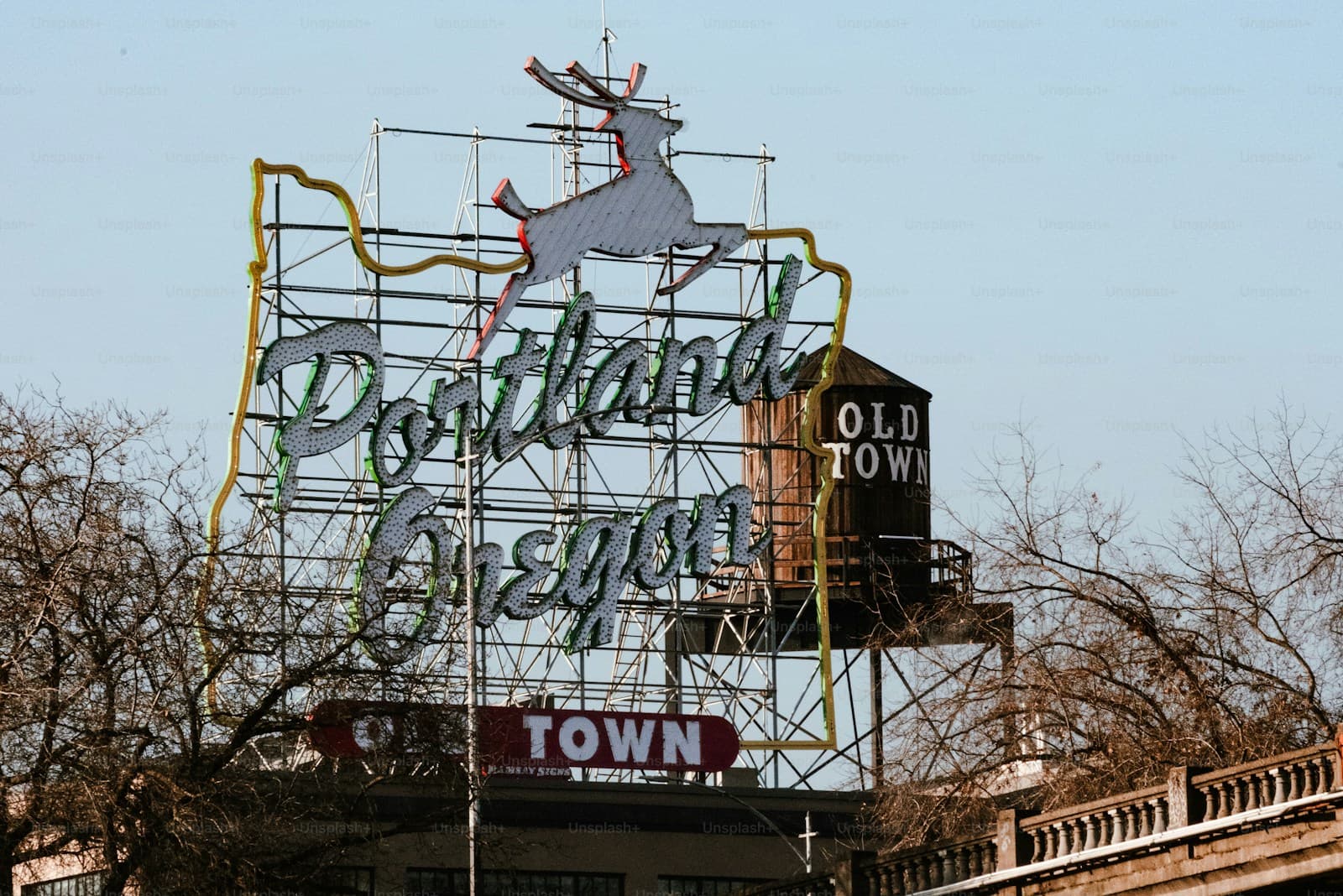
What Affects Rates in Portland
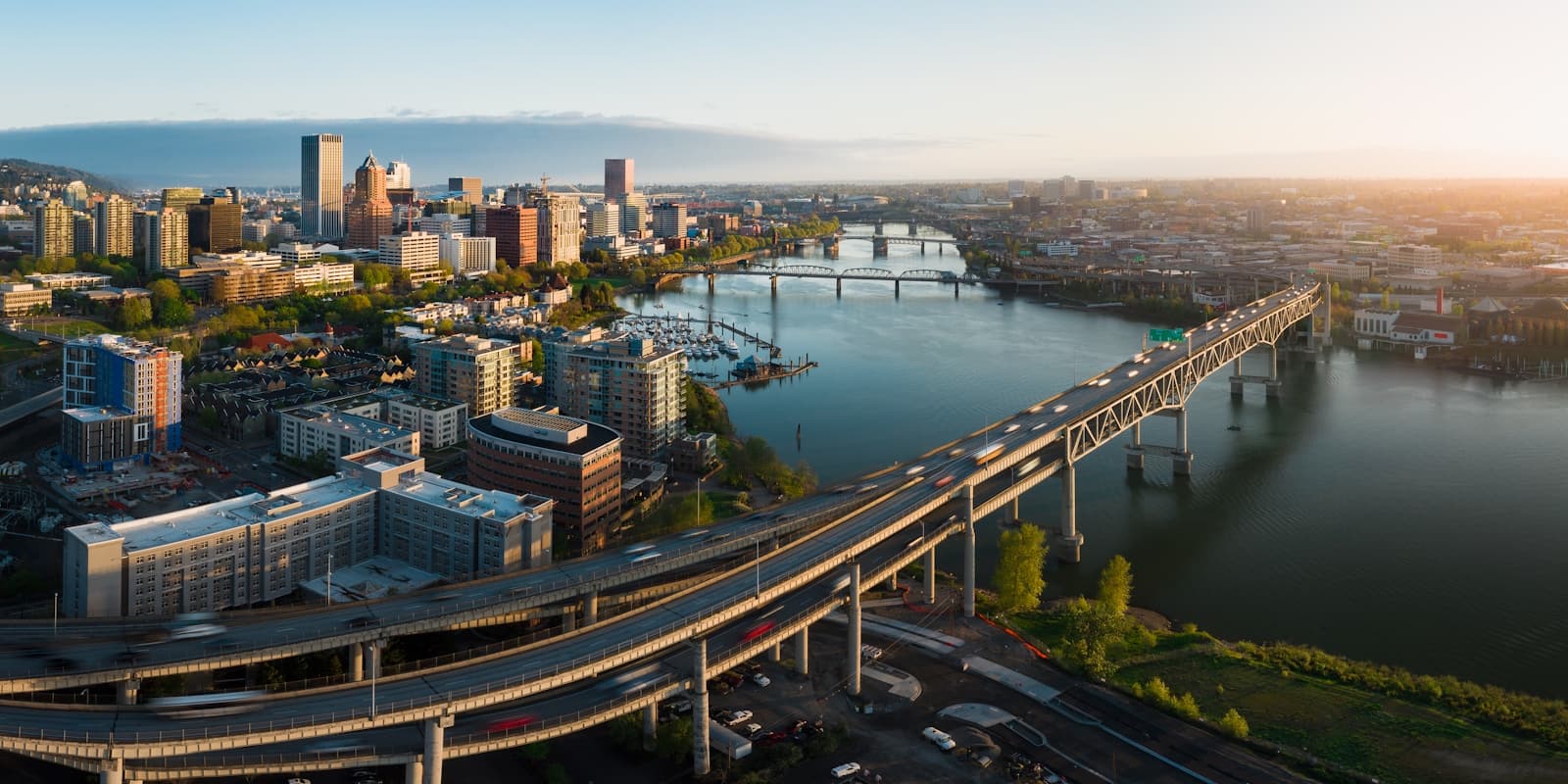
- Urban Traffic Density Downtown and Interstate Corridors: Portland's I-5 and I-84 congestion zones create elevated accident exposure for drivers transitioning off SR-22, which standard carriers weigh when pricing policies. Post-SR22 drivers with city center commutes typically see 10–15% higher premiums than suburban zip codes due to accident frequency data in the Pearl District and Lloyd District corridors.
- Multnomah County Court Processing for DUI Dismissals: Drivers who complete diversion programs through Multnomah County Circuit Court can request dismissal documentation to accelerate standard carrier underwriting. Carriers writing post-SR22 policies in Portland request certified court disposition letters showing completion, which can reduce rates 5–10% compared to relying on driving record abstracts alone.
- Uninsured Driver Rate in East Portland: East Portland zip codes 97216, 97233, and 97236 show higher uninsured motorist claim frequency, which affects uninsured motorist coverage pricing for post-SR22 drivers. Standard carriers price UM/UIM coverage 8–12% higher in these areas even after the SR-22 requirement ends.
- Oregon DMV Electronic Filing System: Oregon uses real-time electronic SR-22 monitoring, so lapses trigger immediate license suspension notices. When your 3-year requirement ends, the DMV receives automatic notification from your insurer — you do not need to file paperwork, but you must confirm with the DMV that the filing cleared before switching carriers or dropping coverage.
- Winter Weather Claims in West Hills and Outer East: Portland's microclimates create localized ice and snow risks in hillside neighborhoods and outer east areas during November–February. Post-SR22 drivers in zip codes 97210, 97221, and 97236 face 5–8% higher comprehensive premiums due to weather-related claim patterns, even after the filing period ends.
Find out exactly how long SR-22 is required in your state
Coverage Recommendations
Cost estimates are based on available industry data and vary by driver profile. These are not insurance quotes.
Liability Insurance
Oregon requires 25/50/20 minimums, but post-SR22 drivers shopping for standard coverage should quote 100/300/100 limits — many carriers reserve their best rates for drivers who increase limits after the filing period ends. Portland's urban density and higher medical costs make underinsured motorist claims common, so standard carriers price liability tiers aggressively to attract post-SR22 graduates.
$60–$110/mo for 100/300/100 in first year post-SR22Estimated range only. Not a quote.
Uninsured Motorist Coverage
Oregon mandates UM/UIM coverage unless you reject it in writing, and post-SR22 drivers in Portland benefit from maintaining limits that match liability coverage. East Portland's higher uninsured driver concentration means claims frequency is elevated — standard carriers price UM/UIM at 12–18% of total premium for drivers transitioning off SR-22, compared to 8–10% for clean-record drivers.
$15–$30/mo added to liability-only policyEstimated range only. Not a quote.
Comprehensive Coverage
Vehicle theft rates in downtown Portland and the Lents neighborhood affect comprehensive pricing for post-SR22 drivers financing newer vehicles. Standard carriers writing post-SR22 policies price comprehensive based on garaging zip code — rates in 97202, 97214, and 97266 run 10–15% higher than West Hills or Lake Oswego addresses due to theft claim data.
$40–$80/mo for $500 deductible, varies by zip codeEstimated range only. Not a quote.
Full Coverage
Full coverage (liability + comprehensive + collision) for post-SR22 drivers in Portland typically costs $140–$220/month in the first year after filing ends, depending on vehicle value and zip code. Drivers who maintained continuous full coverage during the SR-22 period qualify for better standard carrier rates than those who carried state minimums only — underwriters view continuous comp/collision as positive risk behavior.
$140–$220/mo first year after SR-22 endsEstimated range only. Not a quote.