
What Affects Rates in Wilmington
- Coastal Hurricane Zone: Wilmington sits in North Carolina's highest hurricane exposure zone, which raises comprehensive coverage costs 15–25% compared to inland cities like Greensboro. Post-SR22 drivers adding comprehensive back after years of liability-only coverage face steeper premiums here due to named storm risk and saltwater corrosion exposure.
- College Station Road and Market Street Congestion: The College Road and Market Street corridors see elevated accident frequency during morning and evening commutes, with rear-end collisions concentrated near the Independence Boulevard interchange. Drivers with at-fault accidents on their record face higher liability premiums in zip codes 28403 and 28405 where claims density is highest.
- Uninsured Driver Rate: New Hanover County's uninsured motorist rate runs approximately 12–14%, above the state average of 10%. This drives uninsured motorist coverage costs higher, particularly for post-SR22 drivers whom carriers view as higher collision risk and therefore more exposed to uninsured claims.
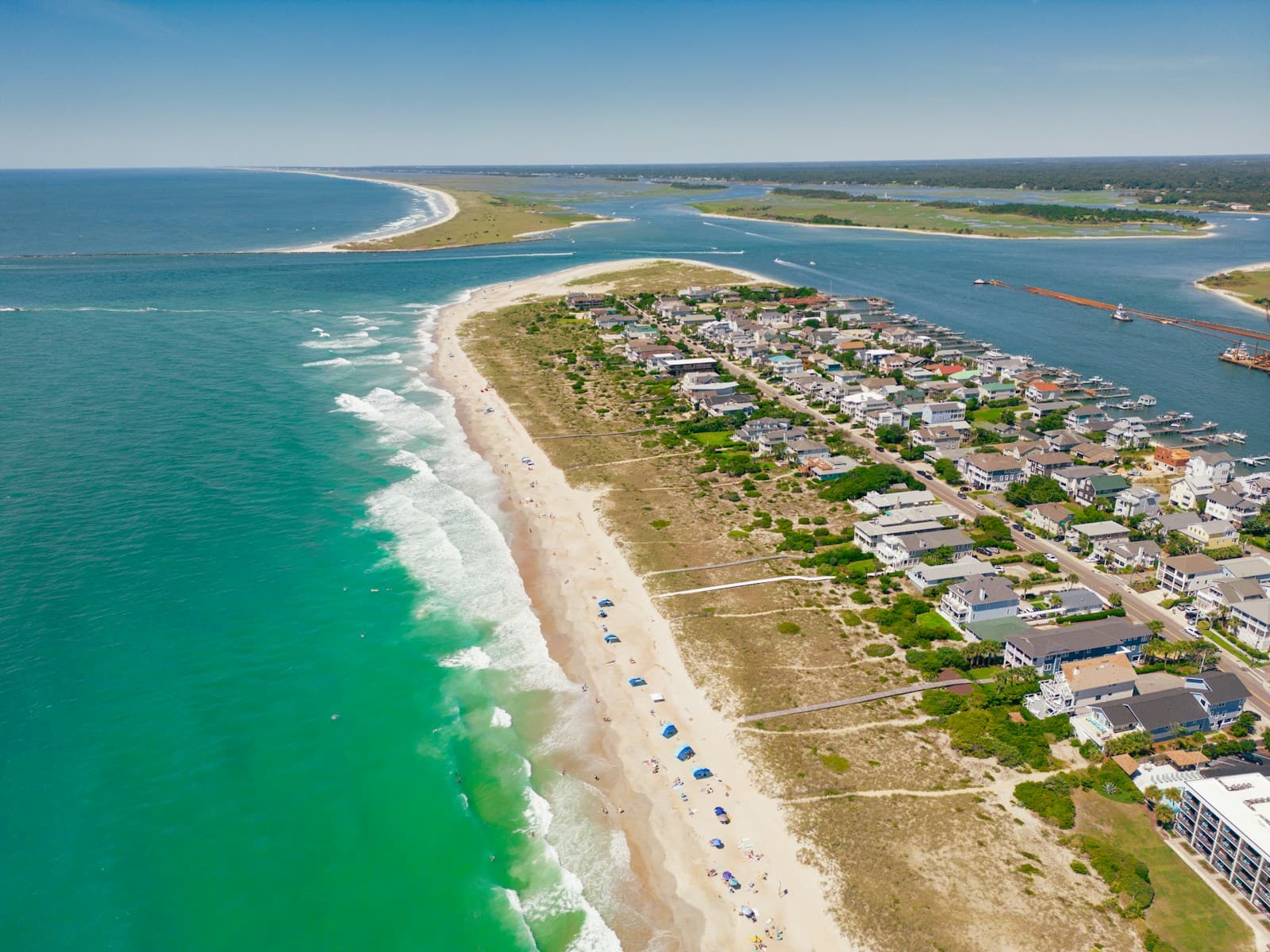
- Tourist Traffic Seasonality: Summer months bring tourist traffic volumes that double baseline congestion on routes to Wrightsville Beach and Carolina Beach, increasing collision frequency May–September. Carriers writing post-SR22 policies in Wilmington factor seasonal accident spikes into annual premiums, unlike inland markets with stable year-round traffic.
- Military Base Proximity: Camp Lejeune's proximity influences the local insurance market, with some carriers offering military affinity discounts that extend to recently clean-record drivers. Post-SR22 drivers with military connections can access preferred-tier pricing 6–12 months sooner than civilian counterparts through USAA, Navy Federal affiliates, and Geico's military programs.
Find out exactly how long SR-22 is required in your state
Coverage Recommendations
Cost estimates are based on available industry data and vary by driver profile. These are not insurance quotes.
Liability Insurance
North Carolina requires 30/60/25 minimum liability limits, but post-SR22 drivers shopping for standard coverage should carry 100/300/100 to qualify for preferred carrier underwriting. Wilmington's above-average uninsured driver rate and tourist collision exposure make higher liability limits a practical necessity, adding $20–$35/mo over state minimums.
$60–$110/mo for 100/300/100Estimated range only. Not a quote.
Uninsured Motorist Coverage
With 12–14% of New Hanover County drivers uninsured, this coverage protects you when an at-fault driver lacks insurance—critical for post-SR22 drivers rebuilding financial stability. North Carolina requires insurers to offer UM/UIM at limits matching your liability coverage unless you reject it in writing; declining it saves $15–$25/mo but leaves you exposed in a market with high uninsured rates.
$18–$32/mo for 100/300 UMEstimated range only. Not a quote.
Comprehensive Coverage
Covers hurricane damage, flooding, and saltwater corrosion—routine risks in Wilmington's coastal environment. Post-SR22 drivers adding comprehensive back after liability-only years face $400–$800 deductibles and monthly costs 20–30% higher than inland markets due to named storm exposure and the city's FEMA flood zone overlap.
$45–$85/mo with $500 deductibleEstimated range only. Not a quote.
Full Coverage
Combines liability, collision, and comprehensive into a complete package. Post-SR22 drivers in Wilmington transitioning to full coverage after three years of minimum liability typically pay $140–$240/mo in the first 12 months, dropping to $110–$180/mo after 24 months of violation-free driving as the SR-22 incident ages off carrier risk models.
$140–$240/mo first year post-SR22Estimated range only. Not a quote.