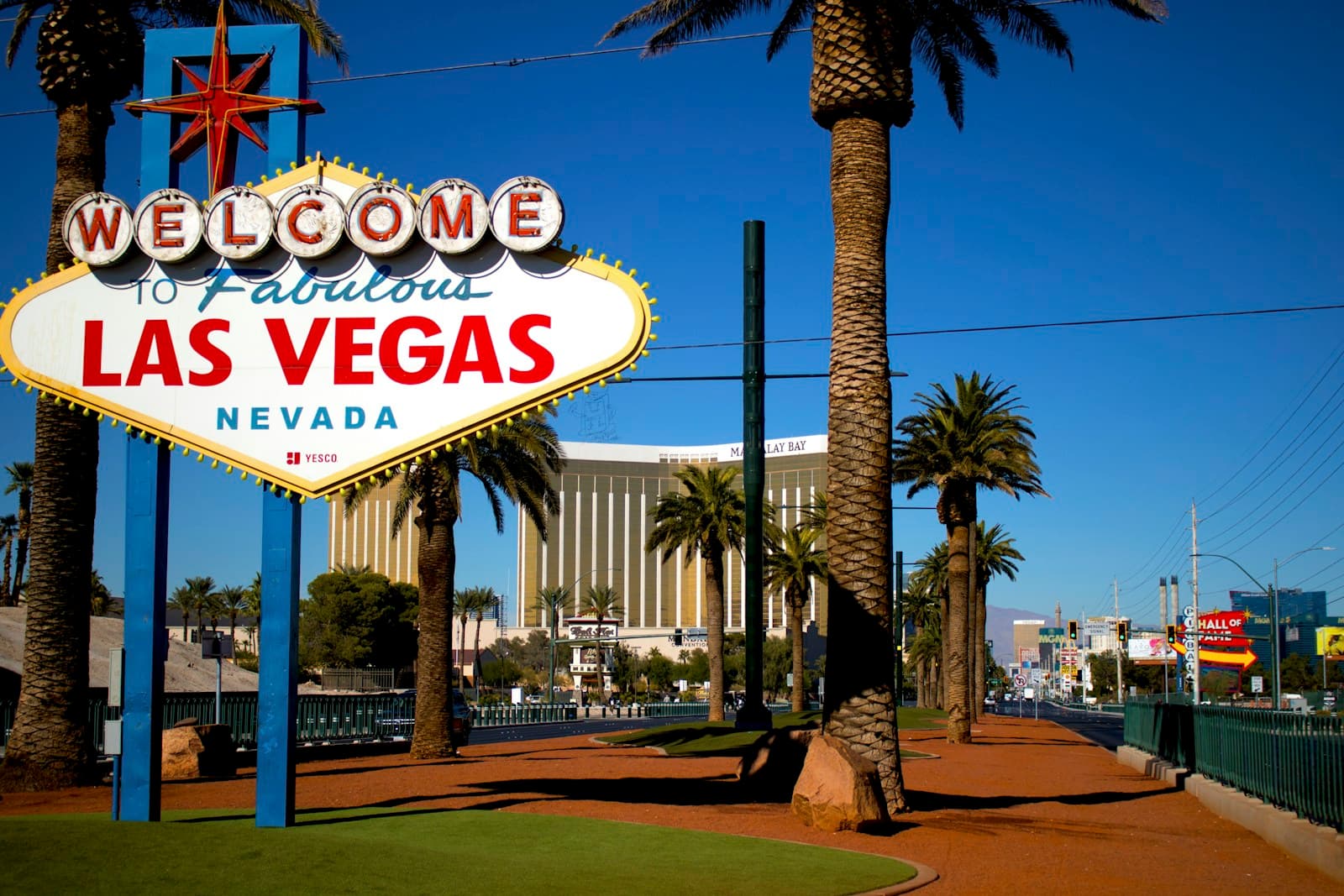
What Affects Rates in Las Vegas
- Las Vegas Boulevard and I-15 Accident Density: The Strip corridor and I-15 interchange zones see elevated accident frequency from tourist traffic and unfamiliar drivers, which pushes comprehensive and collision premiums 12–18% higher for post-SR22 drivers compared to suburban Henderson or Summerlin zip codes. Carriers price these zones differently even after your filing ends.
- High Uninsured Motorist Concentration: Las Vegas metro shows uninsured driver rates near 18%, above Nevada's state average, concentrated in areas east of the Strip and along Boulder Highway. Post-SR22 drivers should prioritize uninsured motorist coverage at higher limits — the $25,000 state minimum often proves insufficient in hit-and-run scenarios common in high-density areas.
- DMV Processing Timeline After SR22 Ends: Nevada DMV typically processes SR-22 termination notices within 10–15 business days once your insurer files the release, but Las Vegas metro backlog can extend this to 3 weeks during peak periods. Request written confirmation from DMV before shopping standard carriers to avoid denial for "active filing" status.
- 24-Hour Economy and Nighttime Exposure: Las Vegas operates around the clock, and carriers factor in elevated nighttime accident risk when pricing liability coverage. Post-SR22 drivers who commute late-night shifts or work casino/hospitality hours may see 8–12% higher premiums than day-shift drivers with identical records due to DUI arrest frequency peaks between 1–4 AM citywide.
- Flash Flood Risk and Comprehensive Claims: Summer monsoon flash floods hit Las Vegas valley roads hard, particularly low-lying areas near washes and the I-15/US-95 exchange. Comprehensive coverage pricing reflects this seasonal surge in water damage claims — post-SR22 drivers returning to full coverage can expect $15–$30/mo higher comp rates than Phoenix or Reno markets.
Find out exactly how long SR-22 is required in your state
Coverage Recommendations
Cost estimates are based on available industry data and vary by driver profile. These are not insurance quotes.
Liability Insurance
Nevada requires 25/50/20 minimums, but post-SR22 drivers in Las Vegas should carry 100/300/50 or higher given the city's high uninsured rate and tourist-heavy accident exposure. Raising liability limits from minimum to 100/300 typically adds $25–$45/mo but protects against underinsured claims common on Strip corridors.
$85–$190/mo for 100/300/50Estimated range only. Not a quote.
Uninsured Motorist Coverage
With nearly 1 in 5 Las Vegas drivers uninsured, UM coverage at 100/300 limits provides critical protection for post-SR22 drivers who've invested in rebuilding their record. This coverage costs $18–$35/mo and covers you when hit-and-run or uninsured drivers cause injury — scenarios that occur frequently in high-density areas east of downtown and along Boulder Highway.
$18–$35/mo for 100/300Estimated range only. Not a quote.
Full Coverage
Post-SR22 drivers returning to full coverage (liability + collision + comprehensive) in Las Vegas typically pay $165–$310/mo in the first year after filing ends, with rates dropping another 15–25% by year three if the record stays clean. Flash flood risk and high theft rates in certain zip codes push comprehensive rates higher than surrounding desert communities.
$165–$310/mo first year post-SR22Estimated range only. Not a quote.
Comprehensive Coverage
Comprehensive covers non-collision damage including flood, theft, and vandalism — all relevant in Las Vegas where summer monsoon floods damage thousands of vehicles annually and auto theft concentrates near casino parking structures and airport economy lots. Post-SR22 drivers can expect $45–$85/mo for comprehensive with a $500 deductible.
$45–$85/mo with $500 deductibleEstimated range only. Not a quote.