What Affects Rates in Butte
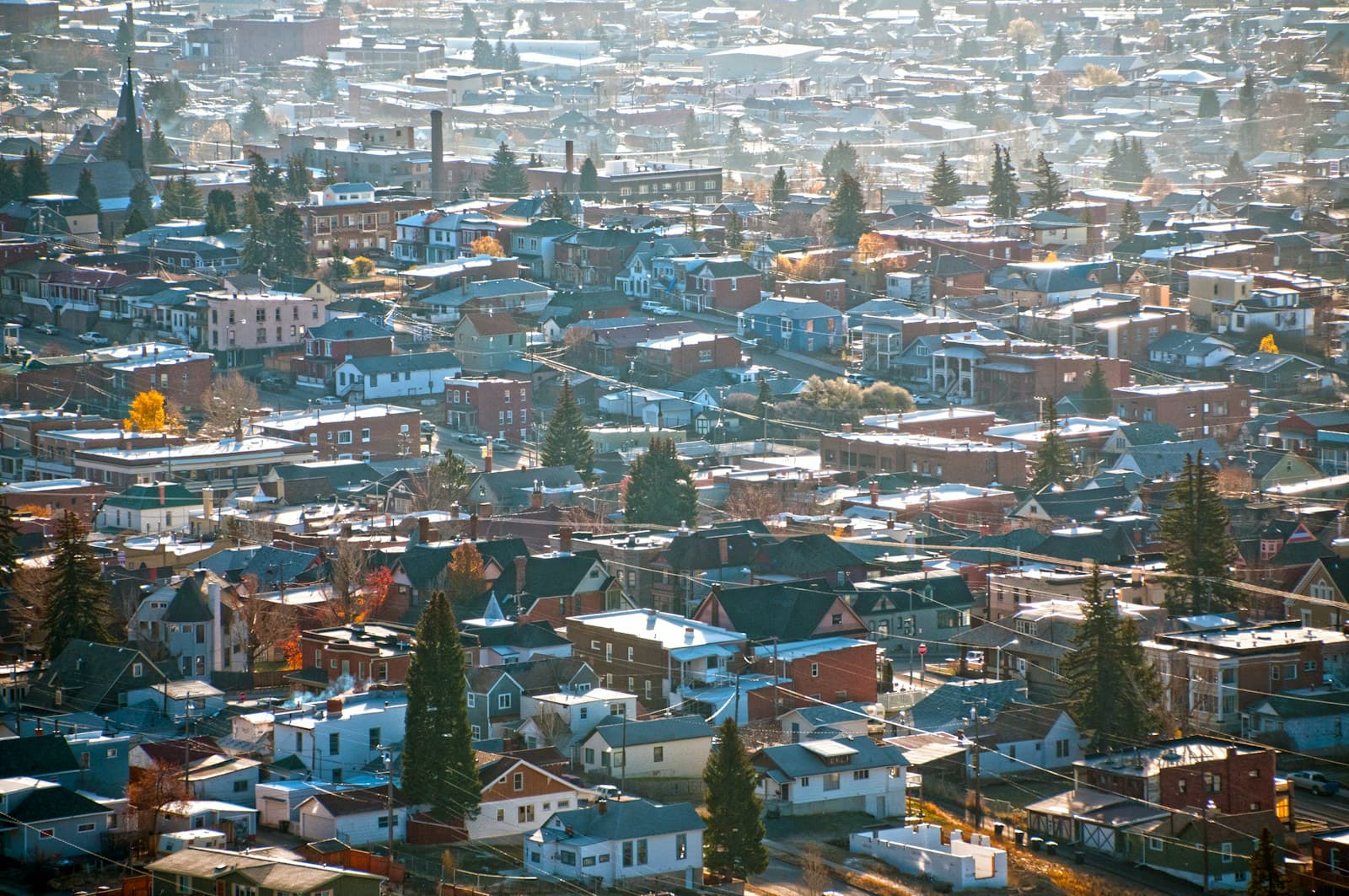
- Mining District Traffic Patterns: Butte's historic mining district creates concentrated commuter flow along Harrison Avenue and Continental Drive during shift changes, increasing accident exposure for high-risk drivers in these corridors. Violations in these zones often carry higher rate penalties due to congestion and pedestrian traffic near Berkeley Pit tourist areas.
- Elevation and Winter Severity: At 5,538 feet elevation, Butte experiences prolonged winter conditions from October through April, with frequent black ice on I-15 and I-90 interchanges. Drivers with prior at-fault accidents face steeper comprehensive and collision premiums due to seasonal claim frequency—winter weather claims in Butte typically run 40–60% higher than summer months.
- Rural Uninsured Motorist Exposure: Silver Bow County's mix of town and rural routes increases uninsured motorist risk, particularly on highways connecting to Anaconda and Whitehall. High-risk drivers should prioritize uninsured motorist coverage at 100/300 limits, as rural accident claims often involve drivers without coverage or minimum-only policies.
- Limited Non-Standard Carrier Competition: Butte's smaller market means fewer non-standard carriers maintain local agent offices, though most major high-risk insurers write policies here. Drivers completing SR-22 periods should shop 4–6 carriers immediately upon requirement end, as rate spread between providers can exceed $60/mo for identical coverage.
- DUI Enforcement Corridor: Montana Highway Patrol maintains active enforcement on I-15 and I-90 segments through Butte, and local courts impose mandatory SR-22 filing for DUI convictions. A Butte DUI typically adds $900–$1,800 annually to premiums during the 3-year SR-22 period, with rates normalizing over 5–7 years post-conviction if no further violations occur.
Find out exactly how long SR-22 is required in your state
Coverage Recommendations
Cost estimates are based on available industry data and vary by driver profile. These are not insurance quotes.
Liability Insurance
Montana requires 25/50/20 minimums, but high-risk drivers in Butte should carry 100/300/100 due to at-fault tort exposure and limited uninsured motorist recovery options. After SR-22 completion, upgrading to higher liability limits often costs less per month than reducing coverage, as standard carriers price bundled policies more competitively.
$50–$95/mo post-SR22 at 100/300/100 limitsEstimated range only. Not a quote.
Uninsured Motorist Coverage
Critical in Silver Bow County where rural routes increase exposure to drivers with lapsed or minimum coverage. Post-SR22 drivers can add 100/300 UM/UIM for $15–$30/mo, protecting against gaps in recovery when at-fault parties lack sufficient insurance—a common scenario on highways connecting Butte to smaller communities.
$15–$30/mo for 100/300 UM/UIMEstimated range only. Not a quote.
Comprehensive Coverage
Butte's severe winter weather, wildlife collisions on rural routes, and hail exposure make comprehensive essential for financed vehicles. Drivers transitioning off SR-22 see comprehensive rates drop 20–35% as they access standard carrier pricing, with typical deductibles of $500–$1,000 balancing premium cost against winter claim risk.
$25–$55/mo with $500 deductible post-SR22Estimated range only. Not a quote.
Full Coverage
Bundling liability, collision, and comprehensive after SR-22 completion delivers the steepest rate improvements—often 35–50% lower than non-standard pricing. Standard carriers competing for post-SR22 business in Butte price full coverage packages more aggressively than piecemeal policies, especially for drivers with 3+ years claim-free after their violation.
$110–$185/mo for full coverage post-SR22Estimated range only. Not a quote.