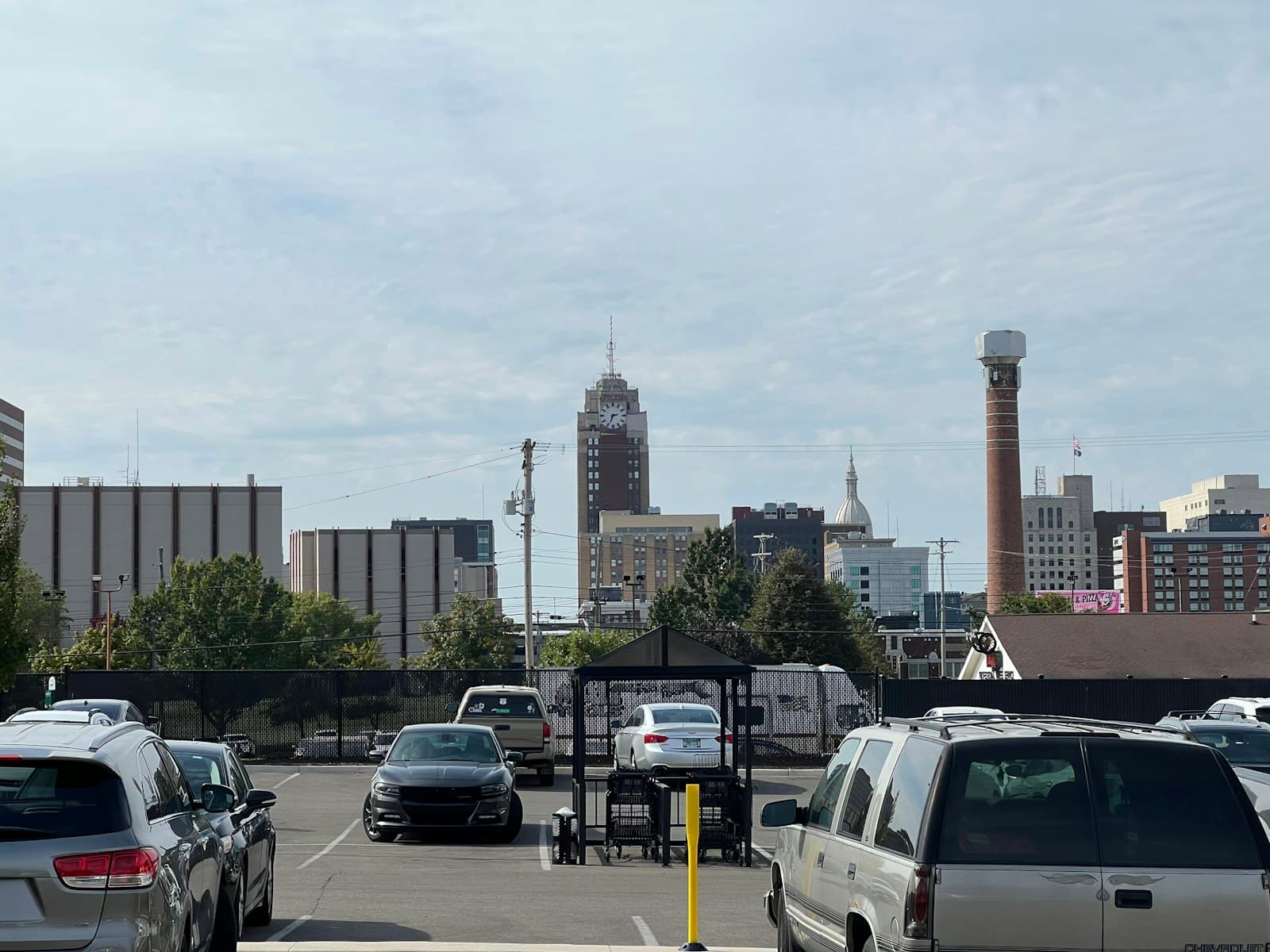
What Affects Rates in Lansing
- East Lansing University Corridor Traffic Density: The Michigan Avenue and Grand River Avenue corridors connecting downtown Lansing with East Lansing see elevated accident frequency due to student commuter volume and pedestrian crossings. Post-SR22 drivers with addresses in the 48912 and 48906 ZIP codes typically face 8–12% higher premiums than those in outer Lansing suburbs, even after their filing ends, due to loss ratios in these high-density zones.
- Michigan Secretary of State SR-22 Removal Process: Michigan does not automatically notify drivers when their SR-22 period ends — your insurer must file an SR-26 form with the Secretary of State to terminate the requirement. Drivers transitioning to a new carrier must verify the SR-26 was filed before canceling their non-standard policy, or the Secretary of State will suspend your license for lapses even after the 3-year period completes.
- Ingham County Court DUI Monitoring Compliance: Drivers whose SR-22 stemmed from an Ingham County 55th District Court DUI conviction often had additional alcohol monitoring conditions that extend beyond the 3-year filing period. Standard carriers review completion of all court-ordered programs — not just SR-22 duration — when underwriting post-filing applicants, and proof of program completion can reduce rates by an additional 10–15%.
- Winter Weather Claim Frequency: Lansing averages 51 inches of snow annually, with I-96 and I-496 corridors experiencing elevated collision rates from November through March. Post-SR22 drivers who add comprehensive coverage to protect against winter weather damage typically pay $35–$60/month more, but comprehensive claims do not carry the same surcharge weight as at-fault collisions when standard carriers reassess your file.
- Uninsured Motorist Rate in Greater Lansing: Approximately 18–20% of Michigan drivers operate without insurance, with concentrations in urban Ingham County. Post-SR22 drivers adding uninsured motorist coverage in Lansing typically pay $15–$25/month more than the state-required PIP minimums, but this coverage becomes critical if you're hit by an uninsured driver after completing your filing — a new at-fault accident would restart your high-risk status.

Find out exactly how long SR-22 is required in your state
Coverage Recommendations
Cost estimates are based on available industry data and vary by driver profile. These are not insurance quotes.
Liability Insurance
Michigan requires minimum liability limits of $50,000 per injury, $100,000 per accident, and $10,000 property damage. Post-SR22 drivers in Lansing who maintained only state minimums during their filing period should increase to 100/300/100 limits when transitioning to standard carriers — the cost difference is typically $20–$35/month, but it signals lower risk to underwriters and can accelerate your path to preferred rates.
$55–$110/mo for state minimums after SR-22 endsEstimated range only. Not a quote.
Full Coverage
Full coverage combining liability, collision, and comprehensive is essential for financed vehicles and becomes significantly more affordable after your SR-22 requirement ends. Lansing drivers who complete their 3-year filing with no new violations typically see full coverage drop from $240–$380/month during SR-22 to $140–$220/month in the first year after filing ends, based on available industry data; individual rates vary.
$140–$220/mo first year post-filingEstimated range only. Not a quote.
Comprehensive Coverage
Comprehensive covers non-collision losses like theft, vandalism, and weather damage — common in Lansing's winter climate and in higher-density neighborhoods near downtown. Post-SR22 drivers adding comprehensive typically pay $30–$55/month with a $500 deductible, and comprehensive claims do not trigger the same rate surcharges as at-fault collisions when standard carriers review your file for preferred tier eligibility.
$30–$55/mo with $500 deductibleEstimated range only. Not a quote.
Uninsured Motorist Coverage
With nearly 1 in 5 Michigan drivers uninsured, uninsured motorist coverage protects you if you're hit by someone without insurance after completing your SR-22 filing. Lansing drivers typically add this for $15–$28/month, and it's particularly valuable for post-filing drivers who cannot afford another at-fault claim on their record — an uninsured motorist claim will not reset your high-risk status the way an at-fault accident would.
$15–$28/mo for 100/300 limitsEstimated range only. Not a quote.