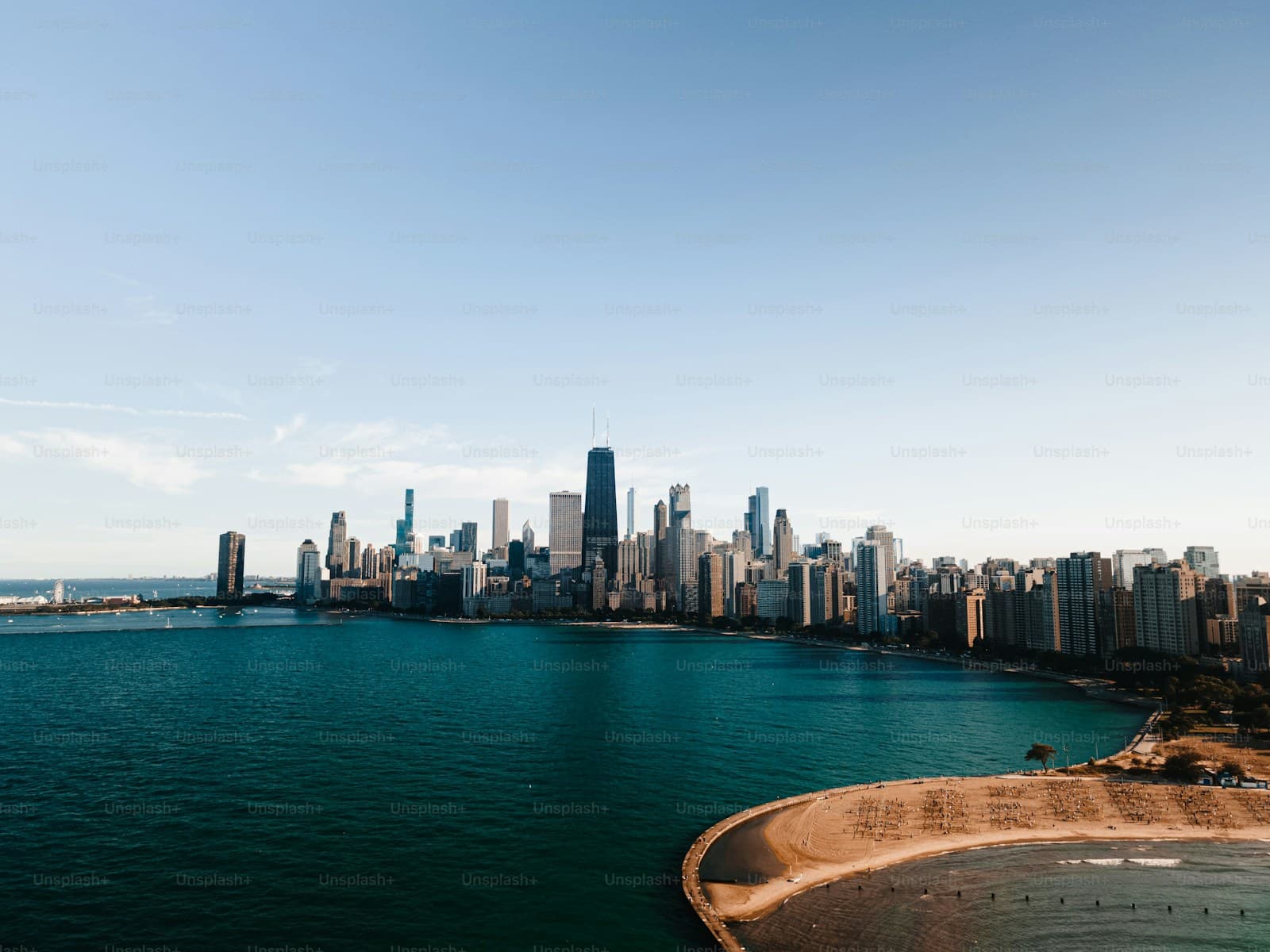
What Affects Rates in Chicago
- Downtown Loop and Expressway Congestion: Chicago's Dan Ryan, Kennedy, and Eisenhower expressways carry some of the highest traffic volumes in the Midwest, and the Loop's grid system concentrates thousands of daily commuters into a compact downtown area. Post-SR22 drivers shopping for coverage face higher base rates here because carriers price for both accident frequency in congested corridors and the elevated cost of urban collision repairs and medical claims.
- Cook County Court Processing Times: Cook County traffic courts handle tens of thousands of DUI and suspension cases annually, and processing delays can extend license reinstatement timelines by several weeks beyond the statutory three-year SR-22 filing period. If your SR-22 requirement is ending, confirm with the Illinois Secretary of State that your filing status shows compliant before you shop for new coverage—carriers verify this electronically, and an incomplete filing can trigger non-standard pricing even after the three years.
- High Uninsured Motorist Concentration: Cook County's uninsured driver rate hovers around 15%, significantly higher than suburban collar counties, which means even post-SR22 drivers with clean recent records pay more for uninsured motorist coverage in Chicago. Carriers price this coverage based on ZIP-level claims data, and neighborhoods with higher uninsured rates—especially parts of the South and West Sides—see premiums 20–30% above state averages for the same limits.
- Winter Weather Claim Spikes: Chicago's lake-effect snow and ice storms drive predictable spikes in comprehensive and collision claims every winter, particularly along Lake Shore Drive and on under-salted side streets. Post-SR22 drivers who maintain full coverage during their first year after the filing ends benefit most when rates normalize, because carriers reward continuous comprehensive/collision history—gaps in physical damage coverage reset your rate clock even if liability was maintained.
- Red Light Camera and Speed Enforcement: Chicago operates one of the nation's largest automated enforcement networks, with hundreds of red light and speed cameras concentrated in high-traffic corridors and school zones. While these violations typically don't appear on your driving record for insurance purposes, any resulting license suspension for unpaid fines will show up during carrier underwriting and can disqualify you from standard rates even after your original SR-22 requirement ends.
Find out exactly how long SR-22 is required in your state
Coverage Recommendations
Cost estimates are based on available industry data and vary by driver profile. These are not insurance quotes.
Liability Insurance
Illinois requires 25/50/20 minimums, but post-SR22 drivers in Chicago should carry 100/300/100 to protect against the higher medical and legal costs that come with urban accidents—a single intersection collision downtown can involve multiple vehicles, pedestrians, and bike commuters. Most standard carriers won't offer quotes to recently compliant drivers unless they carry at least 50/100/50, so upgrading limits is both a risk transfer and a market access decision.
$90–$150/mo for 100/300/100Estimated range only. Not a quote.
Uninsured Motorist Coverage
With roughly 15% of Cook County drivers uninsured, this coverage is essential even after your SR-22 ends—it pays your medical bills and lost wages if you're hit by an uninsured driver, which is statistically more likely in Chicago than in most Illinois suburbs. Post-SR22 drivers often skip this to reduce premiums, but a single hit-and-run on the Kennedy can result in five-figure medical bills that you'll pay out-of-pocket without UM coverage.
$20–$40/mo for 100/300 limitsEstimated range only. Not a quote.
Comprehensive Coverage
Comprehensive covers theft, vandalism, weather damage, and broken glass—all common in Chicago, where vehicle theft rates in certain neighborhoods exceed state averages and winter storms guarantee windshield claims. If you're transitioning off SR-22 and own your vehicle outright, maintaining comprehensive shows carriers continuous coverage history, which accelerates your path back to standard pricing and keeps you covered during the rate recovery period.
$50–$90/mo with $500 deductibleEstimated range only. Not a quote.
Full Coverage
Full coverage—liability, comprehensive, and collision combined—is the fastest way to rebuild your insurance profile after SR-22 compliance ends. Carriers view continuous full coverage as a strong risk signal, and most post-SR22 drivers who maintain it see standard-market offers within 12–18 months, compared to 24–36 months for those who carry only state minimums during the transition period.
$160–$280/mo in ChicagoEstimated range only. Not a quote.