What Affects Rates in Twin Falls
- US-93 and Blue Lakes Boulevard Corridor: Twin Falls sits at the junction of US-93 and I-84, with Blue Lakes Boulevard carrying high commercial and commuter traffic. Post-SR22 drivers in this corridor may see slightly higher uninsured motorist coverage costs due to elevated accident frequency on these routes.
- Rural Highway Exposure: Twin Falls residents frequently drive rural stretches of US-93 and Highway 30, where response times are longer and accident severity is higher. Carriers factor this into comprehensive and collision pricing for drivers transitioning off SR-22.
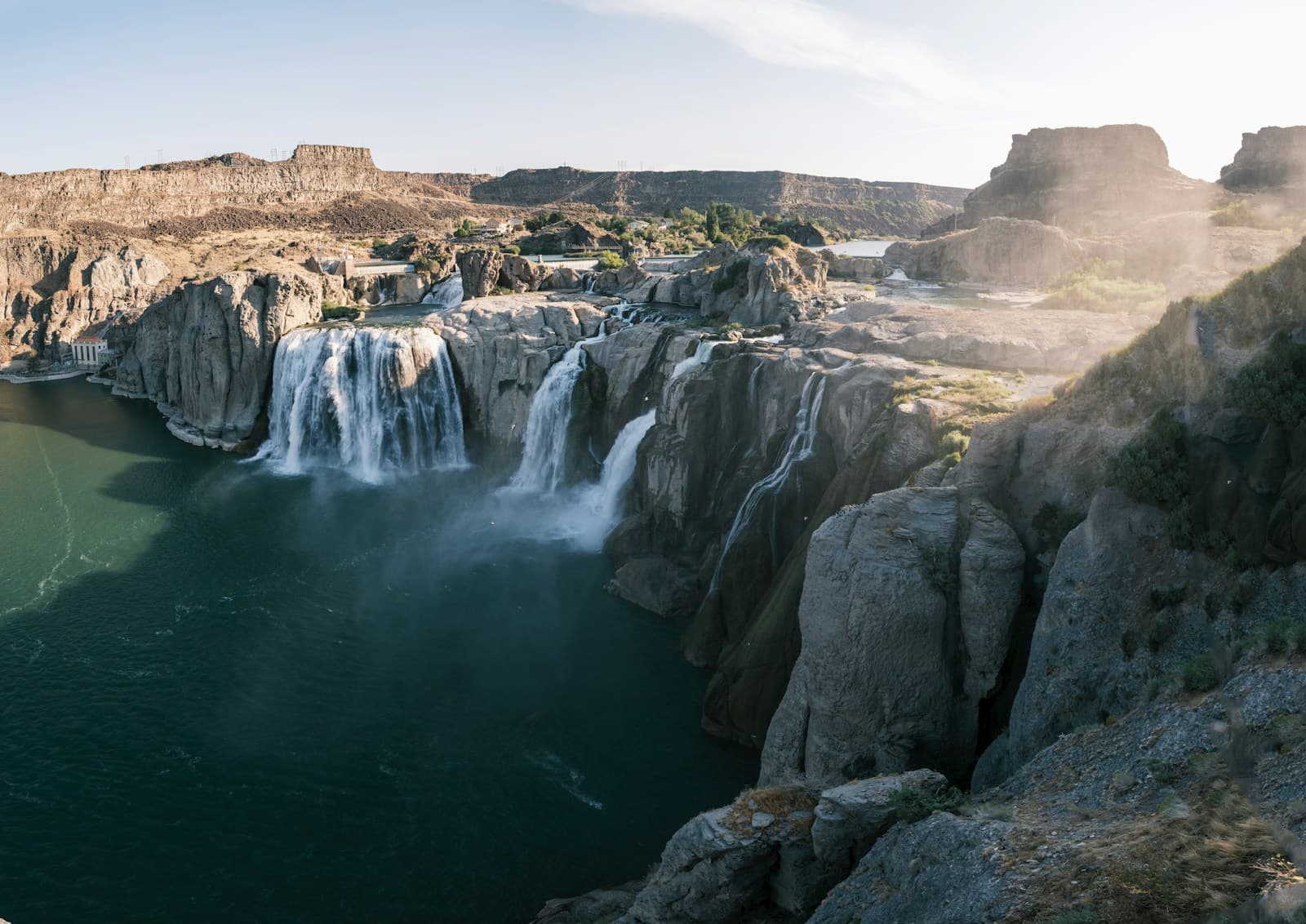
- Perrine Bridge and Canyon Area: The Perrine Bridge area draws tourist traffic and recreational vehicles, creating seasonal congestion and collision risk. Drivers exiting SR-22 should expect uninsured motorist coverage to remain elevated compared to urban markets with more consistent enforcement.
- Winter Weather on Canyon Rim Roads: Twin Falls experiences ice and snow on canyon rim roads from November through March, increasing single-vehicle and chain-reaction accidents. Post-SR22 drivers often see comprehensive coverage costs 15–25% higher than summer-only risk profiles in warmer Idaho cities.
- Idaho Transportation Department Office in Twin Falls: Twin Falls hosts an Idaho Transportation Department office that processes SR-22 terminations and reinstatements. Drivers completing their 3-year requirement should request written confirmation of filing termination directly from this office to ensure no administrative lag delays their transition to standard insurance.
Find out exactly how long SR-22 is required in your state
Coverage Recommendations
Cost estimates are based on available industry data and vary by driver profile. These are not insurance quotes.
Liability Insurance
Idaho requires 25/50/15 minimum limits, but post-SR22 drivers in Twin Falls should carry 100/300/50 to protect against underinsured claims on rural highways. Moving from state minimums to 100/300/50 typically adds $20–$40/mo but dramatically reduces personal exposure in serious accidents.
$60–$110/mo for 100/300/50 limitsEstimated range only. Not a quote.
Uninsured Motorist Coverage
Rural Idaho counties have higher uninsured driver rates than the state average, and Twin Falls sits at the edge of this exposure. Post-SR22 drivers should prioritize uninsured/underinsured motorist coverage at 100/300 limits to match their liability—this adds $15–$30/mo but is critical on US-93 and other rural corridors.
$15–$30/mo for 100/300 limitsEstimated range only. Not a quote.
Comprehensive Coverage
Comprehensive covers weather damage, wildlife strikes, and theft—all elevated risks in Twin Falls due to winter ice, deer on Highway 30, and vehicle theft in rural parking areas. Post-SR22 drivers financing a vehicle will need this; even if paid off, the $8–$25/mo cost is justified by local claim frequency.
$8–$25/mo with $500 deductibleEstimated range only. Not a quote.
Full Coverage
Full coverage (liability + collision + comprehensive) is the baseline for post-SR22 drivers rebuilding their insurance profile in Twin Falls. Expect $120–$185/mo in the first 12 months after SR-22 ends, dropping to $90–$140/mo by month 24 if no new violations occur.
$120–$185/mo first year post-SR22Estimated range only. Not a quote.