What Affects Rates in Pocatello
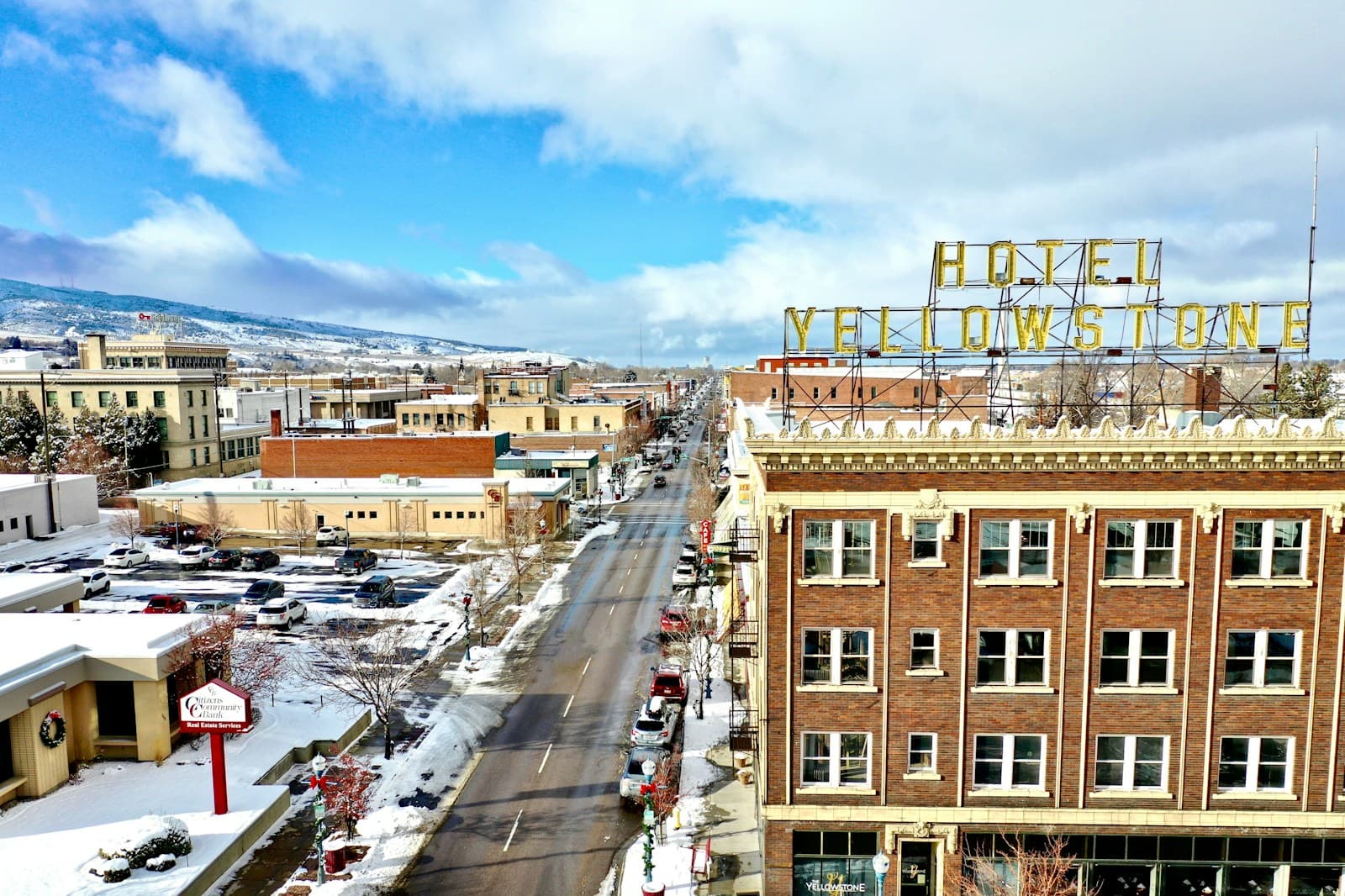
- Winter Driving Conditions: Pocatello's high-elevation location brings an average of 44 inches of snow annually, with frequent ice from November through March. Post-SR22 drivers with weather-related accidents during their filing period often see comprehensive coverage costs 15–25% higher than drivers with only moving violations, as carriers assess winter collision risk in this region.
- I-15 and I-86 Corridor Traffic: Pocatello sits at the intersection of I-15 and I-86, creating higher-than-average interstate traffic for a city of 56,000 residents. Drivers transitioning off SR-22 with speeding violations on these corridors typically face liability premiums $20–$35/mo higher than those with violations on local roads, as interstate citations carry more weight with underwriters.
- Bannock County Court Processing Times: Bannock County processes SR-22 releases through the Idaho Transportation Department, with most notifications reaching the ITD within 5–7 business days after your final SR-22 date. Drivers who proactively request confirmation from ITD before shopping for new coverage can begin the transition to standard carriers 1–2 weeks faster than those who wait for automatic processing.
- Rural Uninsured Driver Exposure: Idaho's estimated uninsured motorist rate runs 7–9%, with higher concentrations in rural areas surrounding Pocatello. Post-SR22 drivers dropping uninsured motorist coverage to lower premiums risk significant out-of-pocket costs — UM coverage typically adds $12–$22/mo but covers up to policy limits if hit by an uninsured driver on Highway 30 or rural Bannock County roads.
- ISU Student Population Impact: Idaho State University's 12,000-student population concentrates younger drivers in central Pocatello, particularly near campus zones where fender-benders are more frequent. Post-SR22 drivers over 25 living outside the ISU corridor (east of Satterfield or south of Chubbuck) typically see collision premiums 8–15% lower than those near campus, as loss ratios differ significantly by ZIP code.
Find out exactly how long SR-22 is required in your state
Coverage Recommendations
Cost estimates are based on available industry data and vary by driver profile. These are not insurance quotes.
Liability Insurance
Idaho requires 25/50/15 minimum liability limits, but post-SR22 drivers shopping for standard coverage should consider 100/300/100 limits. The premium difference in Pocatello runs $25–$45/mo more, but protects assets if you're at-fault in a winter multi-car pileup on I-15 where medical costs escalate quickly.
$50–$90/mo for state minimums; $75–$135/mo for 100/300/100Estimated range only. Not a quote.
Full Coverage
Full coverage (liability + collision + comprehensive) for post-SR22 drivers in Pocatello typically costs $80–$140/mo in the first year after filing ends, dropping to $65–$110/mo by year three as the violation ages. Drivers with vehicles financed through local credit unions like Idaho Central or Pocatello-based lenders must maintain full coverage as a loan condition.
$80–$140/mo first year post-SR22; $65–$110/mo by year threeEstimated range only. Not a quote.
Comprehensive Coverage
Comprehensive covers non-collision losses — critical in Pocatello given winter hail, wildlife strikes on Highway 30 east toward Soda Springs, and theft rates in downtown and Chubbuck areas. Post-SR22 drivers can expect $18–$35/mo for comprehensive with a $500 deductible, with costs rising 20–30% if your SR-22 period included a comprehensive claim.
$18–$35/mo with $500 deductibleEstimated range only. Not a quote.
Uninsured Motorist Coverage
Uninsured motorist coverage protects you when hit by a driver with no insurance — particularly relevant given Idaho's 7–9% uninsured rate and rural roads around Pocatello where enforcement is lighter. Adding UM/UIM coverage typically costs $12–$22/mo and mirrors your liability limits, covering medical bills and lost wages that would otherwise come out-of-pocket.
$12–$22/mo for 100/300 UM/UIM limitsEstimated range only. Not a quote.