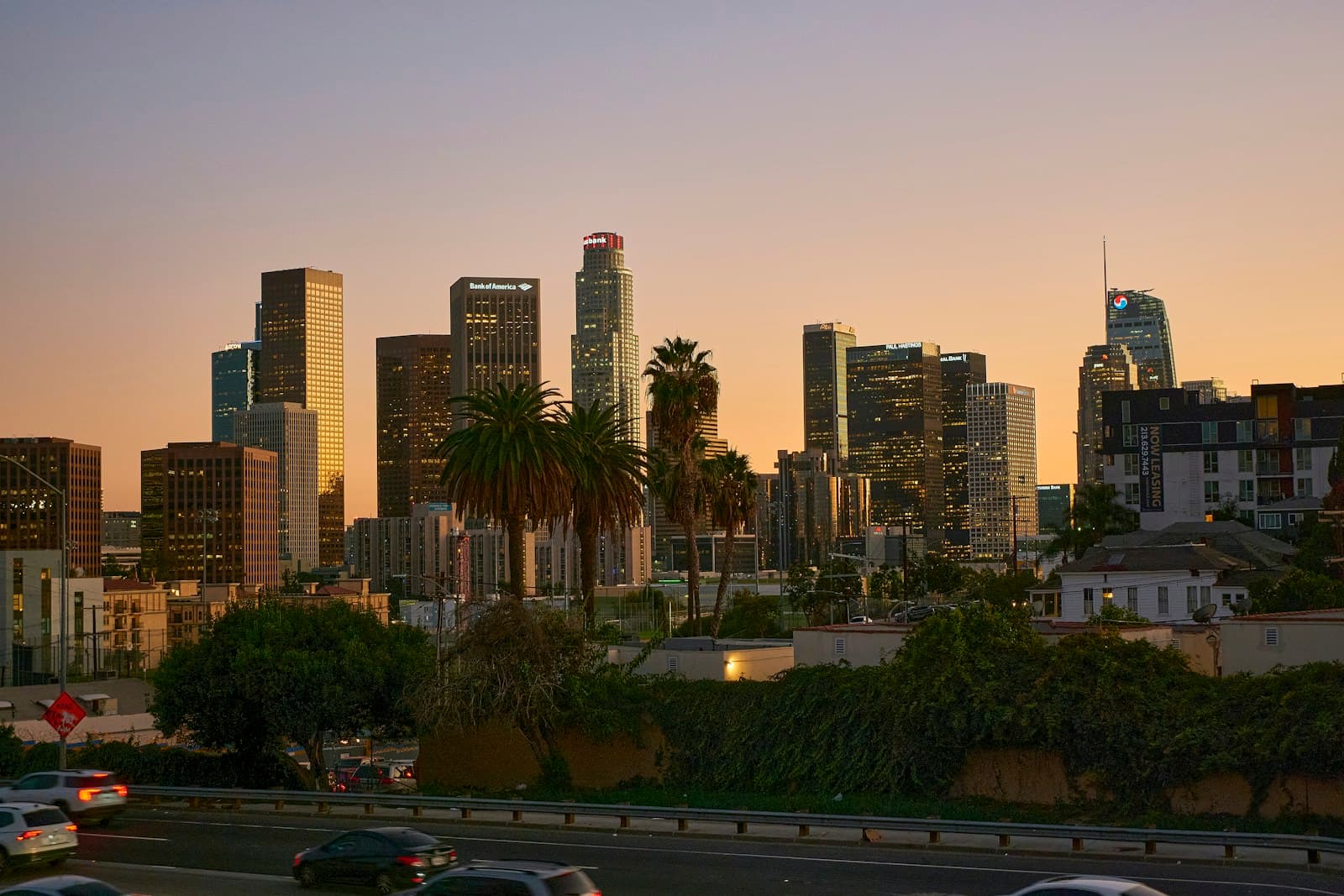
What Affects Rates in Los Angeles
- I-405 and I-10 Corridor Density: Los Angeles's heavily congested freeway corridors—particularly the I-405 through West LA and the I-10 downtown interchange—elevate accident frequency for post-SR22 drivers. Carriers price comprehensive and collision coverage 20–35% higher in zip codes adjacent to these routes compared to outer suburban areas like Simi Valley or Lancaster.
- DMV Notification Requirement: California law requires your insurer to file an SR-22 termination notice with the DMV once your 3-year period ends, but you must verify receipt. Drivers who fail to confirm DMV processing risk license suspension if the termination isn't recorded—especially problematic in Los Angeles where LAPD and CHP conduct frequent insurance verification stops in high-density areas.
- High Uninsured Motorist Concentration: Approximately 15% of Los Angeles drivers operate without insurance—among the highest rates in California. Post-SR22 drivers shopping for coverage should prioritize uninsured motorist (UM) and underinsured motorist (UIM) protection at higher limits than the state minimum, as collision frequency with uninsured drivers is elevated on surface streets in South LA, East LA, and downtown.
- Standard Carrier Re-Entry Timeline: Major standard carriers like State Farm, Farmers, and Allstate typically require 3 years of clean driving after your SR-22 requirement ends before offering preferred rates in Los Angeles. Post-SR22 drivers gain access to standard-tier products immediately after the filing period, but premium normalization to clean-record levels takes 18–36 months depending on underlying violation type and zip code risk factors.
- Competitive Post-SR22 Market: Los Angeles has a robust market of carriers actively writing post-SR22 business, including Mercury, Bristol West, Kemper, and Progressive. This competition creates meaningful rate variation—drivers exiting SR-22 requirements who compare 4+ quotes typically save $60–$120/mo compared to staying with their non-standard carrier.
Find out exactly how long SR-22 is required in your state
Coverage Recommendations
Cost estimates are based on available industry data and vary by driver profile. These are not insurance quotes.
Liability Insurance
California requires 15/30/5 minimum liability limits, but post-SR22 drivers in Los Angeles should carry at least 100/300/100 given the city's high attorney concentration and elevated litigation rates after at-fault accidents. Raising limits from minimum to 100/300/100 typically adds $35–$65/mo but protects against asset exposure in a collision-heavy urban environment.
$95–$180/mo at 100/300/100 limitsEstimated range only. Not a quote.
Uninsured Motorist Coverage
With 15% of Los Angeles drivers uninsured, UM/UIM coverage is critical for post-SR22 drivers who cannot afford out-of-pocket medical or repair costs after a hit-and-run or collision with an uninsured driver. Match your UM limits to your liability limits—if you carry 100/300/100 liability, carry 100/300 UM/UIM. Adds $25–$50/mo in most Los Angeles zip codes.
$25–$50/mo at 100/300 limitsEstimated range only. Not a quote.
Full Coverage
Full coverage—liability, comprehensive, and collision with deductibles—runs $220–$390/mo for post-SR22 drivers in Los Angeles during the first 12 months after the requirement ends. Drivers with financed or leased vehicles must carry full coverage; those with paid-off vehicles worth under $4,000 can drop collision to reduce premiums by $60–$110/mo, though comprehensive should be retained given the city's vehicle theft rates in areas like Koreatown and South LA.
$220–$390/mo with $500–$1,000 deductiblesEstimated range only. Not a quote.
Comprehensive Coverage
Comprehensive coverage protects against theft, vandalism, and glass damage—all elevated risks in Los Angeles where vehicle theft rates exceed state averages in central and eastern neighborhoods. Post-SR22 drivers pay $40–$75/mo for comprehensive in Los Angeles, with higher costs in zip codes 90006, 90011, 90015, and 90021 where theft claim frequency is concentrated. Always carry comprehensive if your vehicle is worth more than $3,000.
$40–$75/mo with $500 deductibleEstimated range only. Not a quote.