What Affects Rates in Tucson
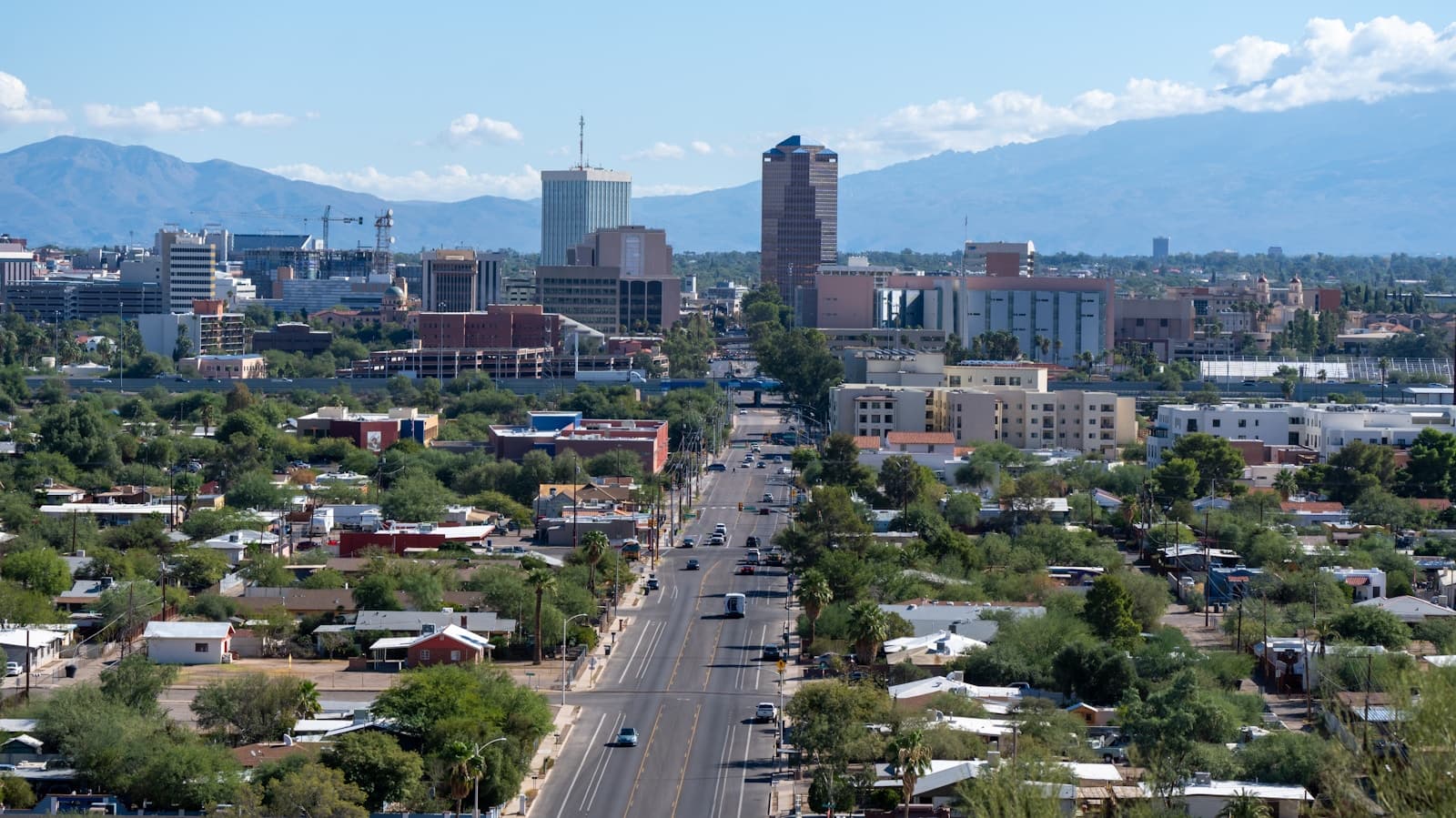
- I-10 Corridor Congestion: Heavy commercial and commuter traffic on I-10 through central Tucson elevates accident frequency, which keeps rates higher for post-SR-22 drivers until they accumulate 12–24 months of clean driving in high-density zones. Carriers weight urban accident exposure heavily when pricing the first post-filing year.
- Pima County Uninsured Driver Rate: Arizona's uninsured motorist rate hovers around 12%, one of the higher concentrations in the Southwest. Post-SR-22 drivers benefit from adding uninsured motorist coverage immediately after filing ends, as it signals risk awareness and can lower overall premium by bundling protections.
- Summer Monsoon Driving Conditions: July through September monsoons create flash flooding and reduced visibility on Tucson roads, increasing comprehensive claims. Drivers exiting SR-22 who maintain full coverage through their first monsoon season demonstrate stability to underwriters, accelerating rate normalization.
- Snowbird Seasonal Traffic: Winter months bring dense seasonal traffic from retirees, raising minor collision frequency in northwest Tucson and along Oracle Road. Post-SR-22 drivers who avoid at-fault claims during October–March seasons see faster premium reductions in year two.
Find out exactly how long SR-22 is required in your state
Coverage Recommendations
Cost estimates are based on available industry data and vary by driver profile. These are not insurance quotes.
Liability Insurance
Arizona minimums are 25/50/15, but post-SR-22 drivers in Tucson should carry at least 100/300/50 to demonstrate financial responsibility and access preferred-tier pricing. Standard carriers evaluate your first 6 months post-filing closely — higher limits signal reduced risk and unlock better rate tiers.
$65–$110/mo for 100/300/50 post-filingEstimated range only. Not a quote.
Uninsured Motorist Coverage
With roughly 12% of Arizona drivers uninsured, this coverage protects post-SR-22 drivers from paying out-of-pocket if hit by an uninsured or underinsured driver. Adding it immediately after your SR-22 ends costs $15–$30/mo and strengthens your profile with standard carriers during the transition period.
$15–$30/mo added to liabilityEstimated range only. Not a quote.
Full Coverage
Comprehensive and collision combined with liability. Post-SR-22 drivers financing vehicles or building stability profiles benefit from maintaining full coverage for the first 12 months after filing ends — it demonstrates continuity and accelerates movement into standard-tier pricing by year two.
$140–$230/mo first year post-filingEstimated range only. Not a quote.
Comprehensive Coverage
Covers non-collision damage including monsoon flooding, dust storm impact, and wildlife strikes common in Tucson's desert environment. Post-SR-22 drivers keeping comprehensive coverage through seasonal weather cycles show carriers they're managing risk proactively, which supports rate recovery.
$30–$55/mo standalone post-filingEstimated range only. Not a quote.