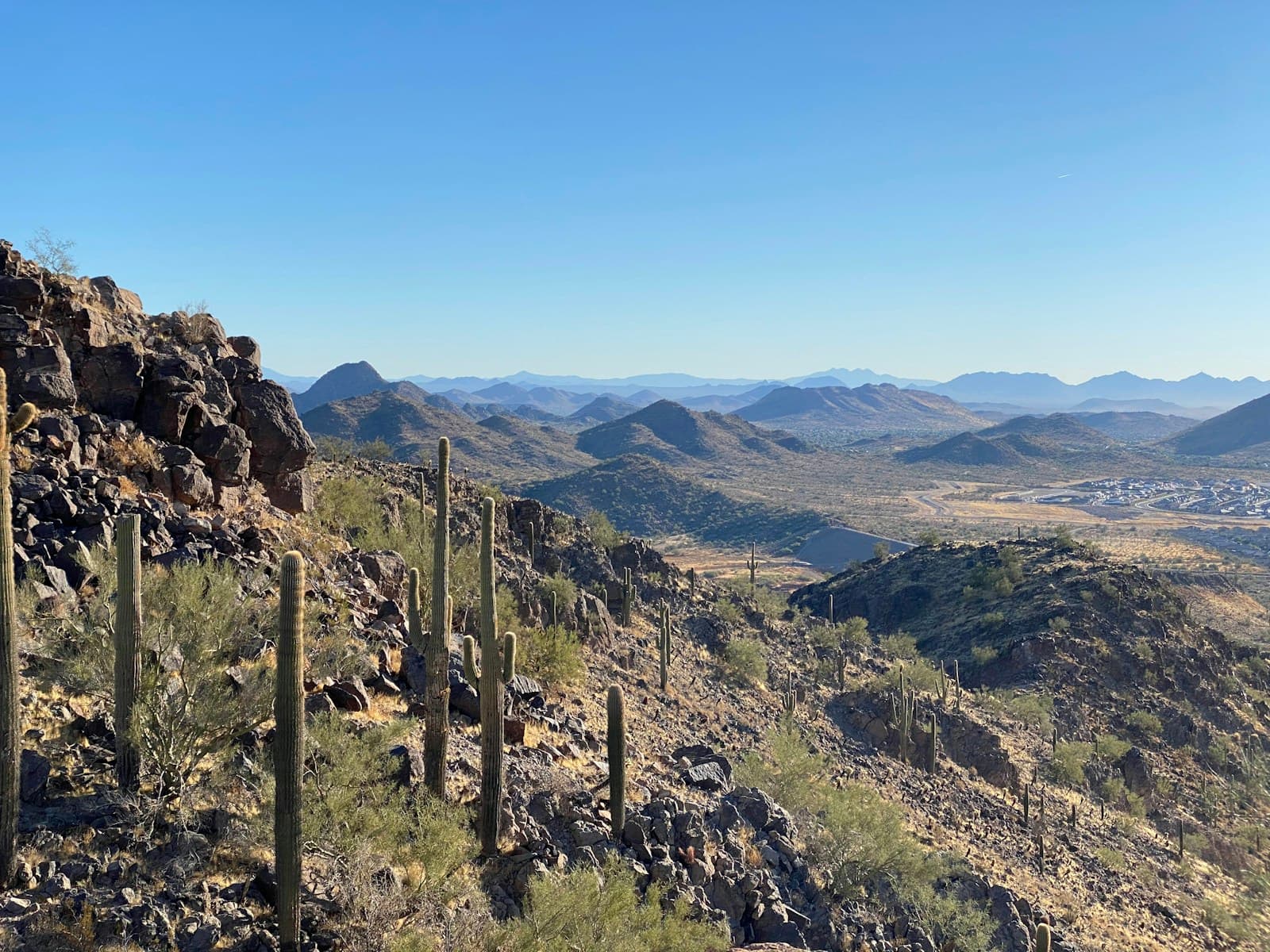
What Affects Rates in Peoria
- Loop 101 and Grand Avenue Corridor Traffic Density: Peoria's position along the Loop 101 and Grand Avenue creates higher accident frequency zones during peak commute hours, particularly at interchanges near Arrowhead Towne Center. Post-SR22 drivers with at-fault accidents already on record face 15–25% higher comprehensive and collision premiums in ZIP codes bordering these corridors compared to northern Peoria residential areas.
- Maricopa County Court Processing Times: SR-22 termination notifications from the Arizona MVD typically process within 10–15 business days after your 3-year requirement ends, but carriers may take an additional 30–45 days to remove the high-risk classification from your policy. Proactively shopping 60 days before your SR-22 end date allows standard carriers to quote you with the filing removal already anticipated.
- Northwest Valley Uninsured Motorist Concentration: Arizona's ~12% uninsured driver rate concentrates heavily in western Maricopa County ZIP codes, including portions of Peoria near 83rd Avenue and lower-income census tracts. Post-SR22 drivers dropping uninsured motorist coverage to reduce premiums face measurably higher out-of-pocket risk in these areas compared to Peoria's northern master-planned communities.
- Seasonal Heat and Comprehensive Claims: Peoria's summer temperatures routinely exceed 115°F, accelerating tire blowouts and battery failures on vehicles already deferred for maintenance during high-risk insurance periods. Comprehensive coverage claims for heat-related damage spike 40–60% June through August, and carriers price this risk into year-round premiums for drivers transitioning off SR-22.
- Post-SR22 Carrier Competition in Peoria: Standard carriers including State Farm, Farmers, and USAA actively compete for drivers 12+ months post-SR22 in Peoria, but require a clean driving period after the filing ends. Non-standard carriers like Bristol West and Dairyland continue offering coverage immediately after SR-22 termination at rates 20–35% lower than peak SR-22 premiums but still 50–80% higher than clean-record drivers pay.
Find out exactly how long SR-22 is required in your state
Coverage Recommendations
Cost estimates are based on available industry data and vary by driver profile. These are not insurance quotes.
Liability Insurance
Arizona requires 25/50/15 minimum liability limits, but post-SR22 drivers should carry 100/300/50 or higher to protect assets accumulated during the SR-22 period. Peoria's Loop 101 commuter density increases rear-end collision exposure, and a single at-fault crash with your new clean slate can reset rate recovery by 24–36 months.
$85–$160/mo for 100/300/50 limits post-SR22Estimated range only. Not a quote.
Full Coverage
Combining liability, collision, and comprehensive coverage costs post-SR22 drivers in Peoria $180–$320/mo depending on vehicle value and deductible selection. Drivers who financed vehicles during their SR-22 period and now own them outright can drop collision/comprehensive if the vehicle is worth under $4,000, cutting premiums 30–40%.
$180–$320/mo with $500–$1,000 deductiblesEstimated range only. Not a quote.
Uninsured Motorist Coverage
With Arizona's 12% uninsured driver rate and Peoria's position in high-traffic western Maricopa County, uninsured/underinsured motorist coverage adds $20–$45/mo but protects against hit-and-run and uninsured at-fault drivers. Post-SR22 drivers cannot afford another at-fault loss on their MVR, making UM/UIM critical gap coverage during rate recovery.
$20–$45/mo for 100/300 UM/UIM limitsEstimated range only. Not a quote.
Comprehensive Coverage
Peoria's extreme summer heat, monsoon hail, and dust storm frequency make comprehensive claims 25–40% more common than in cooler Arizona cities. Post-SR22 drivers with vehicles worth over $8,000 should maintain comprehensive with a $1,000 deductible to balance premium savings against heat-related and weather damage risk.
$40–$90/mo with $500–$1,000 deductibleEstimated range only. Not a quote.