What Affects Rates in Tuscaloosa
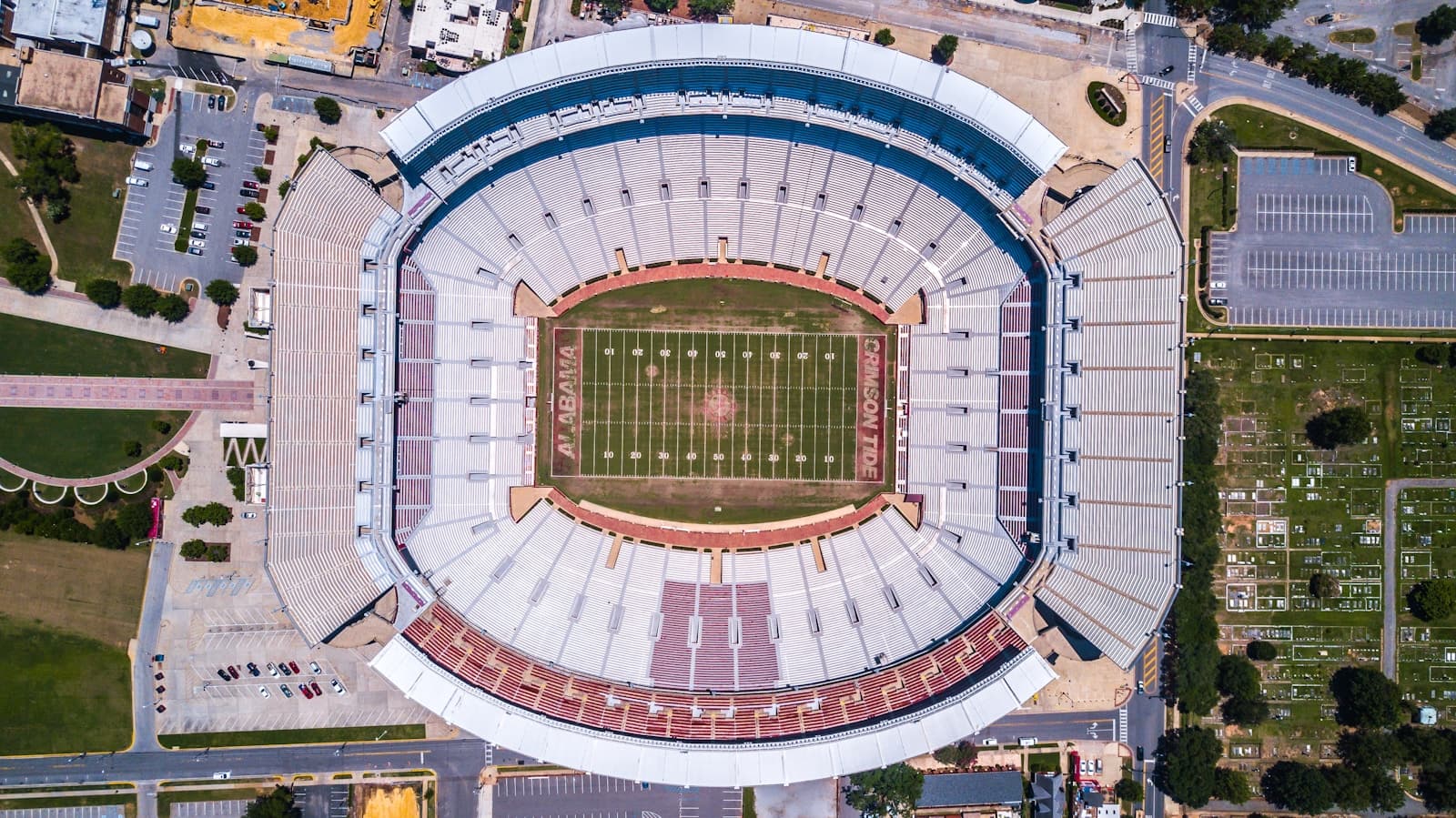
- University of Alabama Traffic Volume: Tuscaloosa's population swells by over 38,000 students during the academic year, concentrating traffic density around campus corridors like McFarland Boulevard and University Boulevard. High-risk drivers face elevated collision coverage costs in ZIP codes 35401 and 35487 due to the higher frequency of at-fault accidents in congested university zones, particularly during football weekends when game-day traffic compounds risk.
- Tuscaloosa County Court System Processing: The Tuscaloosa County Circuit Court processes DUI and major traffic violations, with SR-22 filing requirements typically triggered after license suspension hearings through the Alabama Law Enforcement Agency. Drivers who complete their SR-22 period must verify with ALEA that the requirement has officially ended before shopping for standard coverage, as court-ordered filing durations can extend beyond 3 years for repeat offenses.
- I-20/I-59 Corridor Accident Rates: The intersection of I-20 and I-59 near Tuscaloosa creates elevated accident exposure for commuters traveling between Birmingham and Mississippi. High-risk drivers living in western Tuscaloosa suburbs near Cottondale or Northport who commute via these interstates see higher comprehensive and collision premiums due to multi-vehicle accident frequency, especially during morning and evening rush periods.
- Alabama Uninsured Motorist Rate Impact: Alabama's statewide uninsured driver rate runs approximately 14%, and enforcement intensity varies across Tuscaloosa city limits versus unincorporated county areas. Post-SR22 drivers benefit from maintaining uninsured motorist coverage at higher limits (50/100 or 100/300) because a second at-fault or uninsured-motorist claim can retrigger non-standard placement even after the original SR-22 requirement ends.
- Severe Weather and Comprehensive Claims: Tuscaloosa sits in a tornado-prone region of west-central Alabama, with significant tornado damage in 2011 and recurring severe thunderstorm activity each spring. Comprehensive coverage costs for post-SR22 drivers remain elevated due to hail and wind risk, but maintaining continuous comprehensive coverage during and after the SR-22 period demonstrates stability to standard carriers and accelerates rate normalization.
Find out exactly how long SR-22 is required in your state
Coverage Recommendations
Cost estimates are based on available industry data and vary by driver profile. These are not insurance quotes.
Liability Insurance
Alabama requires minimum liability limits of 25/50/25, but post-SR22 drivers in Tuscaloosa benefit from carrying 100/300/100 to demonstrate financial responsibility and access better standard carrier options. Higher liability limits signal reduced risk to underwriters and can lower your overall premium tier once the SR-22 filing ends, especially if you're transitioning from a non-standard carrier.
$80–$180/mo for 100/300/100 post-SR22Estimated range only. Not a quote.
Full Coverage
Full coverage (liability + collision + comprehensive) in Tuscaloosa for drivers just completing SR-22 typically costs $180–$320/mo depending on the vehicle and violation history. Shopping within 30 days of your SR-22 end date allows you to compare standard carriers who wouldn't write you during the filing period, often dropping your monthly cost by $60–$120 compared to non-standard rates.
$180–$320/mo transitioning post-SR22Estimated range only. Not a quote.
Uninsured Motorist Coverage
With Alabama's 14% uninsured driver rate and variable enforcement across Tuscaloosa County, uninsured motorist coverage at 50/100 or higher protects you from a second at-fault determination if an uninsured driver hits you. Adding UM coverage costs $15–$35/mo but prevents the rate spike that comes from filing a claim under your own collision coverage, which can delay your return to standard rates.
$15–$35/mo for 50/100 UM limitsEstimated range only. Not a quote.
Comprehensive Coverage
Comprehensive coverage in Tuscaloosa addresses tornado, hail, and storm damage common in west-central Alabama. Post-SR22 drivers maintaining continuous comp coverage (even with a $500 or $1,000 deductible) show stability to underwriters, which shortens the timeline to standard-tier pricing — typically 12–18 months versus 24+ months without continuous comp history.
$40–$90/mo with $500 deductible post-SR22Estimated range only. Not a quote.