Utah Alcohol-Restricted License: How It Works with SR-22
Find Affordable Coverage After SR-22What Is Utah's Alcohol-Restricted Driver License (ARDL)?
Utah's alcohol-restricted driver license allows you to drive legally during what would otherwise be a full suspension period after a DUI conviction or refusal. You must install an ignition interlock device on any vehicle you operate, maintain SR-22 insurance for the entire restriction period, and limit your driving to work, school, medical appointments, and interlock service visits.
The ARDL is not automatic. You apply through the Driver License Division within 30 days of your suspension notice. If approved, the restriction replaces your suspension — you never lose driving privileges completely. If denied or if you miss the application window, you serve the full suspension with zero driving privileges.
Most drivers qualify if they have no prior DUI convictions in the past 10 years, no commercial driver license, and no suspension for a drug-related offense. The DLD issues the ARDL for the same duration as your original suspension: 120 days for a first DUI with BAC under 0.16, 18 months for refusal, 2 years for BAC 0.16 or higher.
SR-22 Filing Requirements for the Alcohol-Restricted License
Utah requires SR-22 filing before the DLD will issue your alcohol-restricted license. You cannot apply for the ARDL, be approved, or receive the restricted credential without proof of SR-22 on file with the state. The SR-22 must show liability coverage at Utah's minimum limits: $25,000 per person, $65,000 per accident for bodily injury, and $15,000 for property damage.
Your carrier files the SR-22 electronically with the DLD. Processing typically takes 2-5 business days after your insurer submits the form. You pay the insurer's SR-22 filing fee — usually $15 to $50 — plus higher premium rates for non-standard DUI coverage. The ARDL application cannot proceed until the DLD confirms SR-22 receipt in their system.
The filing period begins the day your suspension starts, not the day you apply for the restricted license. If your suspension order shows a start date of March 1 and Utah's SR-22 requirement for your violation is 3 years, you must maintain continuous SR-22 coverage until March 1 three years later. Letting the SR-22 lapse for even one day resets the entire 3-year clock and triggers immediate ARDL revocation.
How Long You'll Carry SR-22 with an Alcohol-Restricted License
Utah requires SR-22 filing for 3 years after a DUI conviction or refusal. Your alcohol-restricted license itself lasts only as long as your original suspension period — 120 days to 2 years depending on BAC level and prior violations. That means your SR-22 requirement continues long after the ARDL restriction ends and you return to a standard license.
Example: first DUI with 0.10 BAC results in 120-day suspension. You apply for and receive the ARDL. You drive on the restricted license for 120 days with the ignition interlock installed. After 120 days, the restriction lifts and you return to a standard Utah driver license. But you still carry SR-22 for 2 years and 245 additional days after that point.
Most drivers misunderstand this timeline. The ARDL is a suspension alternative, not a path to early SR-22 termination. You will carry SR-22 insurance and pay non-standard rates for the full 3-year period regardless of how quickly the restricted license converts back to standard privileges.

Your SR-22 Is Over. Your Rate Should Drop Too
Find Affordable Coverage After SR-22Carriers That Write SR-22 for ARDL Drivers in Utah
Not all carriers writing standard auto insurance in Utah will file SR-22 or insure drivers on alcohol-restricted licenses. National brands including State Farm, Allstate, and GEICO typically non-renew or cancel policies immediately after a DUI conviction notice, routing the driver to non-standard subsidiaries or declining coverage entirely.
Carriers actively writing SR-22 for ARDL drivers in Utah include Progressive (direct and through independent agents), Bristol West, Dairyland, The General, Alliance United, and National General. These carriers specialize in high-risk drivers and process SR-22 filings within 1-3 business days. Expect monthly premiums between $180 and $320 for minimum liability coverage during the restricted license period, depending on age, vehicle, and prior violations.
Most ARDL applicants discover carrier limitations only after calling their existing insurer — who then cancels the policy effective immediately, leaving the driver scrambling to find coverage and file SR-22 before the 30-day application deadline expires. Start shopping for SR-22 coverage the same day you receive your suspension notice, not after your current carrier drops you.

What Happens If Your SR-22 Lapses While Holding an ARDL
Utah DLD monitors SR-22 status electronically. If your carrier cancels your policy or you let coverage lapse for non-payment, the insurer notifies the DLD within 24 hours. The DLD immediately suspends your alcohol-restricted license and your standard driving privileges. You receive no grace period and no warning beyond the cancellation notice your insurer sent.
Reinstatement after an SR-22 lapse requires you to file a new SR-22, pay a $65 reinstatement fee, and restart the entire 3-year SR-22 clock from the lapse date. If the lapse occurred while you held the ARDL, you also lose eligibility for the restricted license and must serve the remainder of your original suspension with zero driving privileges.
The most common lapse scenario: driver sets up autopay on a checking account, changes banks or cards, forgets to update payment method with the SR-22 carrier. Policy cancels for non-payment 10 days later. DLD receives cancellation notice and suspends the ARDL. Driver discovers the suspension only when pulled over or when attempting to renew registration.
Timeline: From DUI to ARDL Approval with SR-22
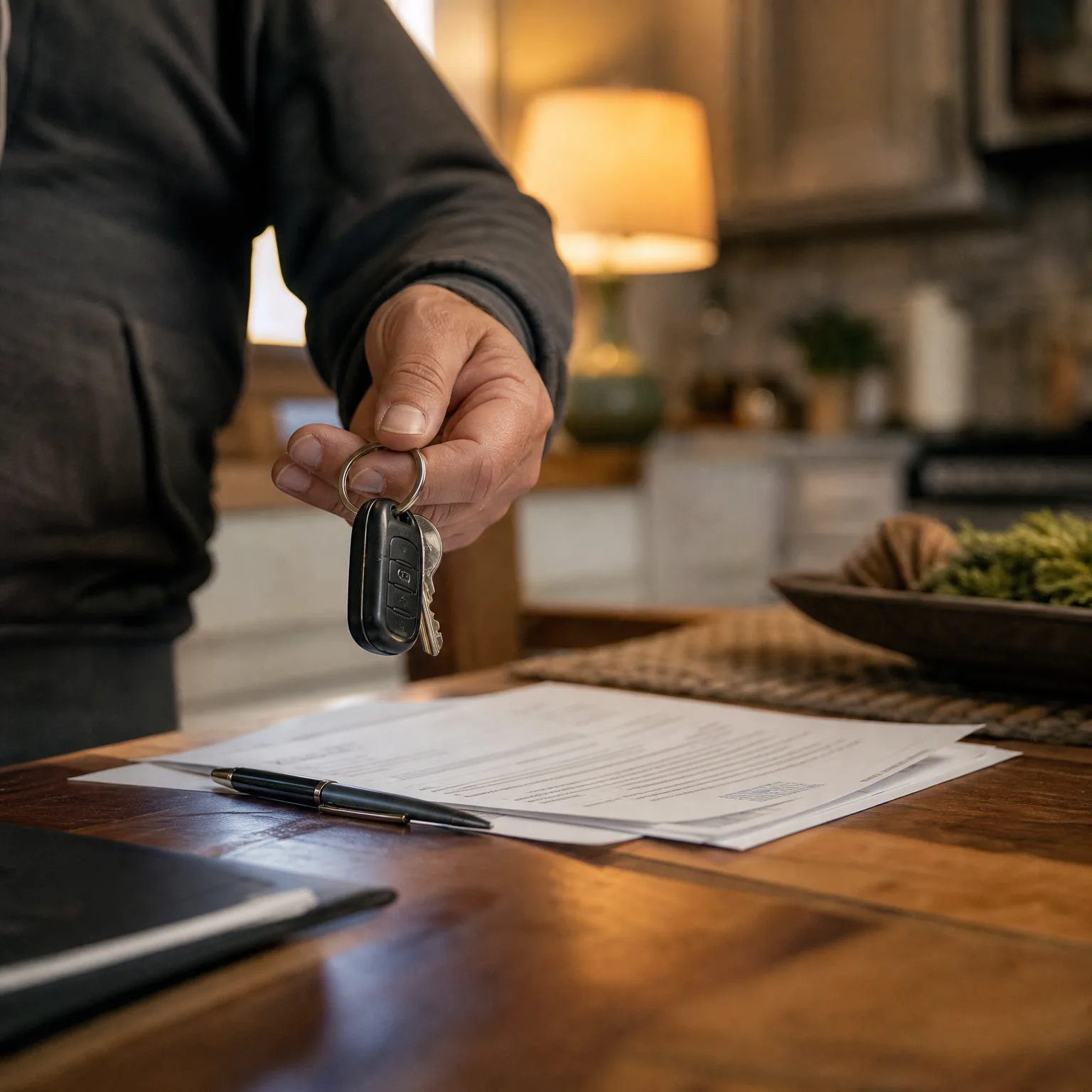
Day 1: You receive Notice of Suspension from Utah DLD following DUI arrest or refusal. The notice shows your suspension start date — typically 30 days from the notice date — and informs you of ARDL eligibility.
Days 1-10: Contact SR-22 carriers, obtain quotes, purchase non-standard DUI policy. Your carrier files SR-22 electronically with DLD. Processing takes 2-5 business days. Confirm SR-22 receipt with DLD before proceeding.
Days 10-25: Schedule ignition interlock installation with a DLD-approved provider. Installation takes 1-2 hours. Provider issues compliance certificate. Submit ARDL application to DLD with interlock certificate, SR-22 confirmation, $55 application fee, and proof of enrollment in a Prime for Life alcohol education course if required by your court order.
Days 25-30: DLD reviews application. If approved, you receive the alcohol-restricted license before your suspension start date. If denied, you serve the full suspension. Most denials result from missing the SR-22 filing or interlock installation deadlines.
Frequently Asked Questions
Can I get an alcohol-restricted license in Utah without SR-22 insurance?
No. Utah DLD requires proof of SR-22 filing on file before approving any alcohol-restricted driver license application. The SR-22 must show continuous coverage at state minimum liability limits for the entire restriction period and for 3 years total from your suspension start date.
How much does SR-22 insurance cost with an alcohol-restricted license in Utah?
Expect $180 to $320 per month for minimum liability coverage with SR-22 filing during your ARDL period. Rates vary by age, vehicle, prior violations, and carrier. The SR-22 filing fee itself is $15 to $50 one-time, paid to your insurer when they submit the form to the DLD.
What happens to my SR-22 requirement after my alcohol-restricted license period ends?
Your SR-22 requirement continues for 3 years total from your suspension start date, regardless of when the ARDL restriction lifts. If your restricted license lasted 120 days, you still carry SR-22 for 2 years and 245 days after returning to a standard license. The restriction and the SR-22 period are independent timelines.
Will my current car insurance company file SR-22 for an alcohol-restricted license?
Most standard carriers including State Farm, Allstate, and GEICO will cancel your policy after a DUI conviction and will not file SR-22. You will need to move to a non-standard carrier that specializes in high-risk drivers. Progressive, Bristol West, Dairyland, and The General actively write SR-22 in Utah for ARDL holders.
How long does it take to get SR-22 filed and ARDL approved in Utah?
SR-22 filing takes 2-5 business days after your carrier submits the form electronically to Utah DLD. ARDL application review takes 3-7 business days after you submit all required documents including SR-22 proof, interlock certificate, and application fee. Start the process immediately after receiving your suspension notice to meet the 30-day deadline.
Related Articles

SR-22 and Utah Limited Driving Permit Requirements
5/18/2026
Arizona Interlock Restricted License & SR-22 Guide
5/18/2026
Arizona Ignition Interlock License & SR-22 Guide
5/18/2026
SR-22 and Idaho Restricted Permits: What You Need to Know
5/18/2026
Cheapest Car Insurance After Utah SR-22 Ends
6/8/2026
Arizona SR-22 & IID Overlap: 3-Year Filing Timeline
5/18/2026