
SR-22 Quote Validity: How Long Your Price Holds Before Binding
Find Affordable Coverage After SR-22How Long Does an SR-22 Insurance Quote Stay Valid?
Most SR-22 quotes remain valid for 7 to 14 days from the quote date, not the 30 days standard auto insurance quotes typically hold. Non-standard carriers reprice high-risk drivers more frequently than standard carriers because violation aging, license status changes, and state filing updates directly affect underwriting eligibility. If you receive a quote today and try to bind it 10 days later, the carrier will pull your motor vehicle report again and reprice based on current data.
The quote validity period appears in the quote packet fine print, usually labeled "quote expiration date" or "rate guarantee period." Some carriers state it verbally but don't print it prominently. If you don't see an expiration date, ask the agent directly and get it in writing before you leave the call.
Waiting past the validity window doesn't just void the quote — it triggers a full rerate. Your new premium could increase if your violation date moved you into a different rating tier, if the carrier updated their high-risk pricing model, or if a lapse or late payment hit your record between the quote date and binding date. The 30-day timeline agents reference applies to the policy effective date you can select, not how long the quoted rate stays locked.

What Happens to Your SR-22 Rate Between Quote and Binding
Carriers treat the quote date as a snapshot. Between that date and the day you bind, multiple factors can shift your rate upward. Most high-risk drivers don't realize that time itself changes their risk profile in the carrier's system.
If your DUI or suspension is recent, every day that passes moves you closer to the next pricing threshold. Non-standard carriers tier drivers by months since violation: 0-6 months, 6-12 months, 12-24 months, 24-36 months. Cross from 5 months post-DUI to 6 months, and you may drop into a lower-risk tier with a better rate. Cross from 11 months to 12 months, and the opposite can happen if the carrier front-loads risk in the first year. These thresholds are carrier-specific and not disclosed in marketing materials.
Rate increases between quote and binding also occur when a payment you owe to the DMV for reinstatement fees goes unpaid, when another driver on your household's record gets a new violation, or when the carrier updates their SR-22 filing fee. Some states allow carriers to add administrative fees at binding that were not included in the initial quote. Ask whether the quoted premium is the final out-the-door price or whether binding fees, SR-22 filing fees, or installment fees apply on top.


Why SR-22 Quotes Expire Faster Than Standard Insurance Quotes
Standard insurance quotes typically hold for 30 to 60 days because clean-record drivers present stable risk. SR-22 drivers do not. Carriers writing non-standard auto insurance adjust pricing models weekly or monthly based on claims data, state filing rule changes, and competitor rate movements. A rate that was competitive on Monday may be off the table by Friday if the carrier hit their monthly SR-22 policy quota or saw adverse loss ratios in your state.
Non-standard carriers also limit their exposure by restricting how many SR-22 policies they write per month in each state. Once they hit that cap, quotes go stale immediately — even quotes issued earlier that week. This is why some agents tell you "this rate is good today only." They're not pressuring you. They genuinely cannot guarantee the carrier will honor it tomorrow.
Carriers that specialize in SR-22 insurance also reprice based on real-time license status checks. If your license moves from suspended to reinstatement-eligible between the quote date and binding date, your rate may improve. If a lapse flag appears on your MVR during that window, your rate will spike or the carrier will withdraw the offer entirely. The quote you received assumes your record stays frozen. It never does.

Your SR-22 Is Over. Your Rate Should Drop Too
Find Affordable Coverage After SR-22How to Lock Your SR-22 Rate Before It Expires
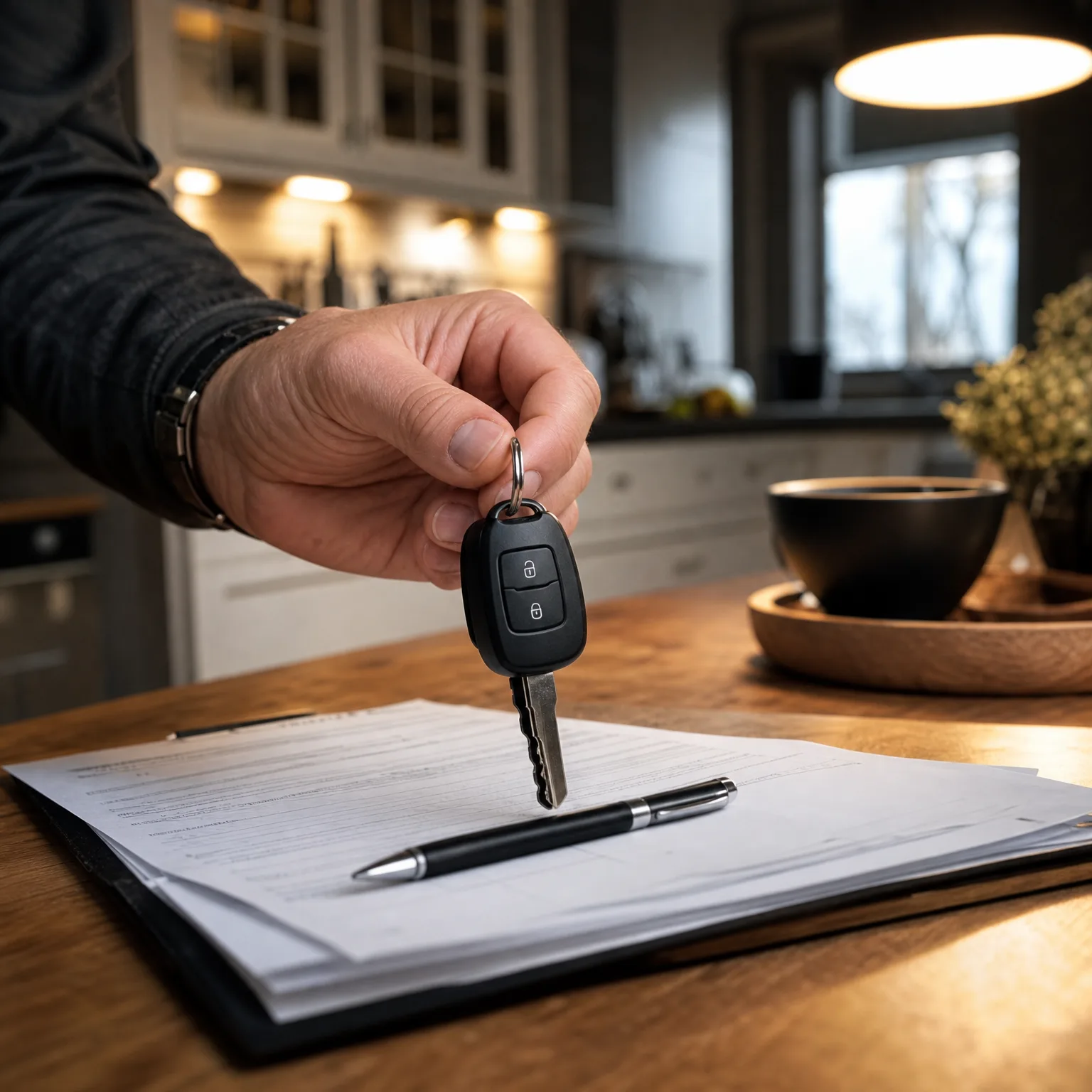
The only way to guarantee your quoted rate is to bind the policy before the quote expiration date. Binding means paying the down payment and signing the policy documents. A verbal agreement to buy or scheduling a future start date does not lock your rate.
If you need more than 7 days to decide, ask the agent whether the carrier offers a rate lock or quote extension. Some non-standard carriers allow a 48-hour rate hold if you pay a small deposit, typically $25 to $50. This deposit applies toward your down payment if you bind, and it's refundable if you don't. Rate locks are rare in the SR-22 market, but they exist at a few carriers for drivers whose violation is more than 18 months old.
If you miss the quote expiration date, call the same agent and ask them to re-quote you with the same carrier before shopping elsewhere. The carrier may honor the original rate if fewer than 3 days have passed and your MVR hasn't changed. If the rate increases, ask the agent to explain which rating factor changed. Sometimes the increase comes from a filing fee update or policy fee adjustment, not your driving record, and the agent can apply a discount you didn't originally qualify for to offset it.
When Waiting to Bind Actually Helps Your SR-22 Rate
Waiting to bind makes sense in two specific situations. First, if your violation date is within 2 weeks of crossing into the next aging tier, waiting can drop your premium by 10% to 30%. A DUI that occurred 11.5 months ago will price better at 12 months in most carrier systems. Ask the agent to quote you today and again after the threshold date, then compare.
Second, if you're waiting for your license reinstatement to finalize, binding before your license is active can trigger a surcharge. Some carriers add a suspended-license fee to the SR-22 policy even if you're days away from reinstatement. Waiting until your license shows as valid in the state DMV system eliminates that fee. Confirm your license status online through your state DMV portal before you bind.
Do not wait if your current policy is about to lapse or if you're driving without coverage. The savings from aging your violation are erased if you create a coverage gap. Carriers add lapse surcharges of 20% to 50% on top of the SR-22 premium, and some states reset your SR-22 filing period to day zero if you lapse for even 24 hours. The cost of waiting is higher than the cost of binding early.

What to Ask the Agent Before Your Quote Expires
Before your quote validity period runs out, ask these four questions. First: "What is the exact expiration date and time for this quoted rate?" Get a specific date, not "about 30 days." Second: "Will the rate change if I bind tomorrow versus today?" Some agents know their carrier reprice schedules and will tell you if a rate update is coming. Third: "What fees will be added at binding that are not in this quote?" SR-22 filing fees, installment fees, and policy fees often appear only on the final invoice. Fourth: "Can I get this rate in writing with the expiration date printed on it?"
If the agent cannot answer these questions or says the rate is guaranteed indefinitely, you're not working with a non-standard specialist. SR-22 carriers operate on shorter pricing cycles than standard carriers, and agents who write high-risk business daily know the rules. Shop with agents who specialize in SR-22 and non-standard auto — they'll give you the real expiration timeline and help you time your binding date correctly.
Frequently Asked Questions
Can I get an SR-22 quote and wait 30 days to buy it?
No. Most SR-22 quotes expire after 7 to 14 days, not 30. The 30-day window agents mention refers to how far out you can schedule your policy start date, not how long the quoted rate stays valid. If you wait longer than the quote expiration date, the carrier will reprice you based on your current driving record and their current rates, which may be higher.
What happens if I try to bind an expired SR-22 quote?
The carrier will pull your motor vehicle report again and generate a new quote based on current data. Your rate may increase if your violation aged into a different pricing tier, if the carrier updated their rate tables, or if any new activity appeared on your record. Some carriers will withdraw the offer entirely if your license status changed or a lapse occurred between the quote date and binding attempt.
Do all SR-22 insurance carriers have the same quote expiration period?
No. Quote validity periods vary by carrier, typically ranging from 7 to 30 days. Non-standard carriers that specialize in SR-22 tend to have shorter validity windows because they reprice high-risk drivers more frequently. The expiration date should appear in your quote packet fine print or you can ask your agent directly.
Will my SR-22 rate go up if I wait a week to bind the policy?
It depends. If you're still within the quote validity period and your driving record hasn't changed, most carriers will honor the original rate. If you wait past the expiration date, the carrier will reprice you and your rate may increase based on updated underwriting guidelines, MVR changes, or carrier rate adjustments. Binding within 7 days of the quote date is the safest approach.
Can I lock an SR-22 insurance rate without paying the full premium?
Some non-standard carriers allow a 48-hour rate hold if you pay a small deposit, usually $25 to $50. This deposit applies to your down payment if you bind and may be refundable if you don't. Rate locks are uncommon in the SR-22 market, but they're worth asking about if you need a few extra days to finalize your decision.
Related Articles
SR-22 Ended: How to Cut Your Rate 40-65% in 30 Days
5/18/2026

SR-22 Final 90 Days: When to Shop Post-Filing Rates
5/18/2026

SR-22 90 Days After: When New Policy Shows Clean Status
5/18/2026

Drop SR-22 Early and Cut Rates Before Filing Ends
6/8/2026

SR-22 180 Days Post: When Standard Carriers Compete
5/18/2026

SR-22 Final 60 Days: When to Shop Before Filing Ends
5/18/2026