
SR-22 in Colorado: 3-Year Filing & Express Consent Hearing
Find Affordable Coverage After SR-22What Triggers SR-22 Filing in Colorado?
Colorado requires SR-22 filing after a DUI, DWAI (Driving While Ability Impaired), refusal of a chemical test, driving without insurance, or accumulating excessive points. The filing proves to the DMV that you carry at least the state minimum liability coverage: $25,000 per person, $50,000 per accident, and $15,000 for property damage.
The 3-year filing period starts from your conviction date or reinstatement date, not from the date you purchase the policy. If you're convicted in March but don't reinstate your license until June, your 3-year clock starts in June. Most drivers assume the clock starts at conviction and end up filing longer than legally required.
Colorado also uses a point system — 12 points in 12 months triggers a suspension, and that suspension typically comes with an SR-22 requirement for 3 years after reinstatement. The points stay on your record for 7 years, but the SR-22 requirement ends after 3 years of continuous filing.

How Does the Express Consent Hearing Work?
The Express Consent Hearing is an administrative proceeding separate from your criminal DUI case. It determines whether the DMV can suspend your license for refusing a chemical test or testing over the legal limit. You have 7 days from the date of your arrest to request the hearing by contacting the DMV's Hearings Section.
If you miss the 7-day deadline, the suspension goes into effect automatically — typically 30 days after arrest for a first offense. The hearing itself focuses solely on whether the officer had reasonable grounds to stop you, whether you were lawfully arrested, and whether you refused the test or tested above 0.08% BAC. It does not address whether you were actually guilty of DUI.
Winning the Express Consent Hearing does not eliminate your SR-22 requirement if you're later convicted in criminal court. The two proceedings are independent. Most drivers who win the administrative hearing still end up with a 3-year SR-22 filing requirement after their criminal conviction. The hearing's value is keeping your license valid during the months between arrest and trial.


What Happens If You Lose or Skip the Express Consent Hearing?
If you lose the Express Consent Hearing or don't request one within 7 days, your license is suspended — 9 months for a first DUI refusal, 1 year for a first DUI over 0.08%, and longer for repeat offenses. You can apply for an early reinstatement after serving a portion of the suspension, but reinstatement requires SR-22 filing and an ignition interlock device for most DUI suspensions.
Early reinstatement is available after 1 month for a first DUI over 0.08%, after 2 months for a first refusal, and after 4 months for a second or subsequent offense. You must install an ignition interlock device on every vehicle you own or operate, file SR-22, pay reinstatement fees (typically $95), and complete a Level II alcohol education program before the DMV will restore your license.
The 3-year SR-22 filing period starts when your license is reinstated, not when the suspension began. If you serve the full 9-month suspension without early reinstatement, your SR-22 clock starts at month 9. If you reinstate early at month 2, your clock starts at month 2 — but you're also paying for ignition interlock and SR-22 filing during those 7 additional months.

Your SR-22 Is Over. Your Rate Should Drop Too
Find Affordable Coverage After SR-22Which Carriers Write SR-22 in Colorado After a DUI?
Most national carriers do not write SR-22 policies directly in Colorado after a DUI. State Farm, Allstate, and GEICO typically cancel your policy after a DUI conviction and route you to non-standard subsidiaries or decline to renew. Progressive writes SR-22 through its standard division in Colorado and is one of the few national brands that will quote you directly after a DUI.
Non-standard carriers active in Colorado include Bristol West, Dairyland, The General, and Acceptance Insurance. These carriers specialize in high-risk drivers and file SR-22 as part of their standard process. Expect monthly premiums of $180–$320/mo for state minimum liability during your first year of SR-22 filing, depending on your age, driving history, and whether you have an ignition interlock requirement.
SR-22 filing fees in Colorado range from $15–$50 depending on the carrier. The fee is separate from your premium and is charged once at the start of your policy. Some carriers charge an additional fee if you request a duplicate SR-22 certificate for another state or lapse and need to refile.

How Long Does SR-22 Filing Last in Colorado?
Colorado requires 3 years of continuous SR-22 filing for most DUI, DWAI, and major violation suspensions. The filing period is measured from your reinstatement date, not your conviction date or suspension start date. If you let your policy lapse or cancel it before the 3-year period ends, the DMV suspends your license again and the clock resets to zero.
A lapse of even one day restarts the entire 3-year requirement in Colorado. Your carrier is required to notify the DMV within 10 days of cancellation or non-renewal. The DMV then issues a new suspension, and you must file SR-22 again and pay reinstatement fees again to restore your license. Most drivers who lapse during their filing period end up paying for 4–5 years of SR-22 because of resets.
You can switch carriers during your 3-year filing period without penalty as long as there is no gap in coverage. Your new carrier files SR-22 on your behalf, and the old carrier notifies the DMV that coverage ended. The DMV matches the dates — if they overlap or touch, your clock continues. If there's a gap, your clock resets.
What Happens When Your 3-Year SR-22 Requirement Ends?
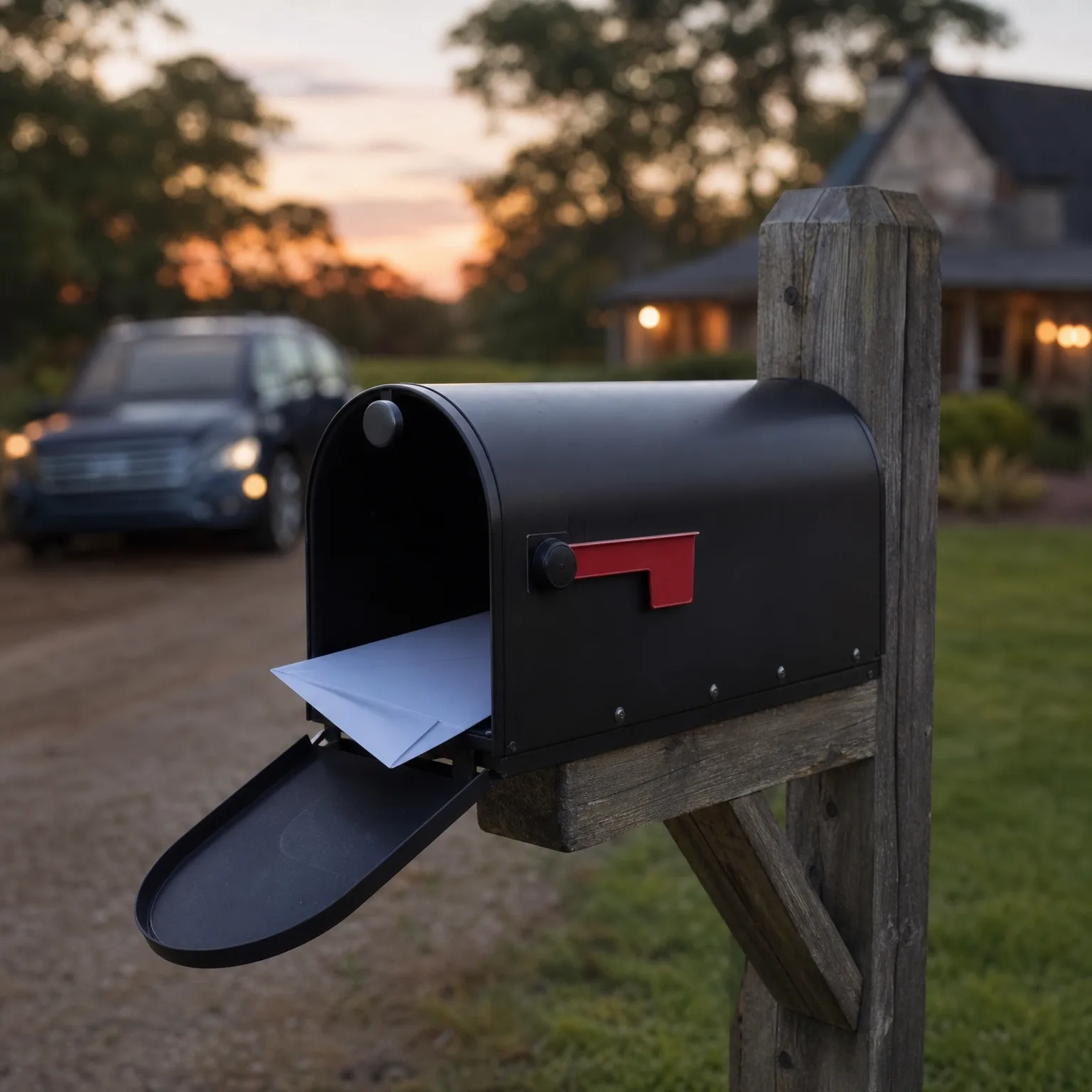
When your 3-year filing period ends, your carrier does not automatically notify the DMV. You are responsible for confirming with the DMV that your requirement has been satisfied and that your license status reflects the completion. Most drivers assume their license automatically updates — it does not. You need to request a status check through the DMV's online portal or by visiting a DMV office.
Once the requirement ends, you can switch to a standard carrier without SR-22 filing. Your rates will not drop immediately — the DUI remains on your driving record for 7 years in Colorado, and most carriers surcharge for it during that entire period. Expect rates to decrease gradually over the first 3–5 years after your conviction as the incident ages.
Shop aggressively once your SR-22 requirement ends. Carriers that would not quote you during your filing period will now compete for your business. State Farm, USAA, and American Family often re-enter the market for post-SR22 drivers 3–4 years after conviction. Monthly premiums typically drop to $110–$180/mo for state minimum liability within 12 months of SR-22 completion, assuming no new violations.
Frequently Asked Questions
Can I drive in Colorado while waiting for my Express Consent Hearing?
Yes, if you requested the hearing within 7 days of your arrest. Your license remains valid until the hearing is held and a decision is issued. If you did not request a hearing within 7 days, your suspension begins automatically 30 days after arrest for a first offense.
Does winning the Express Consent Hearing eliminate my SR-22 requirement?
No. The Express Consent Hearing is administrative and only determines whether the DMV can suspend your license for test refusal or BAC over 0.08%. If you are later convicted of DUI in criminal court, you will still face a 3-year SR-22 filing requirement. The two proceedings are independent.
What happens if I move out of Colorado during my SR-22 filing period?
You must notify the DMV and file SR-22 in your new state if that state requires it. Colorado's 3-year requirement does not automatically transfer — your new state sets its own filing period. Some states honor the time you already served in Colorado; others restart the clock. Verify with your new state's DMV before canceling your Colorado SR-22.
Can I get SR-22 if I don't own a car in Colorado?
Yes. You need a non-owner SR-22 policy, which provides liability coverage when you drive a vehicle you do not own. Most non-standard carriers in Colorado write non-owner policies with SR-22 filing. Monthly premiums typically run $40–$80/mo for state minimum liability.
How do I prove to the Colorado DMV that my 3-year SR-22 requirement is complete?
Log into the Colorado DMV online portal or visit a DMV office and request a license status check. The DMV maintains records of your SR-22 filing start and end dates. Once confirmed, you can cancel your SR-22 policy and shop for standard coverage without the filing requirement.
Related Articles

Colorado Express Consent Hearing and SR-22 Filing
5/18/2026
Colorado SR-22 Cost After Filing Ends
6/8/2026
First DUI SR-22 Rules: State-by-State Requirements
5/18/2026

SR-22 Duration by State: 3-Year vs 5-Year Filing
5/18/2026

Cheapest SR-22 Insurance After Colorado DWAI
6/8/2026

SR-22 in Nevada: 3-Year Filing and DMV Verification
5/18/2026