
SR-22 Filing Without a Permanent Address: State Compliance
Find Affordable Coverage After SR-22Can You File SR-22 Without a Permanent Address?
Yes. Every state that requires SR-22 accepts filings for drivers without fixed residential addresses, but the process depends entirely on whether your carrier knows how to handle non-standard address formats in their state filing system. The SR-22 certificate itself does not require proof of homeownership or a lease — it certifies you carry liability insurance. The address field exists for DMV correspondence, not as a residency verification.
The problem is carrier systems. Most national carriers auto-reject applications listing shelters, PO boxes, motels, or general delivery addresses because their underwriting algorithms flag transitional addresses as elevated risk. They will tell you SR-22 filing requires a permanent address. That is a carrier policy limitation, not a DMV rule.
Non-standard carriers writing high-risk policies handle transitional address filings routinely. They structure policies using the address format your state's DMV filing system accepts — typically a mailing address paired with the county where you physically reside most often. If your current carrier cannot file your SR-22 because of your address, the correct next step is switching to a carrier whose systems accommodate non-traditional address formats, not waiting until you have housing.

What Address Format Does the DMV Accept for SR-22 Filing?
State DMV systems accept any mailing address where you reliably receive correspondence — PO boxes, general delivery at your county post office, shelter program addresses, transitional housing addresses, or a friend or family member's address with their written consent. The address on your SR-22 filing does not need to match the address on your driver's license in most states, but both must be current and accurate at the time of filing.
Some states require the SR-22 policy address to match your license address within 30 days of filing. If your license shows an outdated address, update it at the DMV before your carrier submits the SR-22. Most DMVs allow PO box updates for license address if you also provide a physical location (county or jurisdiction) where you reside. Call your state DMV's SR-22 or financial responsibility unit and ask: "What address format do you accept for SR-22 filings if I don't have permanent housing?" Document the answer and the agent's name.
General delivery is the fallback when no other mailing address works. You designate a post office in the county where you spend most of your time, and mail is held there for pickup. Your SR-22 carrier files using "General Delivery, [City], [State] [ZIP]." This satisfies DMV mailing requirements in every state, but some carriers refuse to write policies with general delivery addresses due to internal underwriting rules.


Which Carriers Write SR-22 for Drivers Without Permanent Addresses?
Non-standard auto specialists are the only reliable option. National carriers like State Farm, GEICO, and Progressive route non-traditional address applications to specialty subsidiaries or decline them outright — their mainline underwriting systems cannot process transitional addresses without manual override, and front-line agents rarely have authority to approve those exceptions.
Non-standard carriers underwrite based on your ability to pay premium and maintain coverage, not your housing stability. They file SR-22 certificates daily for drivers in shelters, motels, or using family member addresses. The policy premium is based on your driving record and violation history, not your address type — but expect to pay 15-30% more than a driver with equivalent violations and a fixed residential address, because transitional addresses correlate with higher lapse rates in actuarial data.
When calling for quotes, lead with your address situation immediately: "I need SR-22 and I'm currently using [type of address]. Can your system file with that address format?" If the agent hesitates or says they need to check with underwriting, that carrier's systems are not built for this. Move to the next one. Specialists will say yes within 30 seconds because their quoting platform handles it automatically.

Your SR-22 Is Over. Your Rate Should Drop Too
Find Affordable Coverage After SR-22How to Structure the Policy When Your Address Changes Frequently
Buy a six-month policy term instead of twelve months. Most SR-22 policies default to annual terms, but non-standard carriers offer six-month policies at nearly the same monthly rate. Shorter terms let you update your address at renewal without triggering a mid-term policy change, which some carriers treat as a re-underwrite that can increase your premium.
Update your mailing address with your carrier and the DMV every time it changes, even if your physical county stays the same. Failure to report address changes is a common SR-22 lapse trigger — if your carrier mails a renewal notice or cancellation warning to an outdated address and you miss it, your policy lapses, your SR-22 filing cancels, and your license suspends. Most states give you zero grace period for SR-22 lapses caused by missed notices.
Set up automatic payment from a bank account or prepaid card that stays active regardless of where you're staying. Paper billing to transitional addresses creates lapse risk. Electronic payment with email or text confirmation eliminates the dependency on physical mail for payment processing. If you lose access to the payment account, call your carrier the same day and update it — do not wait for the next bill cycle.
What Happens If Your Address Changes During Your SR-22 Period?
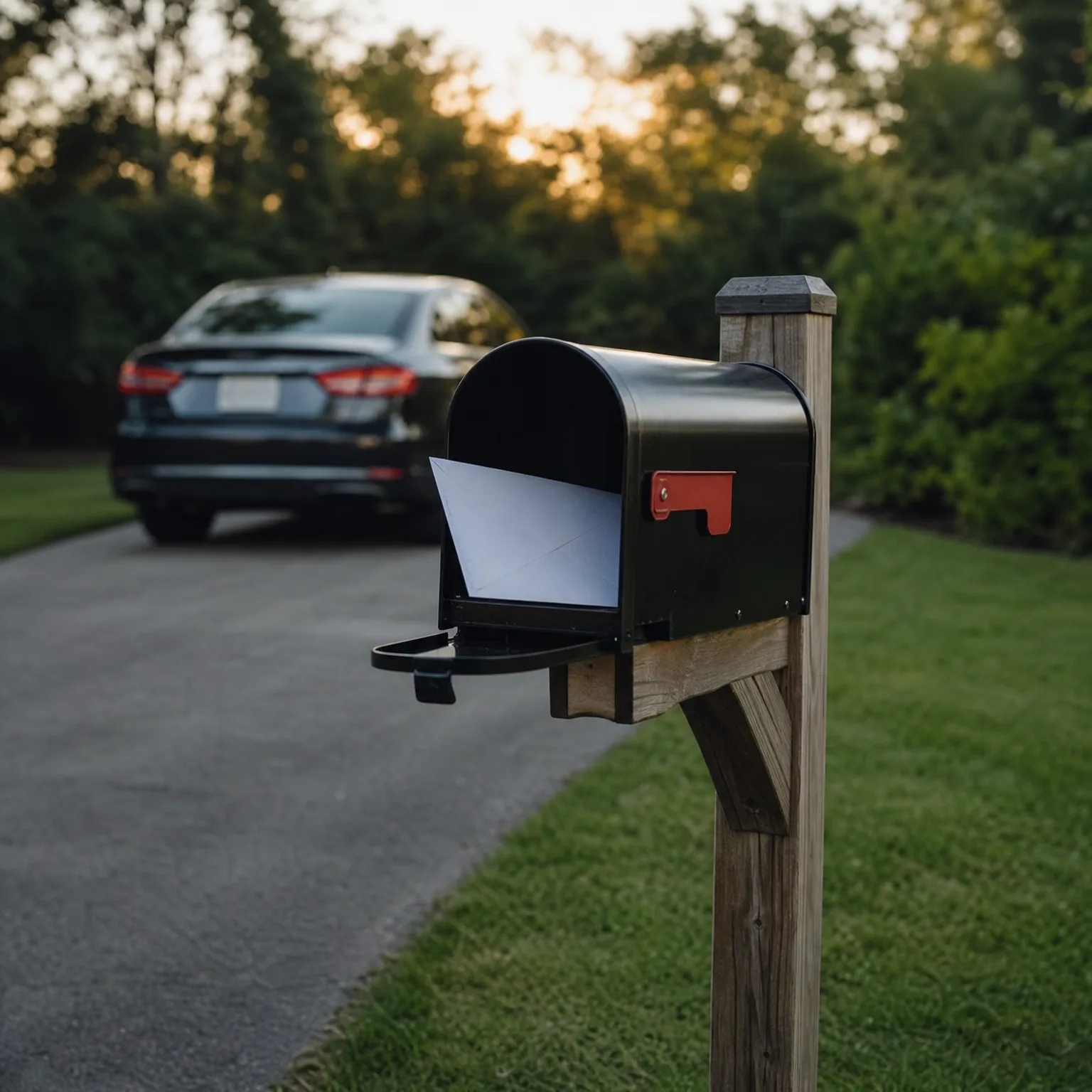
You must notify your carrier and request an updated SR-22 filing within 10-30 days, depending on state rules. The carrier submits a corrected certificate to the DMV showing your new address. There is typically no fee for address-change filings if you stay with the same carrier — the filing fee you paid at policy inception covers amendments during the policy term.
If you move to a new state during your SR-22 requirement, your home state's filing does not transfer. You must cancel your old state's SR-22 policy, obtain a new policy in your new state, and file SR-22 there if that state requires it. Some states accept out-of-state SR-22 filings for their reinstatement requirements; most do not. Call your new state's DMV before canceling your old policy to confirm whether they require a new filing or accept proof of continuous coverage from your previous state.
Failure to update your address when you move can result in your carrier mailing a non-renewal notice or lapse warning to an address you no longer monitor. If you miss the notice and your policy cancels, the carrier files an SR-26 cancellation form with the DMV, your SR-22 requirement clock resets to zero in most states, and you pay a new filing fee to reinstate. One missed address update can cost you 6-12 additional months of SR-22 filing time.

State-Specific SR-22 Rules That Affect Address Flexibility
California, Florida, and Virginia allow PO boxes for SR-22 filings with no physical address verification required. Texas and Illinois require a physical address on your driver's license but accept PO boxes as the SR-22 policy mailing address if the license shows a county or jurisdiction. Ohio and Indiana require the SR-22 address to match your license address exactly — if your license shows a PO box, your SR-22 must show the same PO box.
Some states treat address mismatches between your license and SR-22 filing as grounds for rejecting the certificate. If the DMV rejects your SR-22 because of an address discrepancy, you have 10-15 days to resolve it before your filing deadline passes and your license suspension extends. Update your license address first, then have your carrier refile the SR-22 with the corrected information.
States with digital SR-22 systems (Florida, California, Texas) process address-change filings within 1-3 business days. States using paper SR-22 certificates (some counties in Ohio, Indiana, Pennsylvania) can take 7-14 days to update their records after your carrier mails the corrected form. If you are close to a reinstatement deadline, confirm receipt with the DMV by phone rather than assuming the filing posted automatically.
Frequently Asked Questions
Can I use a family member's address for SR-22 if I don't live there?
Yes, if you have their written permission and can reliably receive mail there. The address on your SR-22 is a mailing address for DMV and carrier correspondence, not proof of residency. Update the address immediately if you lose access to that location to avoid missing renewal or cancellation notices.
Will my SR-22 get rejected if I use a PO box?
It depends on your state. California, Florida, and Virginia accept PO boxes for SR-22 filings with no restrictions. Texas and Illinois allow PO boxes as the policy mailing address if your driver's license shows a physical county. Ohio and Indiana require exact address matches between your license and SR-22 — if your license shows a PO box, your SR-22 must match it.
How do I file SR-22 if I'm living in a shelter?
Use the shelter's address as your mailing address on both your license and SR-22 filing. Non-standard carriers write SR-22 policies for shelter residents routinely. If your current carrier refuses, switch to a non-standard specialist whose underwriting systems handle transitional addresses without manual approval delays.
What happens if my carrier sends a cancellation notice to an old address?
Your policy will cancel for non-payment or non-renewal, the carrier files an SR-26 cancellation with the DMV, and your license suspends again. Most states reset your SR-22 filing period to zero after a lapse. Update your address with your carrier every time it changes, and use electronic billing to eliminate dependency on physical mail delivery.
Do I need to refile SR-22 if I move to a different state?
Usually yes. Most states do not accept out-of-state SR-22 filings for their own reinstatement requirements. You must obtain a new policy in your new state and file SR-22 there if required. Call your new state's DMV before canceling your old policy to confirm whether they require a new filing or accept proof of continuous coverage from your previous state.
Related Articles
SR-22 Without Permanent Address: What Homeless Drivers Need
5/18/2026

SR-22 & Domestic Violence Shelter Relocation Guide
5/18/2026

Can I Get SR-22 From an Out-of-State Insurer?
5/18/2026

SR-22 with a Driver Privilege Card: Costs & Carriers
5/18/2026
SR-22 Transfer When One Spouse Moves Out of State
5/18/2026
SR-22 for Non-Citizens: License, Not Citizenship, Matters
5/18/2026