SR-22 + Washington Ignition Interlock License: Filing Combined
Find Affordable Coverage After SR-22How Washington Links SR-22 Filing to Ignition Interlock License Requirements
Washington requires both SR-22 proof of insurance filing and an Ignition Interlock License for most DUI convictions, and the two requirements run concurrently with linked compliance periods. Your SR-22 filing must remain active for the entire duration of your IIL requirement, typically 1 to 10 years depending on your conviction count and BAC level. If your ignition interlock device registers a violation or you're found driving without the device, Washington DOL extends both your IIL period and your SR-22 filing requirement.
This dual-requirement structure creates a compliance trap most drivers don't anticipate: you can maintain perfect SR-22 coverage for two years, but a single interlock violation at month 23 can add another year to both requirements. The SR-22 clock doesn't run independently. It resets when your IIL compliance fails.
Washington uses graduated IIL periods based on offense severity. First DUI with BAC under 0.15 typically requires 1 year IIL and 3 years SR-22. First DUI with BAC 0.15 or higher requires 2 years IIL and 3 years SR-22. Second DUI within 7 years requires 5 years IIL and 3 years SR-22, but the SR-22 extends if the IIL period runs longer. Third or subsequent DUI requires 10 years IIL and SR-22 filing for the full duration.
What Triggers Combined SR-22 and IIL Requirements in Washington
Washington DOL issues an Ignition Interlock License after DUI conviction, reckless driving reduced from DUI, physical control violation, or refusing a breath test. Every IIL recipient must also file SR-22 proof of insurance before the license is issued. You cannot get the IIL without active SR-22 coverage, and you cannot legally drive without both in place.
The IIL application process requires proof of SR-22 filing before DOL processes your restricted license. Most drivers contact an insurance carrier first, obtain SR-22 coverage, wait for the carrier to electronically file with DOL, then apply for the IIL. Processing takes 5 to 10 business days after DOL receives your SR-22 filing. If your SR-22 lapses at any point during your IIL period, DOL suspends your IIL immediately and you start over.
Washington does not offer hardship licenses that bypass the interlock requirement. If you're required to install the device, you install it or you don't drive legally. Some drivers attempt to maintain SR-22 filing without installing the device, hoping to satisfy the insurance requirement while avoiding device costs. DOL flags this immediately and the IIL is not issued.
How IIL Violations Extend Your SR-22 Filing Period
Washington considers any of the following an IIL violation: failing an initial breath test when starting your vehicle, failing a rolling retest while driving, attempting to tamper with or disconnect the device, driving a vehicle without an installed interlock, or missing a required calibration appointment. Each violation category triggers a different extension period, and the SR-22 requirement extends with it.
A single failed breath test typically adds 30 days to your IIL period. Three failed tests within 6 months can add 6 months. Driving a non-equipped vehicle or tampering with the device adds 1 year minimum, and Washington DOL treats this as a new violation with its own SR-22 clock. Your SR-22 filing must remain active through every extension.
Most carriers do not notify you when DOL extends your requirement. You receive a notice from DOL, but your insurance policy continues as written. Drivers often assume their 3-year SR-22 period ended, cancel coverage, and discover months later that DOL extended the requirement and suspended their license for the lapse. Check your IIL compliance status with DOL directly before canceling SR-22 coverage.
What Washington SR-22 Combined with IIL Costs Monthly
SR-22 insurance in Washington with an active IIL requirement typically costs $180 to $320 per month for state minimum liability coverage, with the filing itself adding $25 to $50 annually. The ignition interlock device lease runs $70 to $150 per month depending on the provider and whether you choose camera-equipped or standard devices. Total monthly cost for insurance, filing, and device combined: $250 to $470.
Carriers writing SR-22 for IIL drivers in Washington include Progressive, GEICO (through assigned risk if direct underwriting declines), The General, Dairyland, and Bristol West. Most national carriers route IIL-required drivers to non-standard subsidiaries or decline coverage outright during the active interlock period. Rates drop significantly once the IIL requirement ends, even if SR-22 filing continues.
Adding comprehensive and collision coverage to an SR-22 + IIL policy increases monthly premiums by $90 to $180 depending on vehicle value and deductible. Most drivers on IIL carry state minimum liability only to reduce costs during the compliance period, then add full coverage after transitioning back to a standard license.

Your SR-22 Is Over. Your Rate Should Drop Too
Find Affordable Coverage After SR-22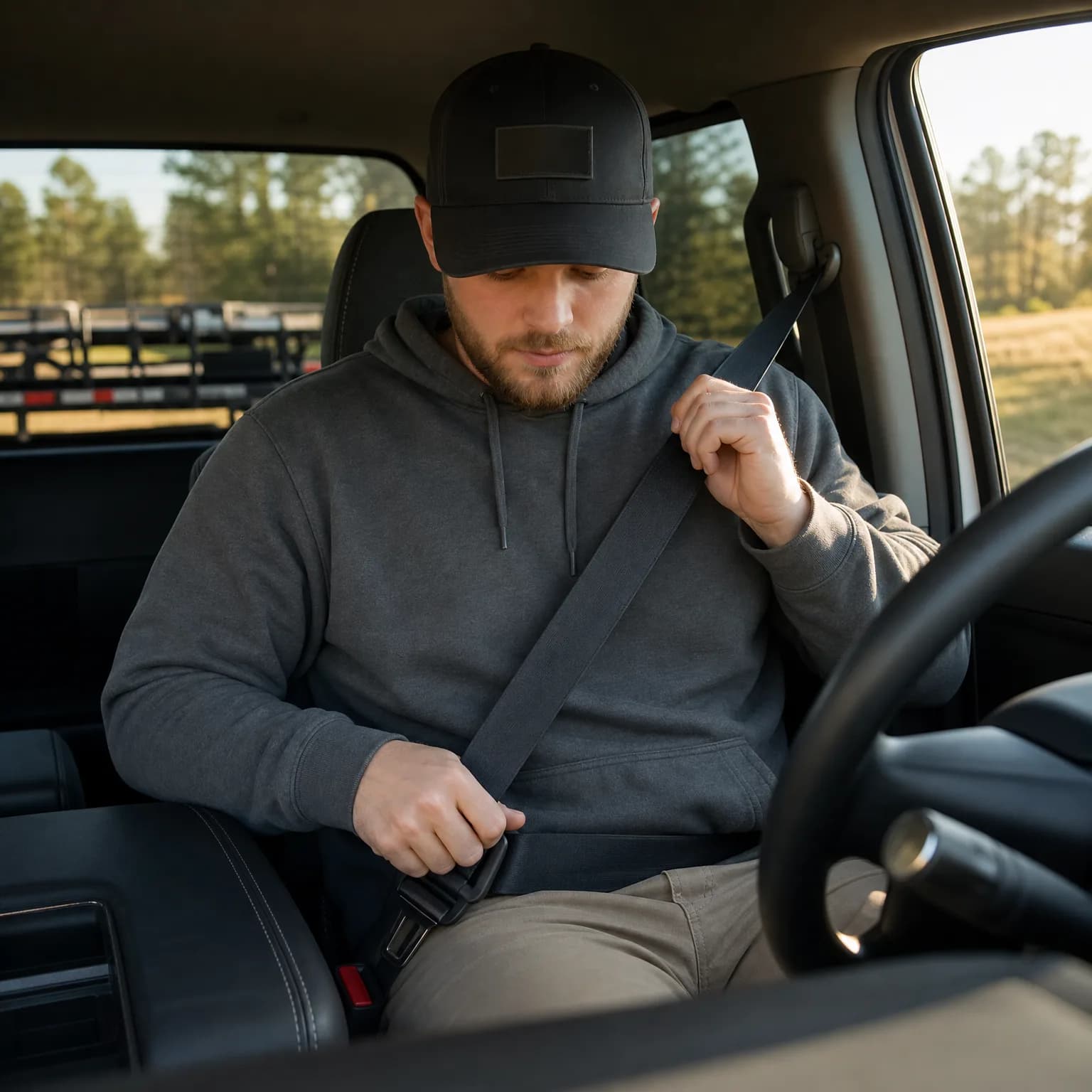
When Your IIL Ends and SR-22 Filing Continues
Washington IIL periods end on a specific compliance date set by DOL, not automatically after the minimum required time. If your IIL was 1 year but you had violations that added 4 months, your end date reflects the extended period. Once DOL confirms your IIL compliance is complete, you can apply for a standard license reinstatement. Your SR-22 filing requirement often continues after the IIL ends.
For first-offense DUI, Washington typically requires 1 year IIL and 3 years SR-22. This means you'll drive with the interlock for year one, then drive without it for years two and three while maintaining SR-22 coverage. Your rates drop once the IIL ends because you're no longer flagged as an active interlock driver, but the SR-22 filing keeps you in the non-standard or preferred-risk tier until year three.
DOL sends a compliance letter when your IIL period ends. Keep this letter. When you contact carriers to remove the interlock restriction and shop for better rates, they'll ask for proof the device requirement has been lifted. Drivers who assume the IIL end date matches their SR-22 end date often cancel coverage prematurely and trigger a new suspension.
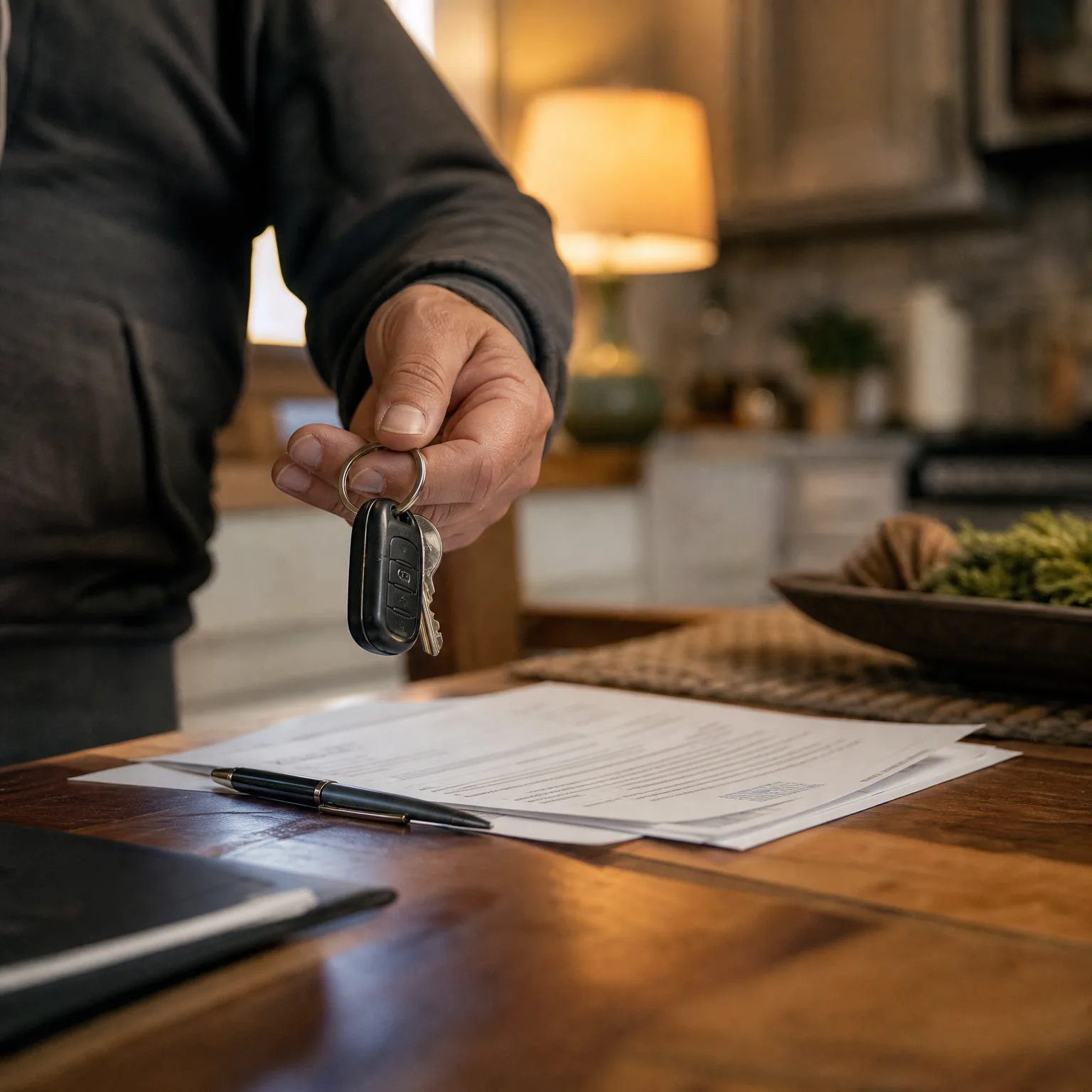
Which Carriers Compete for Post-IIL Drivers Still Filing SR-22
Once your IIL requirement ends but SR-22 filing continues, you move from high-risk interlock tier to standard SR-22 tier, and carrier availability opens significantly. Progressive, State Farm (select underwriting), Allstate (through independent agents), Farmers, and National General actively compete for drivers with completed IIL compliance and 12+ months clean SR-22 history. Rates in this tier run $95 to $160 per month for state minimum liability.
Carriers evaluate two separate risk signals: the original DUI that triggered both requirements, and your compliance behavior during the IIL period. A driver who completed 1 year IIL with zero violations and maintained continuous SR-22 coverage qualifies for significantly better rates than a driver who extended their IIL twice and had a coverage lapse. Your device compliance record matters more than the violation age at this stage.
Shop aggressively when your IIL ends. Most drivers stay with the carrier that wrote them during the interlock period, assuming no better options exist. That carrier priced you as an active IIL risk. Once the device comes off, you're a different underwriting profile and competitors will bid lower. Expect rate improvement of 30% to 50% if you shop within 30 days of IIL completion.
How to Verify Your Combined Requirement End Dates in Washington
Washington DOL maintains separate compliance tracking for IIL periods and SR-22 filing periods, and the two systems do not automatically sync. Log in to your DOL online account or call the Reinstatement Unit at 360-902-3600 to request your official IIL end date and SR-22 filing end date in writing. Do not rely on the date your attorney estimated or the date printed on your original court order if you've had any violations since sentencing.
Your SR-22 filing period is measured from the date DOL receives your initial SR-22 filing, not your conviction date or sentencing date. If you were convicted in January but didn't file SR-22 until March, your 3-year clock started in March. Your IIL period is measured from the date DOL issues the IIL, which is typically 5 to 10 days after your SR-22 filing is received. The two start dates can differ by weeks.
Request a compliance status letter from DOL 90 days before your anticipated end date. This letter confirms whether any unreported violations extended your requirement and provides the official release date. Carriers require this letter to remove SR-22 filing and transition you to standard insurance. Drivers who cancel SR-22 based on their own calendar calculation, without DOL confirmation, risk suspension and restarting the entire filing period.
Frequently Asked Questions
Can I get SR-22 insurance in Washington without installing an ignition interlock device?
You can obtain SR-22 insurance, but Washington DOL will not issue your Ignition Interlock License until the device is installed and you provide proof of installation from a state-certified provider. You cannot drive legally with SR-22 alone if DOL has ordered an IIL. The two requirements must both be satisfied to reinstate driving privileges.
What happens if my SR-22 lapses while I have an active IIL in Washington?
Washington DOL suspends your Ignition Interlock License immediately when your SR-22 coverage lapses. You must obtain new SR-22 coverage, pay a $75 reissue fee, and wait for DOL to process the reinstatement before you can drive legally again. The lapse may also extend your total SR-22 filing requirement depending on how long the gap lasted.
How long does SR-22 last after my ignition interlock requirement ends in Washington?
Washington typically requires 3 years of SR-22 filing for DUI convictions, while IIL periods range from 1 to 10 years depending on offense severity. If your IIL was 1 year, you'll continue SR-22 filing for 2 more years after the device is removed. If your IIL was 5 years or longer, your SR-22 filing runs concurrently and ends when the IIL period ends.
Do insurance rates drop immediately when my IIL ends in Washington?
Rates typically drop 30% to 50% once your IIL requirement ends and you notify your carrier or shop for new coverage, even though SR-22 filing continues. Carriers price active interlock drivers as higher risk than SR-22-only drivers. You must provide DOL's IIL compliance letter to qualify for the lower rate tier.
Can I remove SR-22 filing in Washington if I move to another state?
No. Washington's SR-22 requirement follows you to your new state of residence. You must maintain SR-22 filing through a carrier licensed in your new state for the full duration Washington DOL specified, regardless of where you live. Your new state's DMV will verify compliance with Washington's order before issuing a license.
Related Articles

WA Ignition Interlock License & SR-22: What You Need
5/18/2026

WA SR-22 & IIL: 3-Year Filing + Interlock Timeline
5/18/2026
WA SR-22 Carriers With Ignition Interlock Support
6/8/2026
SR-22 + Ignition Interlock in CA: 18-Month Timeline
5/18/2026

Arizona SR-22 & IID Overlap: 3-Year Filing Timeline
5/18/2026
SR-22 vs Ignition Interlock: Which Ends First?
5/18/2026