
Route Restricted License and SR-22 in South Carolina
Find Affordable Coverage After SR-22What Triggers a Route Restricted License and SR-22 Requirement in South Carolina
South Carolina issues route restricted licenses to drivers serving license suspensions who qualify for hardship relief. The most common triggers are DUI convictions, accumulation of 12 or more points within 12 months, or suspensions for failure to pay traffic tickets. The route restriction permits travel only to work, school, medical appointments, and court-ordered obligations.
The SCDMV requires SR-22 filing as a condition of issuing the restricted license. SR-22 is not insurance — it's a certificate your insurance carrier files directly with the DMV certifying you carry at least South Carolina's minimum liability coverage: $25,000 bodily injury per person, $50,000 per accident, and $25,000 property damage. The filing proves continuous coverage throughout your restricted period.
You cannot drive on a route restricted license without active SR-22 on file. If your carrier cancels your policy or the SR-22 lapses for any reason, the DMV receives electronic notification within 24 hours and your restricted license is immediately suspended until you refile.

How Long You'll Carry SR-22 on a Route Restricted License
The filing period for South Carolina route restricted licenses depends on the original suspension trigger. DUI offenders typically carry SR-22 for 3 years from the date of conviction. Point accumulation suspensions require SR-22 for the duration of the restricted period, typically 3-6 months, plus an additional reinstatement period.
The critical timing detail most drivers miss: your SR-22 obligation does not end when your route restricted license converts to full driving privileges. South Carolina requires continued SR-22 filing for a specified period after full reinstatement. For DUI cases, this means 3 years total measured from conviction date. For point suspensions, the filing continues 90 days beyond full license restoration.
Your reinstatement notice from the SCDMV will state your exact SR-22 end date. Do not rely on the restricted license duration alone to calculate your filing obligation. Canceling SR-22 early resets your entire filing clock to zero and triggers a new suspension.


What Route Restriction Actually Permits in South Carolina
South Carolina route restricted licenses authorize travel only for employment, education, religious worship, medical treatment, court appearances, and ignition interlock device servicing if applicable. The DMV does not issue written route maps — you are responsible for traveling the most direct path between your home and each approved destination.
Law enforcement may stop you at any time to verify your travel purpose. Carry documentation: work schedule or employer letter, class enrollment confirmation, medical appointment cards, or court notices. If stopped outside approved routes or times, you face immediate arrest for driving under suspension, a separate criminal charge that extends your original suspension.
Grocery shopping, errands, social events, and recreational travel are not permitted. Some drivers attempt to argue that grocery shopping falls under "medical necessity" or that visiting family qualifies as essential travel. South Carolina courts have consistently rejected these arguments. The restriction means exactly what it says.
How Much SR-22 Filing Costs With a Route Restricted License
The SR-22 certificate itself costs $25-$50 as a one-time filing fee paid to your insurance carrier. The real cost is the insurance premium increase. South Carolina drivers with DUI or major violations on record pay 80-140% more for liability coverage than clean-record drivers, with monthly premiums typically ranging from $140-$280 for state minimum limits.
Carriers that actively write SR-22 in South Carolina include Progressive, State Farm (through selected agents), GEICO (through non-standard division), The General, and Bristol West. Not all carriers accept route restricted license holders. State Farm and GEICO often decline DUI risks entirely or route them to assigned risk pools at significantly higher rates.
Estimates based on available industry data; individual rates vary by driving history, vehicle, coverage selections, and exact location. Drivers under 25 or with multiple violations may exceed the upper range. Shopping three carriers minimum is essential — rate spreads for SR-22 risks in South Carolina commonly exceed $100/month between the highest and lowest quote for identical coverage.

Your SR-22 Is Over. Your Rate Should Drop Too
Find Affordable Coverage After SR-22
The Filing Process: How to Get SR-22 on a Route Restricted License
Call insurance carriers that write SR-22 in South Carolina before your DMV hearing or reinstatement appointment. You need active SR-22 on file before the DMV will issue your route restricted license. Most carriers can file electronically within 24-48 hours, but processing delays happen. Start the insurance shopping process at least one week before your scheduled reinstatement date.
Once you purchase a policy, your carrier files the SR-22 certificate directly with the SCDMV. You receive a copy for your records, but the DMV does not require you to physically present it at reinstatement. The filing is electronic. Verify with your carrier that the filing transmitted successfully before your DMV appointment — transmission errors occur, and the burden is on you to confirm.
Bring your SR-22 confirmation, reinstatement fee ($100 for most suspensions, higher for DUI), proof of completion for any required programs (ADSAP for DUI, defensive driving for points), and valid identification to your reinstatement appointment. The DMV will issue your route restricted license the same day if all documentation is in order and your SR-22 filing shows active in their system.
What Happens If Your SR-22 Lapses During the Restricted Period
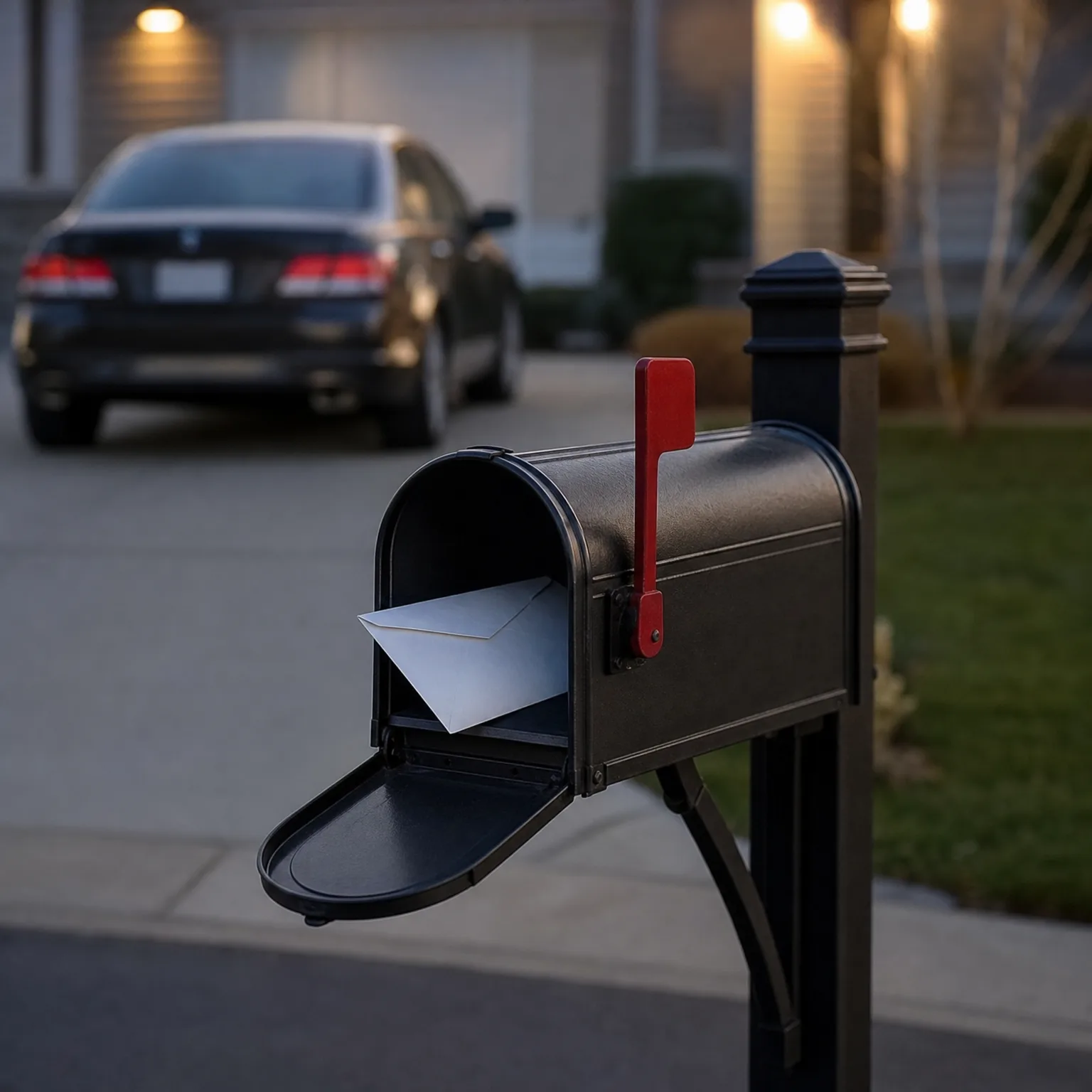
South Carolina operates real-time SR-22 monitoring. If your insurance carrier cancels your policy for non-payment or you voluntarily cancel coverage, the carrier electronically notifies the SCDMV within 24 hours. Your route restricted license is immediately suspended, and you lose all driving privileges.
Reinstating after an SR-22 lapse is not automatic. You must purchase a new policy, file a new SR-22, pay a second reinstatement fee, and in many cases your filing period restarts from zero. A DUI offender who lapses SR-22 in month 18 of a 36-month requirement does not resume at month 18 — the clock resets to month zero, adding another 3 years of filing obligation.
Set up automatic payment with your insurance carrier. SR-22 lapses for non-payment are the most common cause of extended filing periods. If you need to switch carriers during your filing period, coordinate the timing so your new SR-22 is active before canceling your old policy. Even a single day without coverage triggers suspension.
Transitioning From Route Restricted to Full License
Your route restriction ends after you complete the suspension period, maintain continuous SR-22 filing, and satisfy all court-ordered requirements. For DUI cases, this typically means completing ADSAP, serving the suspension or restricted period, and paying all fines. For point suspensions, the restriction lifts once the suspension term expires and you demonstrate 6-12 months of violation-free driving.
You must apply for full license reinstatement with the SCDMV. This is not automatic. Schedule a reinstatement appointment, bring proof of continued SR-22 coverage, and pay any outstanding fees. Your SR-22 filing obligation continues after full reinstatement — verify your exact end date on your reinstatement paperwork.
Once you transition to full driving privileges, your insurance rates do not immediately drop. You're still carrying SR-22, and carriers price SR-22 policies based on your violation history, not your current license status. Rate improvement happens gradually as the violation ages. Expect meaningful rate reductions 12-18 months after your SR-22 filing period ends, assuming no new violations.
Frequently Asked Questions
Can I drive out of state on a South Carolina route restricted license?
No. South Carolina route restricted licenses authorize travel only within state boundaries and only for approved purposes. Driving out of state on a restricted license is considered driving under suspension, even if your destination would qualify as an approved route within South Carolina. If you need to travel out of state for work or medical reasons, you must petition the court for a modification to your restricted license order before traveling.
Does SR-22 cover my vehicle or just me as a driver?
SR-22 is a certificate attached to an auto insurance policy, not a separate insurance product. If you own a vehicle, the SR-22 certifies your policy on that vehicle. If you don't own a vehicle but need SR-22 to maintain a route restricted license, you purchase a non-owner SR-22 policy that covers you as a driver in any vehicle you operate with permission. Non-owner SR-22 policies cost less but provide liability coverage only — no physical damage protection.
What happens if I get another ticket while on a route restricted license?
Any new traffic violation during your route restricted period can result in immediate suspension of your restricted privileges and extension of your SR-22 filing requirement. South Carolina courts view violations during restricted periods as evidence you're not complying with the terms of hardship relief. Even minor violations like expired registration or failure to signal have resulted in restricted license revocation. Drive exactly as required — the margin for error is zero.
Can I switch insurance carriers while carrying SR-22 on a route restricted license?
Yes, but timing is critical. Your new carrier must file SR-22 with the SCDMV before your old policy cancels. Coordinate the effective dates so there is no gap in coverage. Even one day without active SR-22 on file triggers automatic suspension of your restricted license. Contact your new carrier at least two weeks before you plan to switch, confirm they've filed SR-22 electronically, and verify the DMV shows it active in their system before canceling your old policy.
How do I prove I was on an approved route if I get stopped?
Carry documentation every time you drive: work schedule or employer letter stating your shift times and work address, school enrollment and class schedule, medical appointment cards, or court notices. Law enforcement will verify your origin, destination, time of day, and route taken. If you cannot document an approved purpose, you will be arrested for driving under suspension. Take photos of your documents and keep both physical and digital copies in your vehicle.
Related Articles

SC SR-22 and ADSAP: How They Work Together
5/18/2026

Cheapest Car Insurance After SR-22 in South Carolina
6/8/2026

SC SR-22 Insurance Cost Per Month
6/8/2026

How Much Insurance Drops After SR-22 Ends in SC
6/8/2026

Cheapest SR-22 After DUAC in South Carolina
6/8/2026
SR-22 After Reckless Driving: When Required & Duration
5/18/2026