
SR-22 After a Wet Reckless Plea: What Actually Changes
Find Affordable Coverage After SR-22Does a Wet Reckless Plea Eliminate the SR-22 Requirement?
In most states, it does not. The criminal plea bargain reduces your court conviction from DUI to wet reckless, but the DMV operates on a parallel track. Your SR-22 filing requirement typically originates from the administrative license suspension triggered at the time of arrest, not from the final criminal conviction. Reducing the charge in court does not undo the DMV's initial action.
California is the clearest example. A wet reckless conviction under Vehicle Code 23103.5 carries no mandatory SR-22 requirement from the court. But if your BAC measured 0.08% or higher at arrest, the DMV suspended your license administratively. That suspension requires SR-22 filing for three years regardless of your plea outcome. The criminal case and the DMV case are separate proceedings with separate consequences.
Some states do link criminal conviction to SR-22 duration. In these jurisdictions, a wet reckless plea may shorten your filing period or eliminate the requirement entirely. But you must confirm this with your state DMV directly. Most drivers discover the mismatch only after their attorney secures the plea and they contact their insurance carrier.

How the Administrative License Suspension Works Separately from Criminal Court
When you are arrested for DUI, two separate cases begin. The criminal case is prosecuted in court and can result in a plea bargain. The administrative case is handled by the DMV and focuses solely on whether your BAC exceeded the legal limit or you refused testing. The DMV does not care what happens in criminal court.
The administrative suspension typically takes effect 30 days after arrest unless you request a hearing. If the DMV upholds the suspension, you must file SR-22 to reinstate your license. This filing period is set by state law based on the violation, not the plea bargain. In California, a first-offense administrative suspension requires three years of SR-22. In Florida, it is three years for a first DUI-related suspension. These timelines do not change when your attorney negotiates a wet reckless plea.
Your attorney may successfully argue for a wet reckless in criminal court, reducing fines and avoiding a DUI on your criminal record. But unless they also win the DMV hearing or the state explicitly ties SR-22 duration to the criminal conviction, the filing requirement remains.


When a Wet Reckless Plea Actually Reduces SR-22 Filing Time
A handful of states tie SR-22 duration directly to the criminal conviction rather than the administrative suspension. In these states, reducing the charge to wet reckless can shorten your filing period or eliminate it. You need written confirmation from your DMV that the reduced charge changes your filing requirement. Do not assume it does.
In states where wet reckless is not a defined statute, the plea may be structured as reckless driving with alcohol involvement. Some DMVs treat this identically to DUI for SR-22 purposes. Others apply the standard reckless driving filing period, which is often shorter. The outcome depends entirely on how your state codes the offense internally.
If your attorney tells you the plea eliminates SR-22, ask for the specific statute or DMV rule that supports that claim. Then call your state DMV licensing division and confirm before you stop filing. Letting SR-22 lapse based on incorrect advice resets your filing clock to zero in most states.

Your SR-22 Is Over. Your Rate Should Drop Too
Find Affordable Coverage After SR-22What Happens to Your Insurance Rates After a Wet Reckless Conviction
Your carrier will surcharge you for the wet reckless conviction, but typically at a lower rate than a DUI. Most insurers apply a 40–70% rate increase for wet reckless compared to 70–130% for DUI. The difference matters over a three-year SR-22 filing period. On a $120/month policy, that is the difference between $840 and $1,560 in additional annual premium.
Carriers review your motor vehicle record, not court documents. If your state reports wet reckless separately from DUI on the MVR, you benefit from the reduced surcharge. If your state reports it as "alcohol-related reckless" or does not distinguish it from DUI in the record code, the carrier may apply the full DUI surcharge. Check your MVR 60 days after sentencing to confirm how the conviction appears.
Some carriers non-renew policies automatically after any alcohol-related conviction regardless of the charge name. If your current carrier cancels or non-renews you, the wet reckless plea does make you slightly more insurable in the non-standard market. Carriers like Progressive, Acceptance, and The General write wet reckless drivers at lower rates than DUI drivers, though you are still classified as high-risk.

How to Confirm Your Actual SR-22 Filing Period After the Plea
Call your state DMV licensing or driver services division. Give them your license number and ask for your SR-22 end date. Do not rely on what your attorney told you in court. Do not rely on what your insurer guesses. The DMV system shows the exact date your filing requirement terminates.
If the DMV confirms that the wet reckless plea reduced your filing period, get written documentation. Request a letter or print the page from your online driver record showing the revised end date. Forward this to your SR-22 insurance carrier so they do not continue filing beyond the required period. Carriers do not automatically monitor plea bargain outcomes.
If the DMV confirms that your filing period did not change, ask whether a petition or appeal process exists to shorten it based on the reduced conviction. Some states allow hardship petitions after one year of compliance. Others do not. Knowing this now shapes whether you focus on early reinstatement or simply riding out the full term.
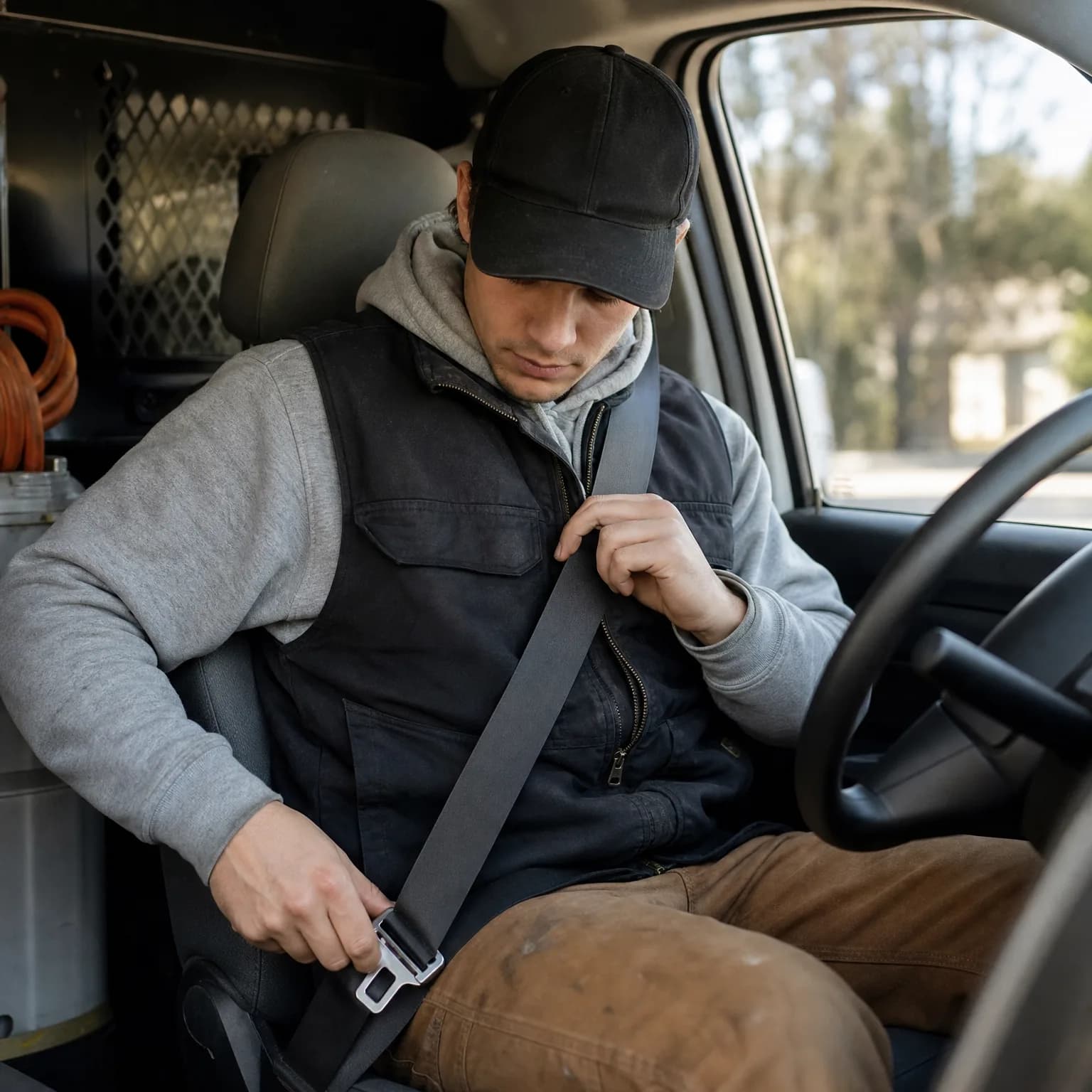
What to Do If You Are Already Filing SR-22 and Just Took a Wet Reckless Plea
Do not cancel your SR-22 policy until you confirm with the DMV that your filing requirement has ended or been reduced. If you let SR-22 lapse even one day before the DMV says you can, most states restart your filing clock from zero. That means another three years, not just the remaining time.
If your DMV confirms the plea shortened your filing period, contact your SR-22 carrier and request a filing end date update. The carrier submits a termination notice to the state when your policy ends or when you request SR-22 removal. If the new end date falls before your current policy term expires, you can switch to a standard carrier without SR-22 as soon as the requirement officially ends.
If the plea did not change your filing period, focus on rate reduction instead. Shop your policy with at least three carriers that write SR-22 in your state. Rates vary wildly in the non-standard market. The difference between the highest and lowest quote for the same wet reckless driver in the same state can exceed $100/month.
Frequently Asked Questions
Will my insurance company know I got a wet reckless instead of a DUI?
Your carrier reviews your motor vehicle record, not court documents. If your state reports wet reckless separately from DUI on the MVR, the carrier will see the reduced charge and apply a lower surcharge. If your state codes it identically to DUI or as alcohol-related reckless without distinction, the carrier may treat it the same as a DUI conviction.
Can I remove SR-22 from my policy immediately after a wet reckless plea?
Not without DMV confirmation that your filing requirement has ended. The plea bargain happens in criminal court, but SR-22 filing is controlled by the DMV. Call your state DMV and confirm your SR-22 end date before canceling the filing. Letting it lapse early restarts your filing clock to zero in most states.
Does wet reckless show up the same as DUI on a background check?
It shows up as the charge you pled to, which is typically reckless driving with alcohol involvement. Most background checks pull from criminal court records, where wet reckless appears as a misdemeanor reckless driving conviction, not DUI. Insurance companies pull from the DMV motor vehicle record, which may or may not distinguish the two depending on your state.
How much cheaper is SR-22 insurance with a wet reckless compared to a DUI?
Wet reckless typically triggers a 40–70% rate increase compared to 70–130% for DUI. On a $120/month base policy, that is $48–84/month added for wet reckless versus $84–156/month for DUI. The difference compounds over the full SR-22 filing period, which is often three years.
If I move to a different state, does my wet reckless conviction transfer to the new SR-22 requirement?
Your conviction follows you to the new state through the National Driver Register and interstate compacts. If your original state required SR-22, most states will require you to maintain it until the original filing period ends. The new state DMV will typically honor the original end date, but you must re-file SR-22 with a carrier licensed in the new state within 30 days of establishing residency.
Related Articles

SR-22 After DUI Plea Reduction: Does Filing Still Apply?
5/18/2026

SR-22 After Plea Bargain: Does Reduced DUI Still Require It?
5/18/2026

Early SR-22 Termination After Case Dismissal: Who Qualifies
5/18/2026

SR-22 After Reckless Driving: When Required & Duration
5/18/2026

SR-22 After DUI Expungement: Filing Still Required
5/18/2026

SR-22 After Deferred Adjudication: Filing Rules
5/18/2026