
Missed Interlock Appointment: SR-22 Filing Risks & Next Steps
Find Affordable Coverage After SR-22What Happens When You Miss an Ignition Interlock Service Appointment
Your ignition interlock device enters lockout mode within 5 to 7 days of a missed service appointment in most states. The device will not allow the vehicle to start once the grace period expires. Your interlock provider reports the missed appointment to the court and DMV within 3 to 7 business days, depending on state reporting requirements and provider protocol.
If you are required to maintain SR-22 insurance as a condition of your interlock-restricted license, the missed appointment can trigger a probation violation or compliance review. In most states, the DMV will not immediately cancel your SR-22 filing for a missed appointment, but a subsequent suspension for noncompliance will. Your insurance carrier receives notice of the suspension 10 to 30 days after the DMV processes it, at which point your SR-22 filing lapses and your compliance period resets.
The gap between the missed appointment and the SR-22 lapse creates a short window to act. Rescheduling the service appointment and filing a compliance report with your probation officer or DMV within 48 to 72 hours can prevent the suspension from being entered into your record. Most interlock providers allow one missed appointment without penalty if you reschedule within the grace period and provide documentation.
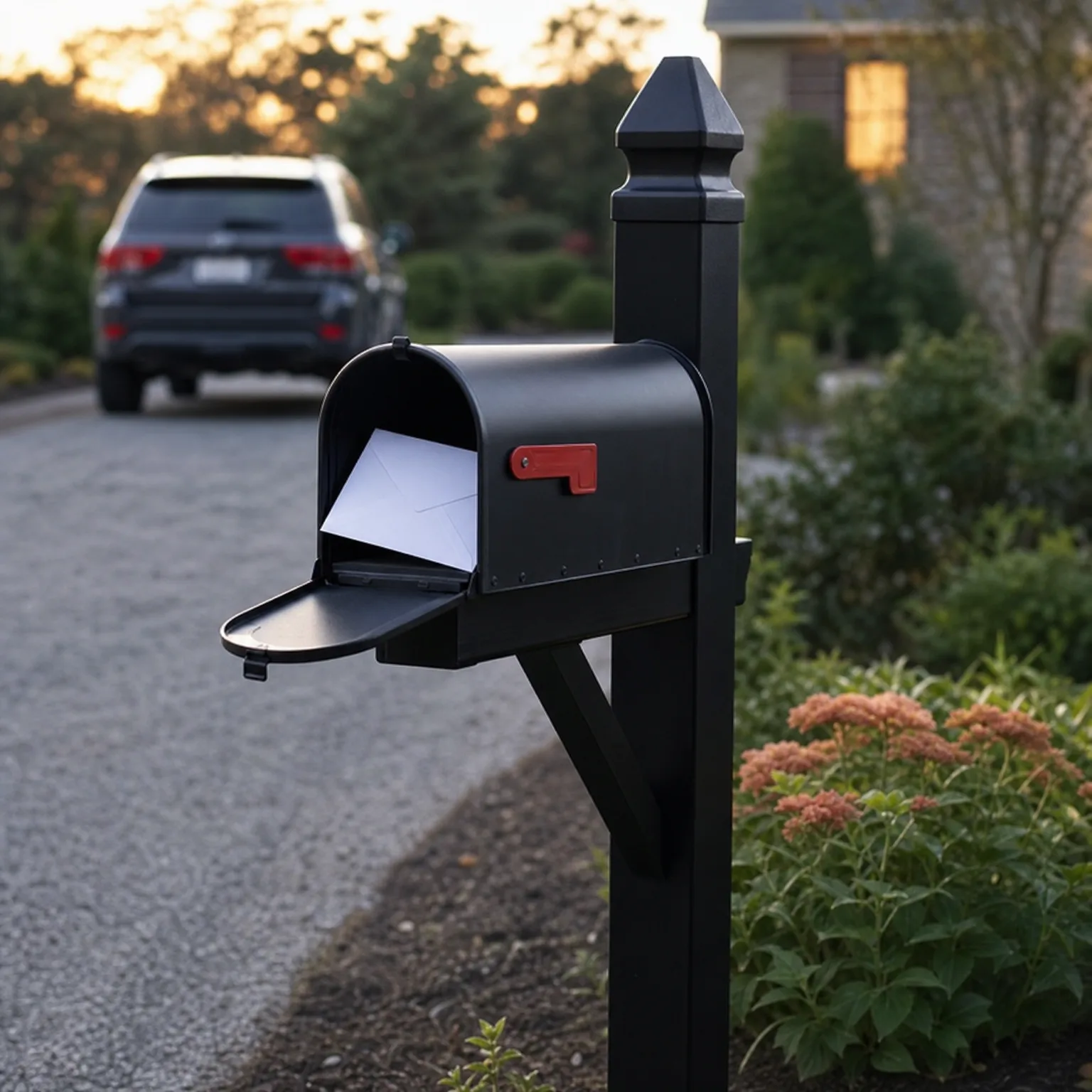
How a Missed Appointment Affects Your SR-22 Insurance Filing
Your SR-22 filing remains active as long as your license remains valid and your insurance policy stays in force. A missed interlock appointment does not directly cancel your SR-22, but the license suspension that follows does. In most states, a suspension triggered by interlock noncompliance requires you to file a new SR-22 and restart the full filing period from the reinstatement date.
If your original SR-22 requirement was 3 years and you were 2 years into compliance when the suspension occurred, the clock resets to zero. You will owe 3 additional years of SR-22 filing from the date you reinstate your license. This reset applies in all states that require continuous SR-22 filing, not just the initial filing at the time of conviction.
Your insurance carrier will not proactively notify you when a suspension is reported. Most carriers cancel the policy within 30 days of receiving suspension notice from the DMV, at which point the SR-22 filing lapses. You are responsible for maintaining valid insurance and a valid license throughout the entire SR-22 period. Any gap longer than 24 hours in most states triggers a filing lapse and compliance restart.

Immediate Steps to Take After Missing Your Appointment
Call your interlock provider within 24 hours of the missed appointment. Reschedule for the earliest available slot, ideally within 48 hours. Request written confirmation of the new appointment date and ask whether the missed appointment has already been reported to the DMV or court. If it has not been reported yet, you may be able to complete the makeup appointment before any violation is entered.
Contact your probation officer or court-ordered monitoring agency on the same day. Notify them of the missed appointment, provide your rescheduled appointment confirmation, and ask whether you need to file a compliance affidavit or written explanation. Some jurisdictions allow a one-time administrative cure if you act immediately and provide documentation.
Check your license status online through your state DMV portal. In most states, a suspension triggered by interlock noncompliance appears in your driving record within 5 to 10 business days of the missed appointment report. If your license status shows active, you are still within the window to prevent suspension. If it shows pending suspension or compliance review, you need to file reinstatement paperwork immediately after completing the makeup service.
Do not drive the vehicle until the makeup service is completed and the device exits lockout mode. Driving a vehicle equipped with a locked interlock device is a separate violation in most states and can result in additional suspension time, fines, and extension of your SR-22 filing requirement.
How Interlock Providers Report Missed Appointments to the DMV
Interlock service providers are required by state law to report noncompliance events to the DMV and court within a specified timeframe, typically 3 to 7 business days. A missed service appointment qualifies as a noncompliance event in every state that mandates ignition interlock devices. The report includes your name, case number, device serial number, the missed appointment date, and the number of days overdue.
The DMV processes the noncompliance report and issues a suspension notice or compliance review letter within 10 to 15 business days in most states. The notice is mailed to your address of record, and in some states it is also posted to your online DMV account. You typically have 10 to 30 days from the notice date to request a hearing or cure the noncompliance before the suspension takes effect.
If you complete the makeup service appointment and file a compliance affidavit before the suspension is entered, most DMVs will close the noncompliance case without further action. This process varies by state. In California, you must file a Declaration of Compliance form with the DMV within 15 days of the makeup service. In Texas, the interlock provider files an updated compliance report directly with the DMV once the makeup appointment is completed, and no separate affidavit is required.

Your SR-22 Is Over. Your Rate Should Drop Too
Find Affordable Coverage After SR-22
SR-22 Filing Consequences if Your License Is Suspended
A license suspension triggered by interlock noncompliance terminates your SR-22 filing in most states. Your insurance carrier receives electronic notice of the suspension from the DMV and cancels the SR-22 certificate within 30 days. The cancellation is reported back to the DMV, which closes your SR-22 compliance record. When you reinstate your license, you are required to file a new SR-22 and begin a new filing period.
In states that require 3 years of continuous SR-22 filing, the new filing period runs for 3 full years from the reinstatement date, regardless of how long you had already been in compliance before the suspension. If you were 2 years into your original SR-22 requirement, you will owe 5 total years of SR-22 filing: the original 2 years plus the new 3-year period. There is no credit for time already served.
Reinstatement fees after an interlock-related suspension range from $125 to $500 depending on the state. You must pay the reinstatement fee, provide proof of a new SR-22 filing, complete any outstanding interlock service requirements, and in some states complete a reinstatement hearing before your license is restored. The entire reinstatement process typically takes 30 to 60 days from the date you file all required paperwork.

How to Prevent Future Missed Appointments and Protect Your SR-22
Set two calendar reminders for every interlock service appointment: one 7 days before and one 48 hours before. Most interlock providers require service every 30 to 60 days, and the appointment window is strict. Missing the window by even one day triggers a noncompliance report in most states. Treat the service deadline as non-negotiable.
If you cannot make a scheduled appointment due to work, medical emergency, or other conflict, call your interlock provider at least 48 hours in advance to reschedule. Most providers allow one reschedule per appointment without penalty if you provide advance notice. Do not wait until the appointment day to cancel. Last-minute cancellations are treated as missed appointments in most provider systems.
Request appointment reminder texts or emails from your interlock provider if they offer them. Many providers send automated reminders 10 days and 3 days before your service date. Confirm that your phone number and email address are current in the provider's system. If you change your contact information, update it with both the interlock provider and your insurance carrier to ensure you receive suspension notices and compliance alerts.
Which Carriers Continue SR-22 Coverage After Interlock Violations
Not all carriers that write SR-22 insurance will continue coverage after an interlock-related suspension or noncompliance event. Standard carriers and most preferred non-standard carriers non-renew policies at the first suspension notice. You will need a carrier that specializes in high-risk drivers with active or recent interlock requirements and multiple violations.
Progressive, The General, and National General write SR-22 policies for drivers with interlock devices and recent noncompliance events in most states. These carriers expect multiple violations and price policies accordingly. Rates after an interlock-related suspension typically run $180 to $320 per month for state minimum liability coverage, compared to $90 to $150 per month for a DUI conviction with no subsequent violations.
Some regional non-standard carriers will write coverage immediately after reinstatement if you can demonstrate 90 days of clean interlock compliance following the missed appointment. Bristol West, Acceptance, and Dairyland write post-suspension SR-22 policies in most states and offer lower rates than national high-risk carriers if you provide proof of recent compliance. Expect to provide interlock service records and a current DMV driving abstract when you apply.
Frequently Asked Questions
How long do I have to reschedule a missed ignition interlock appointment before my license is suspended?
Most states give you 5 to 7 days from the missed appointment date to complete a makeup service before the interlock provider reports noncompliance to the DMV. The DMV processes the report and issues a suspension notice within 10 to 15 business days. You typically have 10 to 30 days from the notice date to cure the violation before the suspension takes effect, but the exact timeline varies by state.
Does a missed interlock appointment automatically cancel my SR-22 insurance?
No. The missed appointment does not cancel your SR-22 filing directly, but the license suspension that follows does. Your insurance carrier cancels the SR-22 certificate within 30 days of receiving suspension notice from the DMV. The cancellation resets your SR-22 compliance period to zero in most states, and you will need to file a new SR-22 and restart the full filing period when you reinstate your license.
Can I drive my car after missing an interlock service appointment?
No. Your ignition interlock device enters lockout mode within 5 to 7 days of a missed appointment and will not allow the vehicle to start. Driving a vehicle equipped with a locked interlock device is a separate violation in most states and can result in additional fines, suspension time, and extension of your SR-22 requirement. Wait until you complete the makeup service and the device exits lockout mode before driving.
Will my insurance rate go up after a missed interlock appointment?
Yes, if the missed appointment results in a license suspension. Carriers that write SR-22 policies for interlock-equipped drivers will non-renew your policy or increase your rate by 30% to 80% at renewal after a suspension. If your carrier cancels the policy, expect to pay $180 to $320 per month with a high-risk carrier compared to $90 to $150 per month before the suspension.
How do I prove I rescheduled my interlock appointment to avoid a suspension?
Request written confirmation of your rescheduled appointment from your interlock provider and file a compliance affidavit with your probation officer or DMV within 48 hours of the makeup service. In California, use Form DL 920 Declaration of Compliance. In Texas, the provider files an updated compliance report directly with the DMV once the makeup service is completed. Keep copies of all appointment confirmations and service records for your file.
Related Articles
Interlock Lockout & SR-22 Carrier Notification Rules
5/18/2026
Interlock Violations & SR-22: What Gets Reported
5/18/2026

SR-22 vs Ignition Interlock: Which Ends First?
5/18/2026

SR-22 Lapse for One Day: Stop the 30-Day Suspension
5/18/2026

Ignition Interlock Removal While SR-22 Active: Changes
5/18/2026
Restart SR-22 After Lapse: Same-Day Reinstatement Guide
5/18/2026