
How to Switch from Non-Owner to Owner SR-22 When You Buy a Car
Find Affordable Coverage After SR-22Does your non-owner SR-22 automatically convert when you buy a car?
No. A non-owner SR-22 policy does not convert to an owner policy when you purchase a vehicle. You need a new auto insurance policy that covers the car you now own, and you need a new SR-22 filing attached to that policy.
Most carriers writing non-owner policies are specialty insurers focused on high-risk drivers without vehicles. When you buy a car, you exit their underwriting model. Some will write you an owner policy under a different subsidiary at a higher rate. Others won't insure vehicle owners at all.
The filing itself doesn't transfer between policies. Your state DMV tracks SR-22 by policy number. When your non-owner policy ends, that SR-22 filing ends with it. If your new owner policy SR-22 doesn't reach the DMV before the old one lapses, most states treat that gap as a new violation and restart your filing clock from zero.
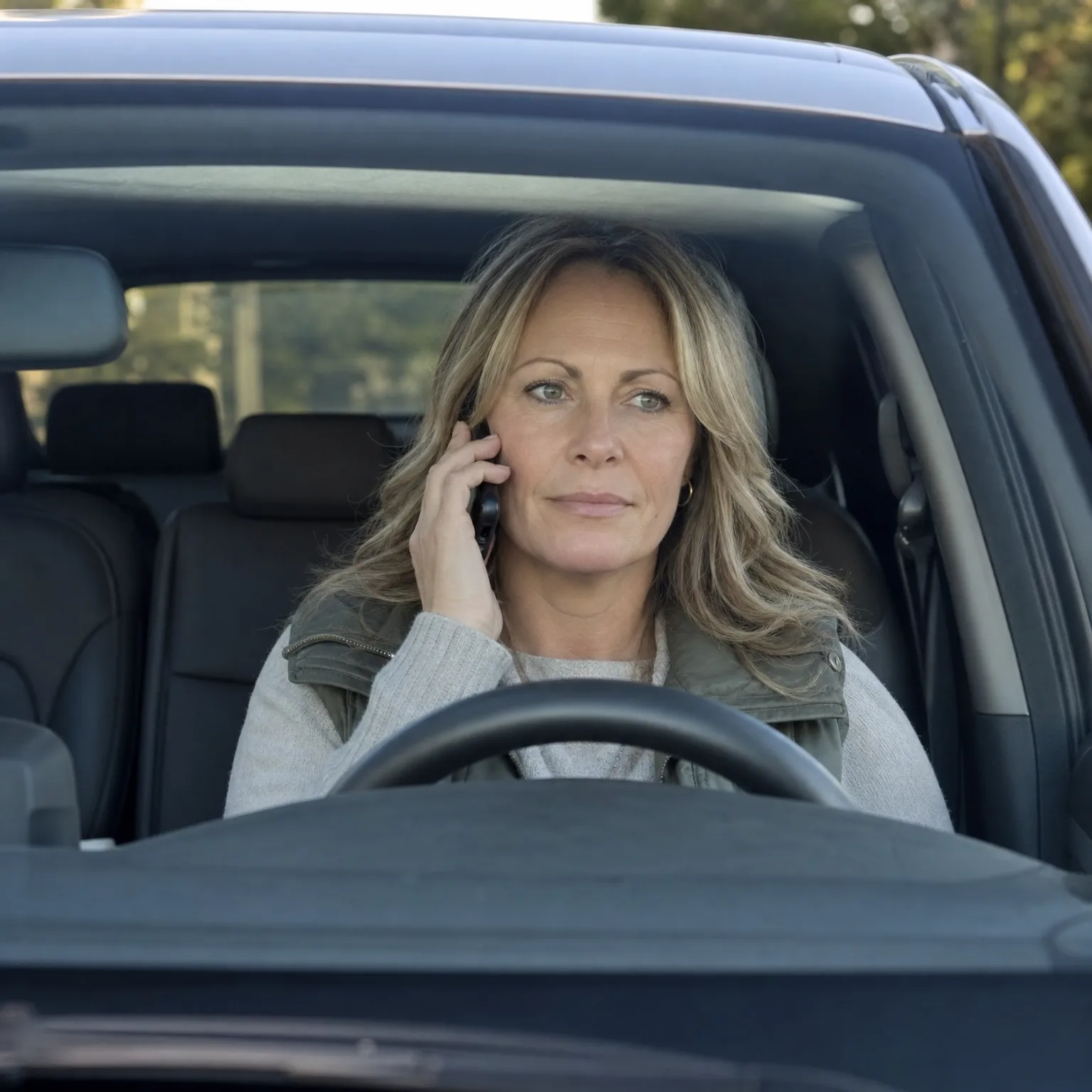
What happens to your SR-22 requirement when you switch policies?
Your SR-22 filing requirement stays active regardless of which policy it's attached to. The requirement is tied to your driver's license, not your insurance policy. What changes is which carrier files proof of coverage with your state DMV.
When you cancel your non-owner policy, that carrier notifies the DMV that your SR-22 is no longer in force. You have a narrow window to get a new SR-22 filed on your owner policy before the DMV registers a lapse. In most states, that window is 30 days or less. Some states flag a lapse within 24 hours.
A lapse resets your SR-22 clock and typically triggers an immediate license suspension. If you were two years into a three-year requirement, a single day of lapse moves you back to day zero. The DMV does not grandfather your compliance time.


How to transition SR-22 from non-owner to owner without a gap
Buy your new owner policy and request SR-22 filing before you cancel the non-owner policy. Overlap both policies for at least one full billing cycle to guarantee the new SR-22 reaches your DMV before the old filing drops.
Most carriers take 3 to 10 business days to process and file SR-22 with the state. The DMV takes an additional 5 to 15 days to update their records. If you cancel your non-owner policy the same day you buy the owner policy, the gap between filings creates a lapse even if both policies were technically active on the same date.
Contact your new carrier and confirm the SR-22 was filed and accepted by the DMV before canceling the non-owner policy. Request a filing confirmation letter with the date stamped by the state. Once you have that confirmation, cancel the non-owner policy. You'll pay for overlapping coverage for one month, but that cost is far lower than restarting your entire SR-22 period.

Your SR-22 Is Over. Your Rate Should Drop Too
Find Affordable Coverage After SR-22Which carriers write owner SR-22 after you've been on non-owner coverage?
Most drivers on non-owner SR-22 are working with specialty high-risk carriers like The General, Direct Auto, Acceptance Insurance, or regional non-standard writers. When you buy a car, some of these carriers will write you an owner policy. Others exit the relationship entirely.
National brands like GEICO, Progressive, and State Farm write SR-22, but they route high-risk drivers to separate underwriting tiers or subsidiaries. A driver transitioning from non-owner to owner often qualifies for better rates with a national carrier than they did on the non-owner policy, especially if the SR-22 requirement is within six months of ending.
Shop at least three carriers before binding the owner policy. Rates for the same driver on the same vehicle with the same SR-22 requirement vary by 40% to 90% between carriers. The carrier that wrote your non-owner policy is rarely your best option once you own a vehicle.

What documents do you need to get SR-22 on your new owner policy?
You need your driver's license, the VIN and title for the vehicle you purchased, proof of your current SR-22 filing, and the original court order or DMV notice that triggered the requirement. Most carriers also request your full driving record.
Bring a copy of your current SR-22 certificate when you apply for the owner policy. The new carrier needs to know which state requires the filing, the filing start date, and the total duration. If you're filing in a state you recently moved to, bring documentation of your previous state's requirement as well.
Some states require specific liability limits for SR-22 filers that exceed the standard state minimums. Your carrier will apply those limits automatically, but confirm the coverage meets your state's SR-22 threshold before binding the policy. Underfiling triggers the same lapse consequences as no filing at all.

How much does SR-22 cost on an owner policy compared to non-owner?
Owner SR-22 policies cost more than non-owner policies because you're now insuring a vehicle in addition to your liability as a driver. A non-owner policy typically runs $30 to $70 per month. An owner SR-22 policy for the same driver averages $120 to $250 per month, depending on the vehicle, your state, and how much time remains on your SR-22 requirement.
The SR-22 filing fee itself stays the same, typically $15 to $50 depending on your state and carrier. The rate increase comes from adding collision, comprehensive, and higher liability limits to cover the car you now own.
If you're within six months of completing your SR-22 requirement, some carriers offer rates close to standard pricing. If you're early in the requirement, expect non-standard rates until the filing period ends. Rates normalize within 6 to 12 months after your SR-22 requirement is satisfied and the filing is removed from your record.
Frequently Asked Questions
Can I keep my non-owner SR-22 after I buy a car?
No. A non-owner SR-22 policy only covers your liability as a driver, not a vehicle you own. Once you purchase a car, you must switch to an owner policy with SR-22 filing attached to that new policy. Keeping the non-owner policy active after buying a car leaves the vehicle uninsured and creates a coverage gap the DMV treats as an SR-22 lapse.
How long do I have to file a new SR-22 when switching from non-owner to owner?
Most states allow 30 days or less between SR-22 filings before they register a lapse. Some states flag gaps within 24 hours. To avoid this, overlap both policies for at least one billing cycle and confirm your new SR-22 was filed and accepted by the DMV before canceling the non-owner policy.
Will my SR-22 filing period reset if I switch from non-owner to owner?
Your filing period only resets if a coverage gap occurs between the two policies. If you maintain continuous SR-22 coverage with no lapse, the time you already served on the non-owner policy counts toward your total requirement. A lapse of even one day resets the clock to zero in most states.
Does the SR-22 filing fee increase when I switch to an owner policy?
No. The SR-22 filing fee stays the same, typically $15 to $50 depending on your state and carrier. What increases is the premium for the insurance policy itself, because you're now covering a vehicle in addition to your liability as a driver.
Can I get SR-22 on a financed car if I'm still a high-risk driver?
Yes. Lenders require full coverage on financed vehicles, which includes liability, collision, and comprehensive. You can add SR-22 filing to a full-coverage policy. Expect higher premiums than standard drivers, but most carriers writing SR-22 also write full coverage for financed vehicles.
Related Articles
Converting Owner SR-22 to Non-Owner After Selling Car
5/18/2026

Can You Add a Vehicle to Non-Owner SR-22 Insurance?
5/18/2026
Can I Have an SR-22 and Non-Owner SR-22 at the Same Time?
5/18/2026

Non-Owner SR-22 Insurance: Setup Guide for No Vehicle
5/18/2026
Selling Your Car Mid-SR22: Filing Rules & Non-Owner Options
5/18/2026
SR-22 After Total Loss: Avoid Filing Gaps Without a Car
5/18/2026