
Can You Add a Vehicle to a Non-Owner SR-22 Policy?
Find Affordable Coverage After SR-22Why Non-Owner SR-22 Policies Prohibit Vehicle Additions
Non-owner SR-22 policies are underwritten as liability-only coverage for drivers who do not own or regularly operate a specific vehicle. The risk model assumes you're borrowing cars occasionally or using rideshares. When you purchase and register a vehicle in your name, that assumption breaks — and most carriers void the non-owner policy automatically, often without advance notice.
The contractual language in most non-owner policies includes a vehicle ownership exclusion. If the DMV records show you as the registered owner of any vehicle, the carrier can cancel your policy for material misrepresentation or breach of policy terms. This isn't a coverage adjustment — it's a full cancellation, which means your SR-22 filing ends the same day.
The filing gap is the real problem. Most states require continuous SR-22 coverage for the full filing period — typically 3 years from the conviction or suspension date. If your non-owner policy cancels and you don't have a new owner SR-22 policy active the same day, the DMV receives a lapse notification from your carrier. In most states, a single day of lapse resets your filing clock to day zero. You don't pick up where you left off — you start the entire 3-year period over again.
What Happens When You Register a Vehicle During Non-Owner SR-22 Coverage
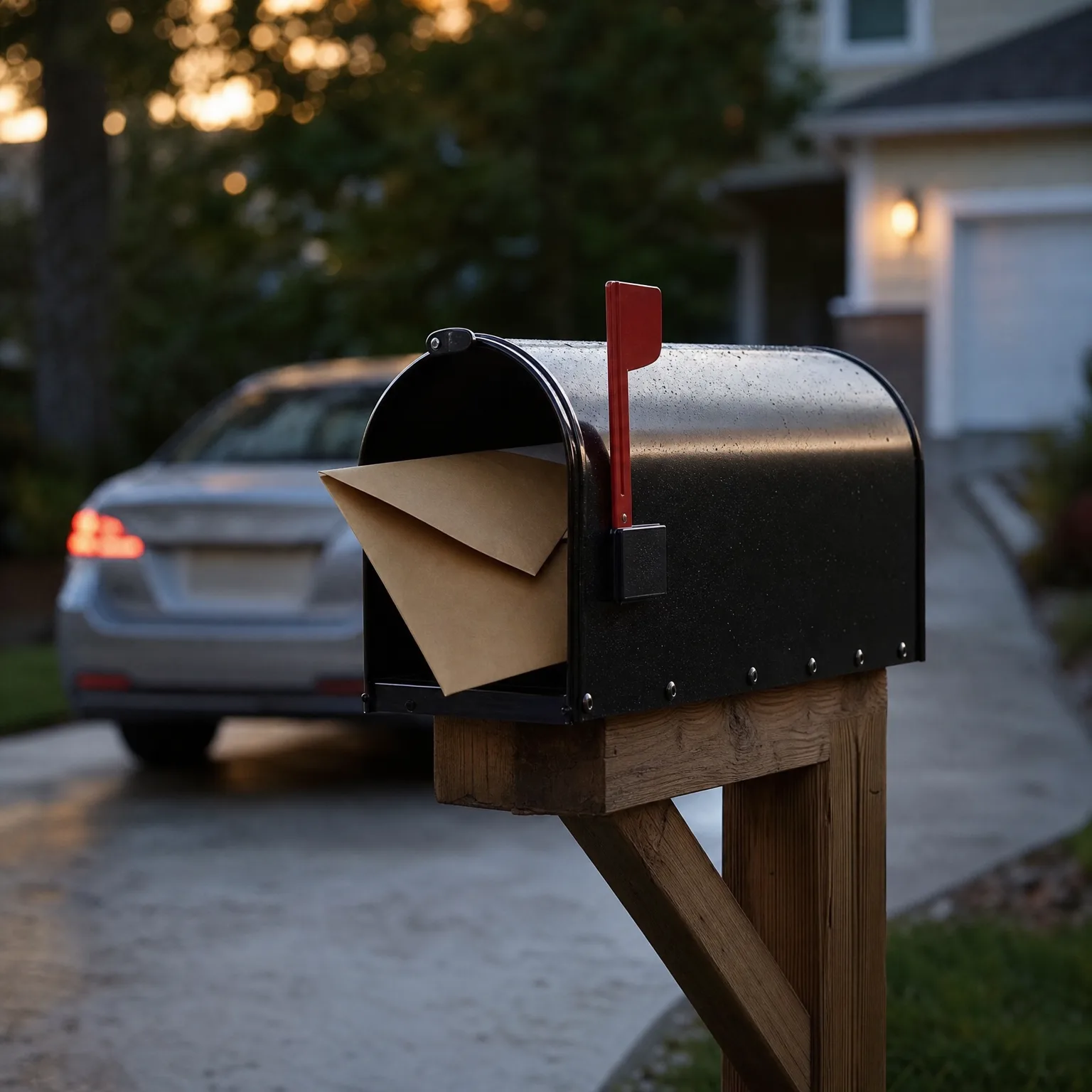
The moment you register a vehicle at the DMV, that registration feeds into state insurance verification systems. Your carrier receives notification that you now own a vehicle, either immediately or within 10–30 days depending on the state. Once the carrier confirms you're the registered owner, they issue a cancellation notice — typically with 10 days advance notice in most states, though some carriers cancel effective immediately if the policy application specifically asked whether you owned a vehicle.
If you added the vehicle to your non-owner policy before the carrier discovered the registration, the claim will be denied. Non-owner policies explicitly exclude coverage for vehicles you own, lease, or have regular access to. The policy was never designed to cover that vehicle, so any accident or liability claim involving it will be rejected even if you paid the premium.
You'll receive two notices: one from your carrier canceling your non-owner policy, and one from the DMV indicating your SR-22 filing has lapsed. The DMV notice typically arrives 7–14 days after the carrier files the SR-26 cancellation form. By the time you receive it, your license is often already suspended again. Most states don't provide a grace period — the suspension is automatic the moment the filing gap is recorded.

How to Transition from Non-Owner SR-22 to Owner SR-22 Without a Lapse
Start shopping for owner SR-22 coverage before you purchase the vehicle. Contact carriers that write SR-22 in your state and request quotes for an owner policy with the specific vehicle you plan to buy. Most carriers can bind coverage with a future effective date — typically up to 30 days out. This lets you lock in the policy before you finalize the car purchase.
On the day you register the vehicle, your new owner SR-22 policy must be active. Coordinate the effective date with your DMV registration appointment. The new carrier will file an SR-22 with the state the same day the policy binds, and that filing replaces your non-owner SR-22 without any gap. You can cancel your non-owner policy once the new SR-22 filing is confirmed — most carriers process the SR-22 filing within 24–48 hours of binding, though some file it instantly.
If you've already purchased the vehicle and registered it before securing owner SR-22 coverage, contact a high-risk carrier immediately. Explain that you need same-day binding and SR-22 filing to avoid a lapse. Some carriers can bind coverage over the phone and file the SR-22 electronically within hours. The faster you act, the smaller the filing gap — and in some states, if the gap is under 24 hours and you can document that you secured new coverage the same day, the DMV may waive the lapse penalty on a case-by-case basis.

Your SR-22 Is Over. Your Rate Should Drop Too
Find Affordable Coverage After SR-22Which Carriers Write Owner SR-22 After Non-Owner SR-22
Most carriers that write non-owner SR-22 also write owner SR-22, but the underwriting standards are stricter for owner policies. Non-owner SR-22 carriers include Progressive, The General, Bristol West, and Dairyland in most states. When you transition to owner SR-22, expect a full underwriting review — the carrier will pull your current driving record, verify the vehicle VIN and registration, and re-rate your policy based on the vehicle type, your ZIP code, and your updated risk profile.
Owner SR-22 premiums are typically 40–80% higher than non-owner SR-22 premiums. A non-owner SR-22 policy costs $25–$50 per month on average because it carries no collision or comprehensive coverage and the liability exposure is lower. An owner SR-22 policy for the same driver might cost $150–$300 per month depending on the vehicle, because the carrier now assumes liability risk, collision risk if you add that coverage, and theft risk. The SR-22 filing fee itself doesn't change — that's typically $25–$50 one-time — but the underlying policy premium increases substantially.
Some non-owner SR-22 carriers won't write owner SR-22 for certain vehicle types. If you're buying a high-performance vehicle, a commercial truck, or a salvage-title car, the carrier that wrote your non-owner policy may decline to write the owner policy. In that case, you'll need to shop with a different carrier, which means coordinating the transition carefully to avoid a filing gap.

What Documentation You Need to Switch Policies
You'll need the vehicle identification number (VIN), the exact date you plan to register the vehicle, and proof of your current SR-22 filing status. Most carriers request a copy of your SR-22 certificate from your non-owner policy to confirm the filing period and verify there are no current lapses on record. If you don't have a copy, contact your current carrier or your state DMV — both can provide verification.
The new carrier will also require proof of vehicle ownership or an intent-to-purchase document if you're binding coverage before the sale closes. A bill of sale, title transfer document, or dealership purchase agreement is typically sufficient. If you're financing the vehicle, the lender will require proof of insurance before releasing the funds, so you'll need to coordinate the policy effective date with the loan closing date.
Once the new owner SR-22 policy is active and the SR-22 is filed, request written confirmation from the new carrier that the filing was submitted to the DMV. Keep this confirmation — if the DMV records a lapse because of a processing delay, you'll need proof that you secured continuous coverage. Most states allow a 5–10 day dispute window if you can document that coverage was in place and the lapse was a filing error, not an actual gap.
How Long Until Your SR-22 Requirement Ends After the Switch
Switching from non-owner SR-22 to owner SR-22 does not restart your filing period as long as there's no lapse. Your filing period is measured from the original conviction or suspension date, not the date you switched policies. If you were required to carry SR-22 for 3 years starting January 1, 2022, and you switch from non-owner to owner SR-22 on June 1, 2023, your filing period still ends January 1, 2025 — assuming continuous coverage with no lapses.
The new carrier will file an SR-22 that continues your existing filing obligation. The SR-22 form submitted to the DMV includes your case number or suspension reference number, which ties the new filing to the original requirement. The DMV updates its records to show the new carrier is now responsible for maintaining your filing, but the end date doesn't change.
If you're within 6 months of completing your SR-22 requirement, confirm with your state DMV whether switching carriers this close to the end date triggers any additional review or paperwork. Most states process the carrier change automatically, but a few require you to submit a status update or reinstatement verification form when you're in the final months of compliance. Missing that step can delay your filing release even if you've maintained continuous coverage.
Frequently Asked Questions
Can I keep my non-owner SR-22 policy after I buy a car?
No — most non-owner SR-22 policies automatically cancel when you register a vehicle in your name. The policy is underwritten for drivers who don't own cars, and adding a registered vehicle violates the policy terms. You must switch to an owner SR-22 policy before or on the same day you register the vehicle to avoid a filing lapse.
Will my SR-22 filing period restart if I switch from non-owner to owner SR-22?
No, as long as there's no gap in coverage. Your SR-22 filing period is measured from your original conviction or suspension date, not from the date you switch policies. If you maintain continuous SR-22 coverage during the transition, your filing end date stays the same.
How much more does owner SR-22 cost compared to non-owner SR-22?
Owner SR-22 premiums are typically 40–80% higher than non-owner SR-22. A non-owner policy averages $25–$50 per month because it's liability-only with no vehicle risk. An owner SR-22 policy for the same driver might cost $150–$300 per month depending on the vehicle type, coverage selections, and your ZIP code.
What happens if I register a car before getting owner SR-22 coverage?
Your non-owner SR-22 policy will cancel within 10–30 days once your carrier discovers the vehicle registration, and the DMV will receive a lapse notification. In most states, any SR-22 filing gap resets your filing period to day zero. Contact a high-risk carrier immediately for same-day owner SR-22 binding to minimize the gap.
Do all carriers that write non-owner SR-22 also write owner SR-22?
Most do, but not all. Carriers like Progressive, The General, and Dairyland write both non-owner and owner SR-22 in most states. However, if you're buying a high-performance vehicle, salvage-title car, or commercial truck, your non-owner carrier may decline to write the owner policy and you'll need to find a new carrier.
Related Articles

Switch Non-Owner to Owner SR-22 When You Buy a Car
5/18/2026
Converting Owner SR-22 to Non-Owner After Selling Car
5/18/2026
Non-Owner SR-22 Insurance: Setup Guide for No Vehicle
5/18/2026
SR-22 After Total Loss: Avoid Filing Gaps Without a Car
5/18/2026

Selling Your Car Mid-SR22: Filing Rules & Non-Owner Options
5/18/2026

Owner vs Non-Owner SR-22: Cost & Coverage Breakdown
5/18/2026