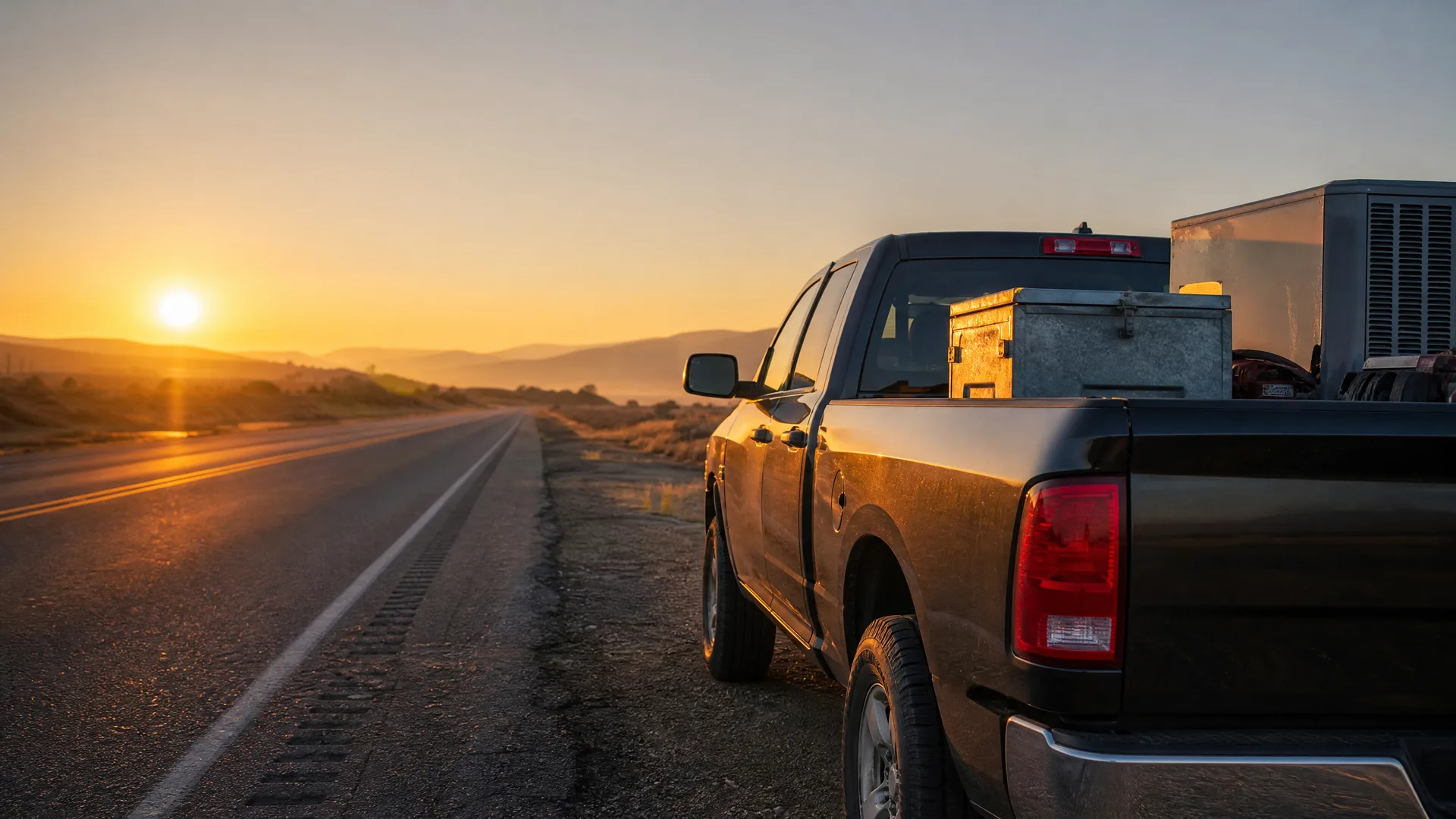
Does SR-22 Cover Other Drivers Borrowing Your Car?
Find Affordable Coverage After SR-22SR-22 Filing Attaches to Your License, Not Your Vehicle
Your SR-22 is a certificate of financial responsibility filed with your state DMV by your insurance carrier. It verifies you carry at least state minimum liability coverage. The filing is tied to your driver license and your policy, not to a specific vehicle.
When someone else borrows your car, your liability coverage responds if they cause an accident — the same way it would on a standard policy. The SR-22 filing itself does not extend to other drivers. It exists to monitor your compliance, not theirs.
This structure means your coverage protections follow the vehicle under permissive use rules. Your SR-22 obligation remains yours alone. The borrower's own SR-22 status is unaffected by driving your car.
Your Liability Coverage Responds Under Permissive Use
Standard auto insurance policies include permissive use coverage. If you give someone permission to drive your car and they cause an accident, your liability coverage pays first — up to your policy limits.
SR-22 policies work the same way. Most carriers require you to carry at least state minimum liability to maintain the filing. When a permissive driver causes an accident, your liability limits apply. If damages exceed your limits, the at-fault driver's own insurance may respond as secondary coverage.
Your rate can increase after a permissive use claim even though you were not driving. The claim appears on your policy's loss history. Carriers view permissive use claims as indirect risk signals — they suggest you lend your vehicle to higher-risk drivers.


The Borrower's SR-22 Requirement Does Not Transfer
If the person borrowing your car has their own SR-22 requirement, driving your vehicle does not satisfy their filing obligation. SR-22 requirements mandate the driver carry a policy in their own name with continuous coverage.
Borrowing someone else's car does not count as maintaining their own policy. If they are required to file SR-22 and drive your car while uninsured under their own name, they remain out of compliance. A traffic stop or accident could trigger a license suspension for failing to maintain required coverage.
The reverse is also true: if someone without an SR-22 requirement borrows your car, they do not become subject to your filing. Your SR-22 monitors your compliance only.
Your SR-22 Is Over. Your Rate Should Drop Too
Find Affordable Coverage After SR-22Excluded Drivers and Household Members Change the Rules
Permissive use coverage applies to occasional drivers. If someone in your household drives your car regularly, most carriers require you to list them as a rated driver or formally exclude them.
An excluded driver has no coverage under your policy — even for liability. If an excluded driver borrows your car and causes an accident, your carrier may deny the claim entirely. You could be held personally liable for damages.
If you live with someone who has a suspended license, DUI, or their own SR-22 requirement, many carriers will require a named driver exclusion to issue or maintain your policy. Verify exclusion status in writing before lending your vehicle to anyone in your household.
Non-Owner SR-22 Policies Cover the Driver, Not Borrowed Vehicles
Drivers who do not own a vehicle but need SR-22 filing can obtain a non-owner SR-22 policy. This policy provides liability coverage when the driver operates a borrowed or rented vehicle.
Non-owner policies pay as secondary coverage. If the driver borrows your car and causes an accident, your liability coverage pays first up to your limits. The non-owner policy responds only after your limits are exhausted.
If someone borrowing your car carries a non-owner SR-22 policy, that policy satisfies their state filing requirement. It does not affect your coverage or your own SR-22 status. The two filings operate independently.
Rate Impact After a Permissive Use Claim
A claim filed under your policy after a permissive use accident increases your premium at renewal. Carriers treat permissive use claims as chargeable events even when you were not driving.
For drivers already carrying SR-22, a new claim can trigger a substantial rate increase. Non-standard carriers typically apply surcharges of 20–40% after an at-fault claim. The surcharge remains for three to five years depending on state regulations and carrier underwriting rules.
Some carriers may non-renew your policy after a permissive use claim if your total loss history crosses their retention threshold. Non-renewal while under an SR-22 filing requirement forces you into a higher-cost carrier tier with fewer coverage options.
Frequently Asked Questions
If someone crashes my car, does it affect my SR-22 filing?
Yes. A claim filed under your policy affects your rate and loss history even when someone else was driving. Your SR-22 filing remains active as long as you maintain continuous coverage, but your premium will increase at renewal. Carriers view permissive use claims as indicators of indirect risk.
Can I let someone with a suspended license borrow my car if I have SR-22?
Legally, no — allowing an unlicensed or suspended driver to operate your vehicle violates most state laws and your policy terms. If they cause an accident, your carrier may deny the claim entirely. You could face personal liability for damages and potential criminal charges depending on state law.
Does my SR-22 filing cover rental cars?
Your SR-22 filing verifies you carry liability coverage on your own policy. Most personal auto policies extend liability coverage to rental cars you drive. The SR-22 filing itself does not provide coverage — it certifies your underlying policy meets state minimum requirements. Verify rental coverage with your carrier before travel.
What happens if someone without insurance borrows my car and crashes?
Your liability coverage responds first under permissive use rules. If damages exceed your policy limits, the at-fault driver may be personally liable for the excess. Their lack of insurance does not eliminate their financial responsibility. Your rate will increase at renewal regardless of their insurance status.
Related Articles

Renting a Car With SR-22: What Insurers Actually Require
5/18/2026

SR-22 on Multi-Car Policy: Filing Covers Driver, Not Cars
5/18/2026
SR-22 for Leased Vehicles: Lessor Requirements Explained
5/18/2026

Does SR-22 Cover My Teen Driver? Policy Rules Explained
5/18/2026
Do I Need SR-22 If I Only Drive a Company Vehicle?
5/18/2026

Owner vs Non-Owner SR-22: Cost & Coverage Breakdown
5/18/2026